
“This post contains affiliate links, and I will be compensated if you make a purchase after clicking on my links.”
Spaying your dog is a significant step in responsible pet ownership. However, the journey doesn’t end when you bring your furry friend home from the vet.
At DogingtonPost, we understand that proper after care for spayed dogs is crucial for a smooth recovery. This guide will walk you through essential post-surgery care steps, ensuring your pup heals quickly and comfortably.
How to Care for Your Dog Right After Surgery
Creating a Safe Recovery Space
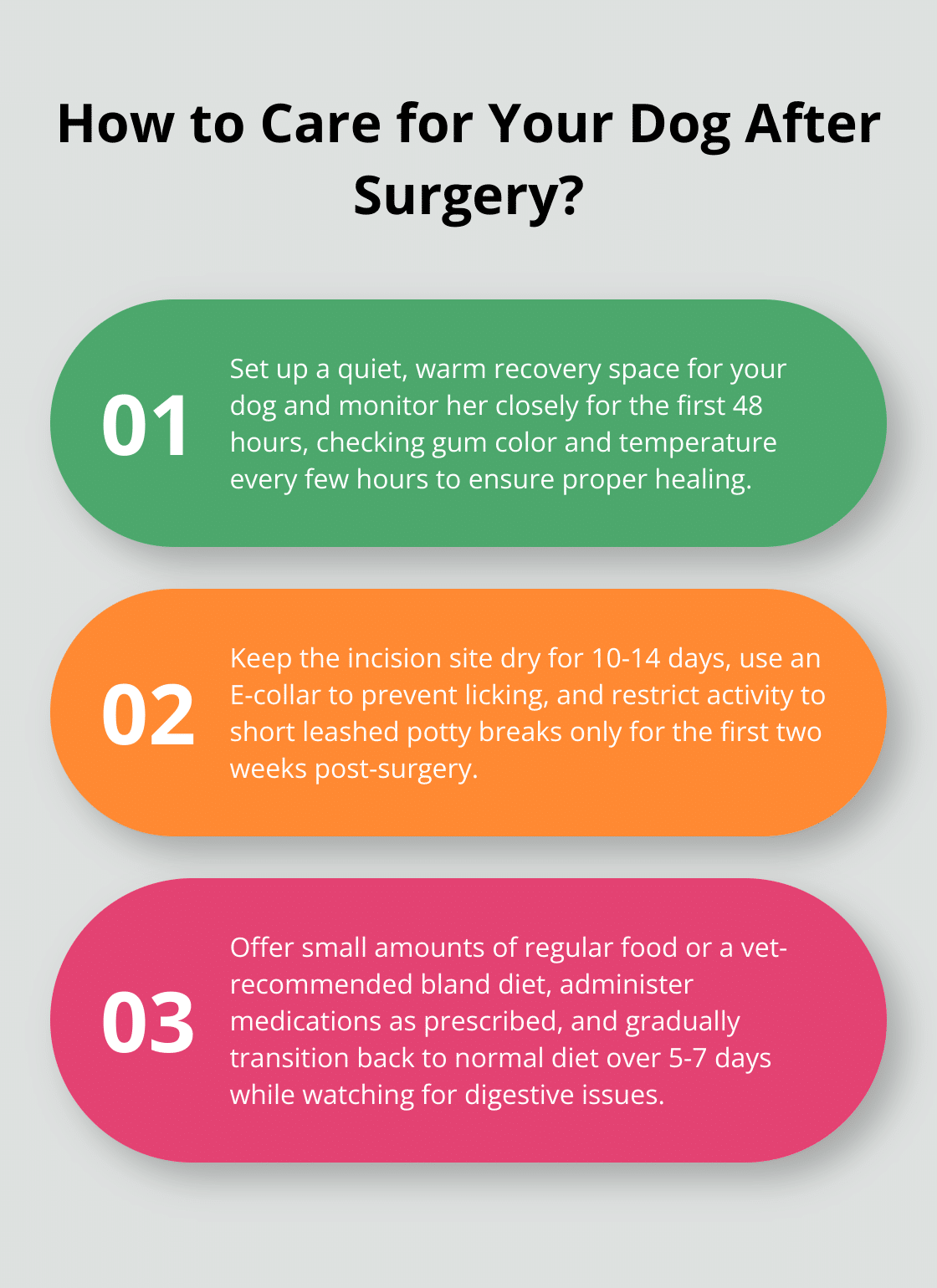
When you bring your newly spayed dog home, the first 24 to 48 hours are critical for her recovery. Set up a cozy bed in a warm, draft-free area away from other pets and household traffic. This quiet space will minimize stress and promote healing.
Monitoring Your Dog’s Recovery
Keep a close eye on your dog’s behavior. It’s normal for her to appear groggy or disoriented from anesthesia. However, contact your vet immediately if she shows signs of vomiting, as this is not normal after surgery and could be due to pain. Also, watch for extreme lethargy or difficulty breathing, which could indicate complications.

Check her gums every few hours. They should be pink, not pale or white. Pale gums might signal internal bleeding (a rare but serious complication). Also, monitor her temperature. A slight fever is common, but call your vet if it persists or rises above 103°F (39.4°C).
Managing Pain and Discomfort
Your vet will likely prescribe pain medication. Follow the dosage instructions carefully. Never give human painkillers to your dog – they can be toxic. Some vets recommend using an ice pack (wrapped in a towel) on the incision area for short periods to reduce swelling and discomfort.
Encourage your dog to rest. Limit her movement to short, leashed potty breaks. Carry small dogs if necessary to prevent strain on the incision. If your dog seems restless, try gentle petting or soft music to help her relax.
Feeding and Hydration
Appetite may be reduced initially. Offer small amounts of her regular food or a bland diet of boiled chicken and rice (as recommended by your vet). Always provide fresh water, but don’t let her drink excessively at once to avoid nausea.
Preventing Incision Interference
An Elizabethan collar (E-collar) is essential to prevent licking or chewing the incision. Cones are often needed after surgery, like a spay or neuter. While many dogs dislike these “cones,” they’re vital for proper healing. Some alternatives include inflatable collars or specially designed post-surgery bodysuits, but always check with your vet before using alternatives.
As your dog progresses through these initial stages of recovery, you’ll need to focus on proper wound care and activity restrictions. Let’s explore these important aspects of post-surgery care in the next section.
How to Care for Your Dog’s Incision
Inspecting the Incision Site
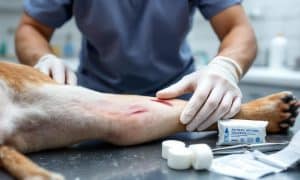
Check your dog’s incision twice daily. Look for signs of proper healing, such as slight redness and swelling (normal in the first few days). However, excessive swelling, discharge, or a foul odor may indicate infection. Contact your veterinarian immediately if you notice these symptoms.

The American Veterinary Medical Association advises against direct cleaning of the incision unless instructed by your vet. If cleaning becomes necessary, use a soft cloth dampened with warm water to gently dab the area. Avoid hydrogen peroxide or alcohol, as these can damage healing tissue.
Keeping the Incision Dry
Keep the incision site dry for at least 10-14 days after surgery. This means no baths, swimming, or letting your dog play in wet grass. When taking your dog outside for potty breaks, use an umbrella or raincoat if it’s raining to protect the incision area.
Preventing Licking and Chewing
Dogs instinctively want to lick their wounds, but this can introduce bacteria and delay healing. The Elizabethian collar (E-collar) is your best defense against this behavior. Ensure your dog wears it continuously, even during sleep, for at least 7-10 days or as long as your vet recommends.
Some dogs find E-collars stressful. If this is the case for your pup, ask your vet about alternatives like soft collars or post-surgical bodysuits. These can provide protection while being more comfortable for some dogs.
Limiting Physical Activity
Excessive movement can strain the incision and slow healing. For the first two weeks post-surgery, restrict your dog’s activity to short, leashed walks for bathroom breaks only. No running, jumping, or playing with other pets.
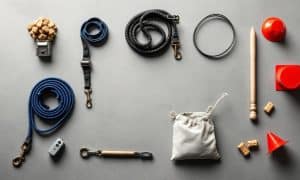
For small dogs, carry them up and down stairs to prevent stretching of the incision site. For larger dogs, use a towel as a sling to support their abdomen when navigating stairs if necessary.
As your dog starts feeling better, she may want to resume normal activities. It’s important to maintain restrictions even if she seems ready for more. Increase activity levels gradually only after getting clearance from your veterinarian (typically around 10-14 days post-surgery).
Now that we’ve covered incision care and activity restrictions, let’s move on to managing your dog’s nutrition and medication during this important healing period.
How to Feed and Medicate Your Recovering Dog
Adjust Your Dog’s Diet for Recovery
After spay surgery, your dog might not want to eat for the first 24 hours. This is normal. Offer small amounts of her regular food or a bland diet of boiled chicken and rice (if your vet recommends it). Increase portion sizes slowly as your dog’s appetite returns.
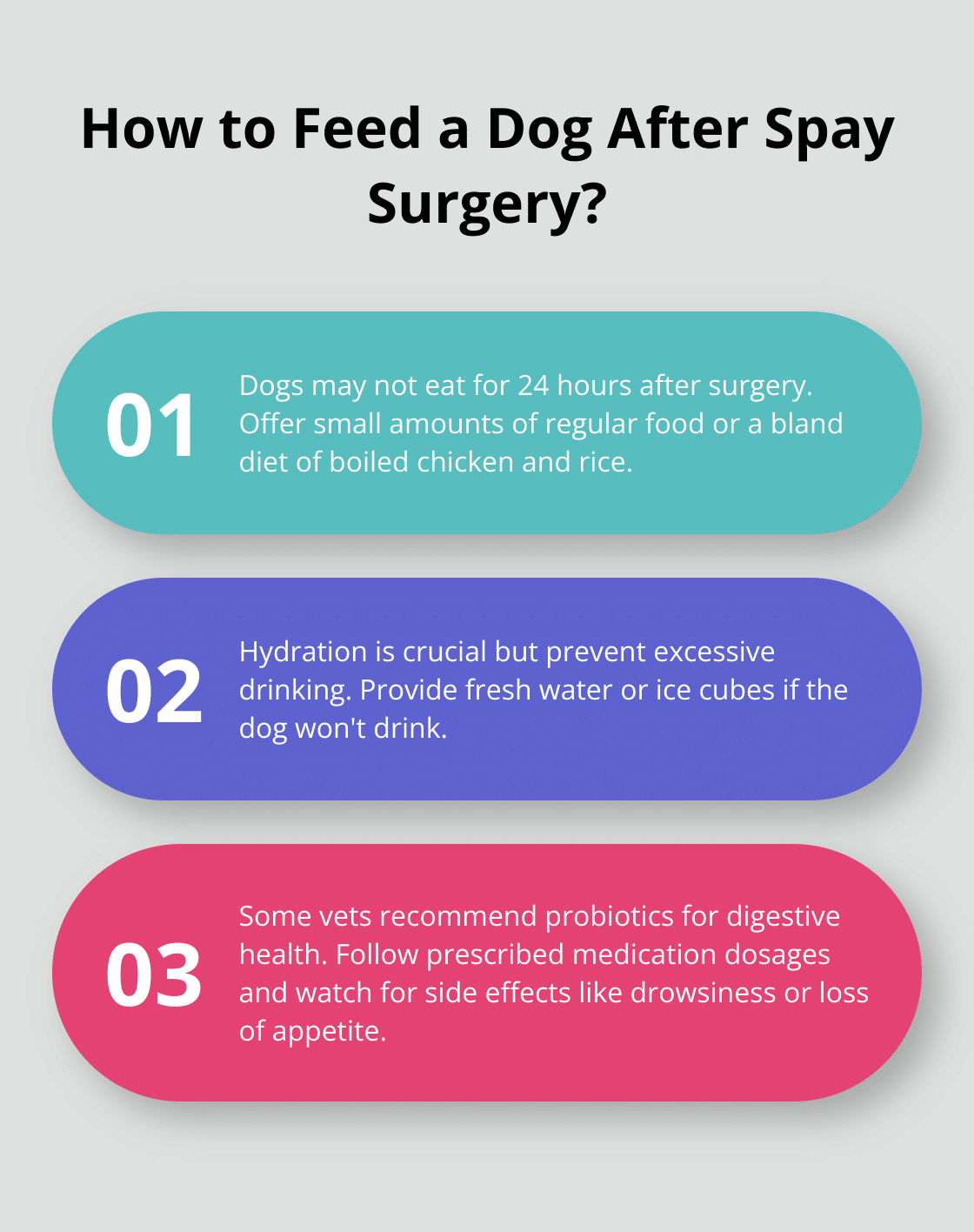
Hydration is important. Always provide fresh water, but don’t allow excessive drinking at once to prevent nausea. If your dog won’t drink, try offering ice cubes to lick.
Some veterinarians suggest adding a probiotic to support digestive health during recovery. Ask your vet if this is right for your dog.
Administer Medications Safely
Your vet will likely prescribe pain medication and possibly antibiotics. Follow the dosage instructions carefully. Never change the dosage without consulting your vet first.
If your dog resists taking pills, try hiding them in a small piece of cheese or deli meat. Always make sure the entire dose is consumed.
For liquid medications, use the provided syringe or dropper for accurate dosing. Gently squirt the medication into the side of your dog’s mouth, not directly down the throat.
Watch for Medication Side Effects
While medications help recovery, they can sometimes cause side effects. Common ones include:
- Drowsiness or lethargy
- Loss of appetite
- Mild gastrointestinal upset
These are usually temporary. However, contact your vet immediately if you notice severe vomiting, diarrhea, or any unusual behavior.
Some dogs may experience constipation due to pain medications. Consult your vet if your dog hasn’t had a bowel movement in 48-72 hours post-surgery.
Monitor your dog closely during medication administration. Seek emergency veterinary care if she shows signs of an allergic reaction (like facial swelling or difficulty breathing).
Consider Nutritional Supplements
Your veterinarian might recommend specific supplements to support your dog’s recovery. These could include omega-3 fatty acids for inflammation reduction or glucosamine for joint health (especially in older dogs).
Always consult with your vet before adding any supplements to your dog’s diet. They can advise on the appropriate types and dosages for your dog’s specific needs.
Transition Back to Normal Diet
As your dog recovers, you’ll need to transition back to her regular diet. Start by mixing a small amount of her regular food with the recovery diet. Gradually increase the proportion of regular food over 5-7 days.
Watch for any signs of digestive upset during this transition. If you notice soft stools or decreased appetite, slow down the transition process.
Final Thoughts
After care for spayed dogs requires vigilance and dedication. You must create a quiet space for healing, monitor for complications, and follow your vet’s instructions for pain management and incision care. Your dog’s recovery depends on restricted activity, prevention of incision licking, and appropriate dietary adjustments during this period.
Spaying offers significant long-term benefits for your dog. It prevents unwanted litters, reduces cancer risks, and eliminates the possibility of pyometra (a life-threatening uterine infection). Spayed dogs often live longer and may exhibit fewer hormone-related behavioral issues.
We at DogingtonPost provide up-to-date information on dog care, including post-surgery recovery. Our platform offers resources to help you navigate every aspect of dog ownership. Follow these guidelines and stay informed to ensure the best care for your furry friend, setting the stage for many happy, healthy years together.