

“This post contains affiliate links, and I will be compensated if you make a purchase after clicking on my links.”
Bringing a new furry friend into your life is exciting, but it comes with responsibilities. At DogingtonPost, we understand that learning how to take care of a dog can be overwhelming for new owners.
That’s why we’ve put together this comprehensive guide to help you navigate the essentials of dog care. From proper nutrition to health maintenance, we’ll cover everything you need to know to ensure your pup thrives in their new home.
What Should Dogs Eat?
Selecting the Right Dog Food
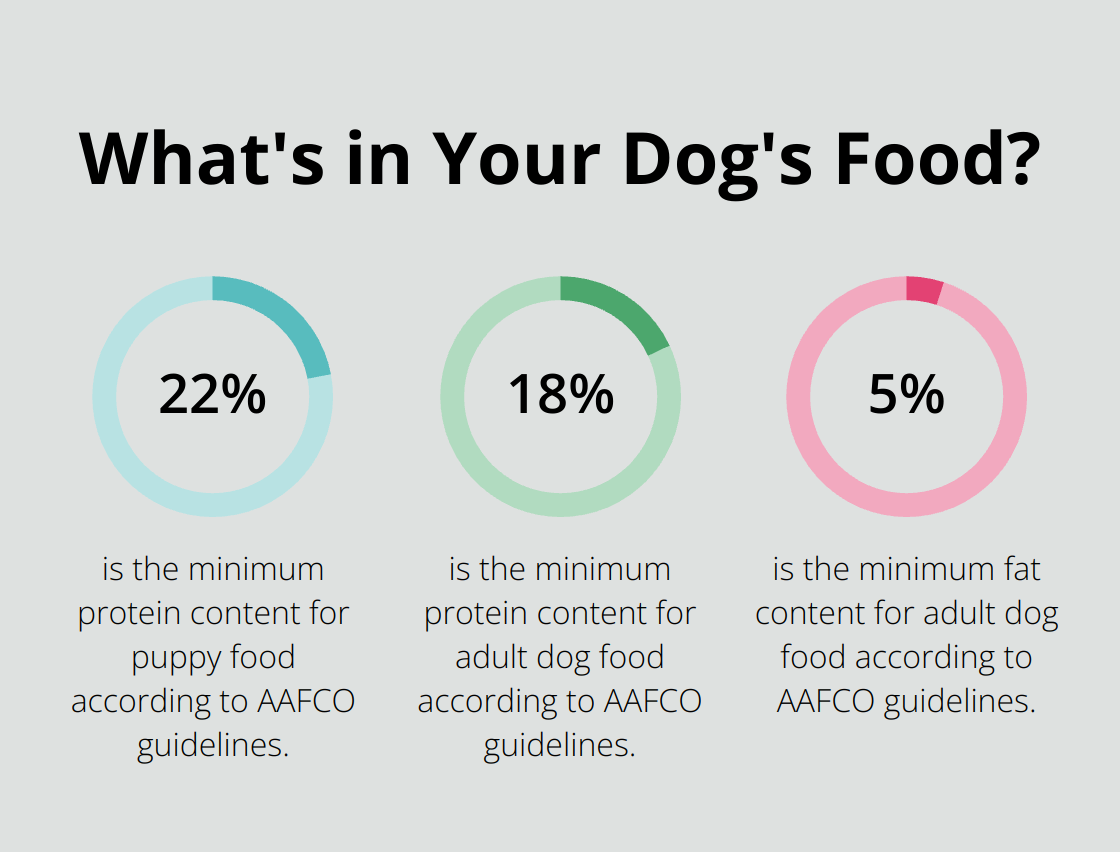
Proper nutrition forms the foundation of your dog’s health. A complete and balanced diet includes proteins, fats, carbohydrates, vitamins, and minerals. Water is also essential to life and is needed daily. High-quality dog food should list real meat as the first ingredient. Avoid foods with artificial preservatives, colors, or flavors. The Association of American Feed Control Officials (AAFCO) sets guidelines for adult dog food to contain at least 18% protein and 5% fat. Puppies require more nutrients (at least 22% protein and 8% fat).
Creating a Feeding Routine
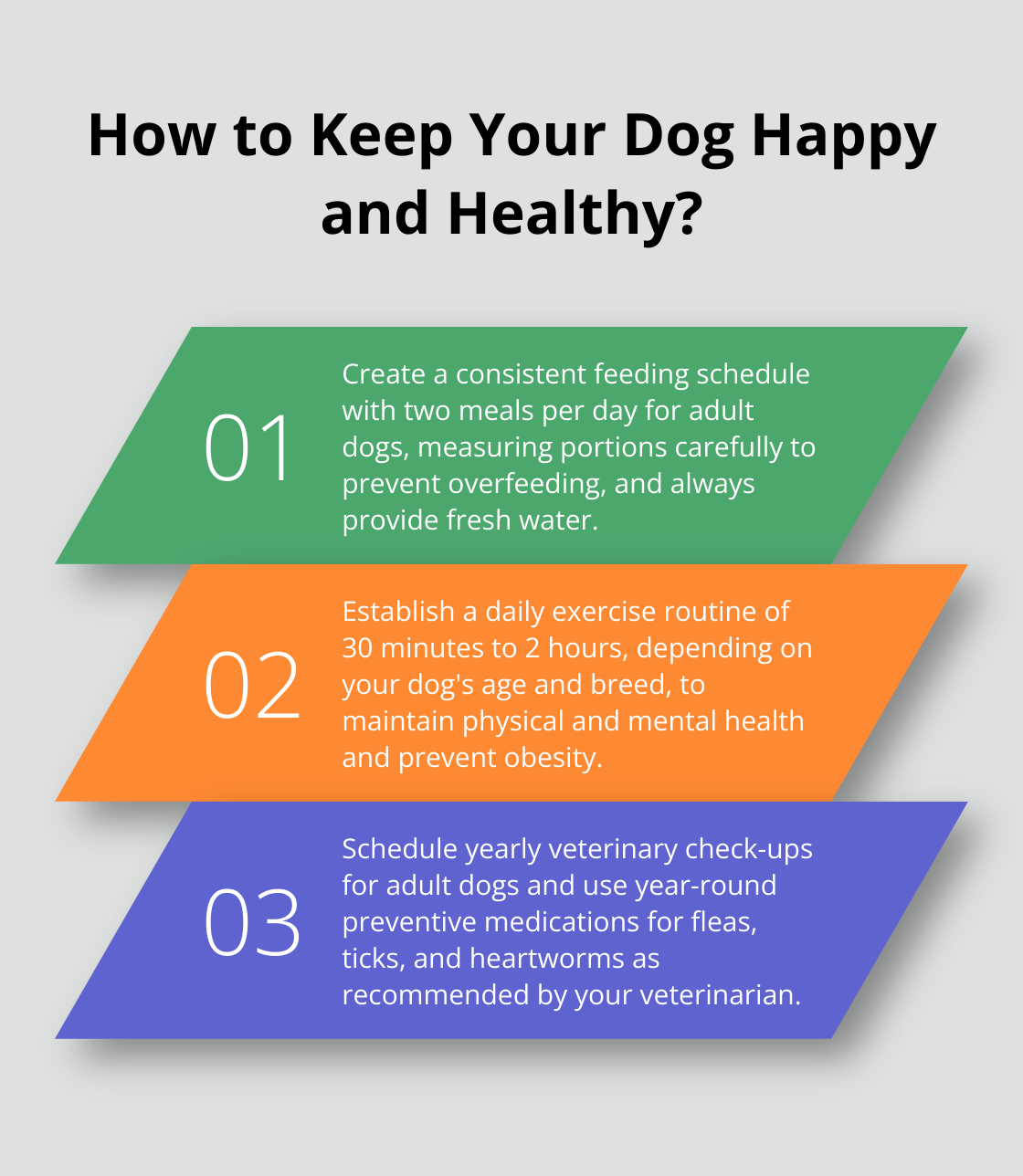
Dogs thrive on consistency in their meals. Establish a regular feeding schedule, typically twice a day for adult dogs. Puppies under six months old may need three to four smaller meals daily. Measure portions carefully to prevent overfeeding.
Hydration is Key
Fresh, clean water should always be available for your dog. Change the water at least once daily and clean the bowl regularly to prevent bacterial growth. On average, dogs need about an ounce of water per pound of body weight daily (this can vary based on activity level and diet).
Foods to Avoid
Many human foods can harm dogs. Chocolate, grapes, raisins, onions, garlic, and xylitol (an artificial sweetener) are toxic to dogs. Cooked bones can splinter and cause internal injuries.
Tailoring Diet to Your Dog’s Needs
Every dog has unique nutritional requirements. Consult with your veterinarian to create a diet plan that suits your dog’s specific needs, considering factors like age, breed, size, and any health conditions. A proper diet sets the stage for a happy, healthy canine companion.
As we move from nutrition to physical care, it’s important to understand that a balanced diet goes hand in hand with regular exercise and grooming. Let’s explore how to keep your dog physically fit and well-groomed in the next section.
How to Keep Your Dog Fit and Healthy
Exercise and physical care play a vital role in your dog’s overall well-being. A healthy dog is a happy dog. Let’s explore how to keep your furry friend in top shape.
Daily Exercise for Dogs
Dogs need regular exercise to maintain their physical and mental health. The amount of exercise varies depending on your dog’s age, breed, and health condition. For most adult dogs, try to provide 30 minutes to 2 hours of activity daily. This can include walks, runs, or playtime in the yard.

A study by the Association for Pet Obesity Prevention found that 59% of dogs in the United States are overweight or obese. Regular exercise helps prevent obesity and related health issues. It also reduces destructive behaviors caused by boredom or excess energy.
Grooming for Health and Bonding
Grooming isn’t just about keeping your dog looking good; it’s essential for their health. Brush your dog’s coat at least 2-3 times a week to remove loose fur, prevent matting, and distribute natural oils. The frequency may increase for long-haired breeds.
Bathing frequency depends on your dog’s lifestyle and coat type. Most dogs need a bath every 2-3 months, but active or outdoor dogs might need more frequent baths. Use dog-specific shampoos to maintain the pH balance of their skin.
Nail Care and Dental Hygiene
Overgrown nails can cause discomfort and affect your dog’s gait. Trim your dog’s nails every 3-4 weeks or when you hear them clicking on the floor. If you’re unsure about nail trimming, consult a professional groomer or veterinarian.
Dental care is often overlooked but important for your dog’s health. The American Veterinary Dental College reports that most dogs show signs of periodontal disease by age three. Brush your dog’s teeth daily using dog-specific toothpaste. Dental chews and toys can also help maintain oral hygiene.
Maintaining a Healthy Weight
Keeping your dog at a healthy weight is essential for their long-term health. Obesity in dogs can lead to joint problems, diabetes, and reduced lifespan. Monitor your dog’s weight regularly and adjust their food intake and exercise as needed.
The ideal weight varies by breed and size, so consult your veterinarian to determine the right weight for your dog. As a general rule, you should be able to feel your dog’s ribs without seeing them (this is a good indicator of a healthy weight).
Now that we’ve covered physical care, let’s move on to another critical aspect of dog ownership: health and veterinary care. Regular check-ups and preventive measures can help ensure your dog stays healthy and happy for years to come.
Keeping Your Dog Healthy
Regular Veterinary Check-ups
Regular veterinary checkups can help identify issues early on when treatment is more likely to be successful. These check-ups allow early detection of potential health issues and ensure your dog stays up-to-date on vaccinations. The American Veterinary Medical Association recommends at least one yearly exam for adult dogs and more frequent visits for puppies and seniors.

During these visits, your vet will perform a thorough physical examination, update vaccinations, and may recommend blood tests or other screenings based on your dog’s age and health status. These preventive measures can save you money in the long run (by catching health issues before they become serious and expensive to treat).
Parasite Prevention
Fleas, ticks, and heartworms pose significant health risks to dogs. To protect your dog, use year-round preventive medications as recommended by your veterinarian.
For flea and tick prevention, options include topical treatments, oral medications, and collars. Heartworm prevention typically involves monthly oral medication or bi-annual injections. Your vet can help you choose the most suitable options based on your dog’s lifestyle and risk factors.
Spaying and Neutering
Recent research reveals that for some dog breeds, neutering may be associated with increased risks of debilitating joint disorders and some cancers. The ideal age for spaying or neutering varies depending on the breed and size of your dog. Consult with your veterinarian to determine the best approach for your pet.
Recognizing Health Issues
As a dog owner, you must identify potential health problems. Pay attention to changes in your dog’s behavior, appetite, water intake, and bathroom habits. Some signs that warrant immediate veterinary attention include:
- Vomiting or diarrhea lasting more than 24 hours
- Difficulty breathing or excessive coughing
- Sudden changes in energy levels or mobility
- Loss of appetite for more than two days
- Excessive thirst or urination
- Visible pain or discomfort
Stay vigilant and address health concerns promptly to ensure your dog receives timely care and maintains their overall well-being.
Every dog is unique, and their health needs may vary. Work closely with your veterinarian to develop a tailored health care plan that addresses your dog’s specific requirements. With proper care and attention, you can help your canine companion lead a healthy, active life for years to come.
Final Thoughts
Taking care of a dog requires dedication, love, and attention to detail. You must provide proper nutrition, regular exercise, consistent grooming, and veterinary care to ensure your pet’s well-being. Patience and consistency will help you establish routines and understand your furry friend’s specific needs as you learn how to take care of a dog.
Dog ownership brings numerous benefits, including unconditional love, companionship, and improved physical and mental health. Dogs encourage us to be more active, reduce stress, and offer a sense of purpose. Your commitment to your dog’s care will result in a relationship that brings joy and fulfillment for years to come.
We at DogingtonPost support you throughout your dog ownership journey. Our platform offers information on dog care, health, and lifestyle to help you provide the best possible life for your furry friend. We guide you every step of the way (from the latest news to expert advice).