
“This post contains affiliate links, and I will be compensated if you make a purchase after clicking on my links.”
At DogingtonPost, we understand the importance of proper nutrition for dogs with kidney issues.
Choosing the right dog food for renal health can make a significant difference in managing kidney disease and improving your pet’s quality of life.
In this post, we’ll explore vet-approved options and essential nutrients to look for when selecting kidney-friendly dog food.
What Causes Kidney Disease in Dogs?
Common Causes of Canine Kidney Disease
Kidney disease in dogs stems from various factors. Age plays a significant role, with older dogs facing higher risks. Certain breeds (e.g., Cocker Spaniels and German Shepherds) have a genetic predisposition to kidney issues. Chronic conditions like high blood pressure and diabetes can damage the kidneys over time.
Toxin exposure represents another major cause. Antifreeze, specific medications, and some human foods (grapes and raisins) can harm canine kidneys. Infections, particularly those affecting the urinary tract, can spread to the kidneys if left untreated.
Early Signs to Watch For
Early detection of kidney disease can significantly impact treatment outcomes. Common symptoms include:
- Increased thirst and urination
- Lethargy and decreased appetite
- Weight loss
- Vomiting or diarrhea
- Bad breath with a chemical odor

If you notice these signs, consult your veterinarian promptly. Blood and urine tests can lead to more effective management of the condition.
Nutrition’s Impact on Kidney Health
Proper nutrition plays a vital role in managing kidney disease. A study in the Journal of Veterinary Internal Medicine found that a diet used for dogs with renal failure was superior to an adult maintenance food.
Key dietary considerations include:
- Reduced phosphorus: Limiting phosphorus intake can slow disease progression.
- Controlled protein: High-quality, easily digestible protein helps maintain muscle mass without overtaxing the kidneys.
- Increased omega-3 fatty acids: These can reduce inflammation and support kidney function.
Tailoring Diet to Individual Needs
Every dog is unique, and dietary needs may vary based on the stage of kidney disease and other health factors. Always consult with your veterinarian before making significant changes to your dog’s diet.
The next section will explore specific nutrients that are essential for supporting canine kidney health, providing you with valuable insights to make informed decisions about your dog’s nutrition.
Key Nutrients for Dogs with Kidney Issues
Phosphorus: The Less, The Better
Phosphorus reduction stands as a primary focus in kidney-friendly diets. High phosphorus levels can speed up kidney damage. Veterinary nutritionists often suggest keeping phosphorus levels between 0.3% to 0.6% on a dry matter basis for dogs with kidney disease.
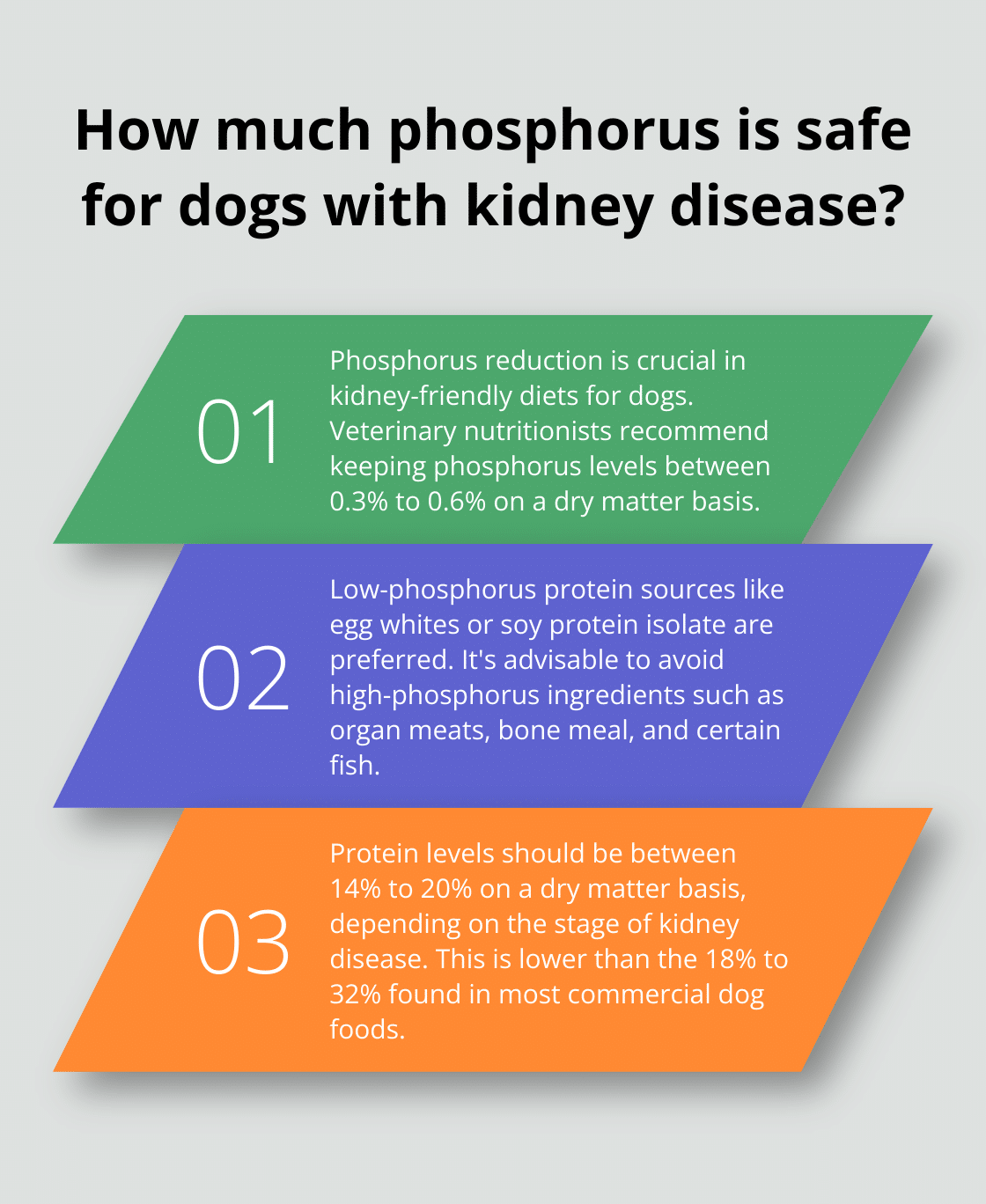
Foods that use low-phosphorus protein sources like egg whites or soy protein isolate work best. It’s wise to avoid ingredients high in phosphorus such as organ meats, bone meal, and certain fish.
Protein: Focus on Quality
Extremely low protein diets don’t always benefit dogs with kidney issues. The goal is to provide high-quality, easily digestible protein that meets the dog’s needs without overworking the kidneys.
Try to find foods with protein levels between 14% to 20% on a dry matter basis, depending on the stage of kidney disease. This is lower than the 18% to 32% found in most commercial dog foods. High-quality protein sources (e.g., egg whites, whitefish, and certain plant-based proteins) can prove beneficial.
Omega-3 Fatty Acids: Natural Inflammation Fighters
Omega-3 fatty acids, particularly EPA and DHA, show promise in supporting kidney function. There is growing interest in the impact of omega-3 fatty acids on the health of dogs.
Foods with fish oil or algae oil serve as good sources of omega-3s. The ideal ratio of omega-6 to omega-3 fatty acids should fall between 5:1 to 10:1 for dogs with kidney issues.
B Vitamins: Replacing What’s Lost
Dogs with kidney disease often lose B vitamins through increased urination. B-complex vitamin supplementation can help maintain overall health and appetite. Foods fortified with B vitamins or a separate B-complex supplement (as recommended by your veterinarian) can address this need.
While these nutrients play a key role, each dog’s needs remain unique. Regular check-ups and blood work help fine-tune the dietary approach. Now, let’s explore specific vet-recommended food options that incorporate these key nutrients for optimal kidney health.
Top Dog Foods for Kidney Health
Hill’s Prescription Diet k/d Kidney Care
Hill’s k/d tops the list of veterinary-recommended options for dogs with kidney problems. This food contains reduced phosphorus and sodium levels, which decreases the workload on the kidneys. It also includes high levels of omega-3 fatty acids from fish oil, which support kidney function and reduce inflammation.

Hill’s offers this food in both dry and wet varieties, providing flexibility in feeding.
Royal Canin Veterinary Diet Renal Support
Royal Canin provides a range of renal support diets, each addressing different aspects of kidney care. Their formulas feature controlled levels of high-quality proteins to reduce kidney workload while maintaining muscle mass. The phosphorus content typically ranges from 0.3% to 0.55% on a dry matter basis, which aligns with recommendations for kidney disease management.
Royal Canin’s kidney diets include EPA and DHA from fish oil at levels shown to help slow chronic kidney disease progression. They also offer various textures and flavors to appeal to picky eaters (a common issue in dogs with kidney problems).
Purina Pro Plan Veterinary Diets NF Kidney Function
Purina’s NF Kidney Function diet stands out as another excellent option for dogs with renal issues. This food contains low sodium content to help manage blood pressure, a common concern in dogs with kidney disease. It also includes added B-complex vitamins to replace those lost through increased urination.
A unique aspect of Purina’s formula is the inclusion of medium-chain triglycerides. These provide an alternative energy source that dogs with decreased kidney function can metabolize more easily, which helps maintain body weight in dogs struggling with appetite issues.
Blue Buffalo Natural Veterinary Diet KS Kidney Support
Blue Buffalo’s KS Kidney Support diet distinguishes itself through its use of natural ingredients. It contains controlled levels of high-quality proteins from sources like deboned chicken and egg. The phosphorus content remains low at about 0.5% on a dry matter basis.
This diet includes L-carnitine, which can help maintain lean muscle mass – a critical factor for dogs with kidney disease. The food also contains a blend of antioxidants (including blueberries and cranberries), which may combat oxidative stress associated with kidney disease.
The Importance of Veterinary Guidance
While these foods come highly recommended by veterinarians, you should consult with your vet before making any dietary changes. They can determine the best option based on your dog’s specific condition, stage of kidney disease, and overall health status. Regular monitoring and adjustments to the diet plan are essential for effective kidney disease management in dogs.
Final Thoughts
The right dog food for renal health can significantly improve your pet’s quality of life. Vet-approved options offer tailored nutrition to support kidney function and overall well-being. Your veterinarian should assess your dog’s specific condition and recommend the most suitable food based on the stage of kidney disease.
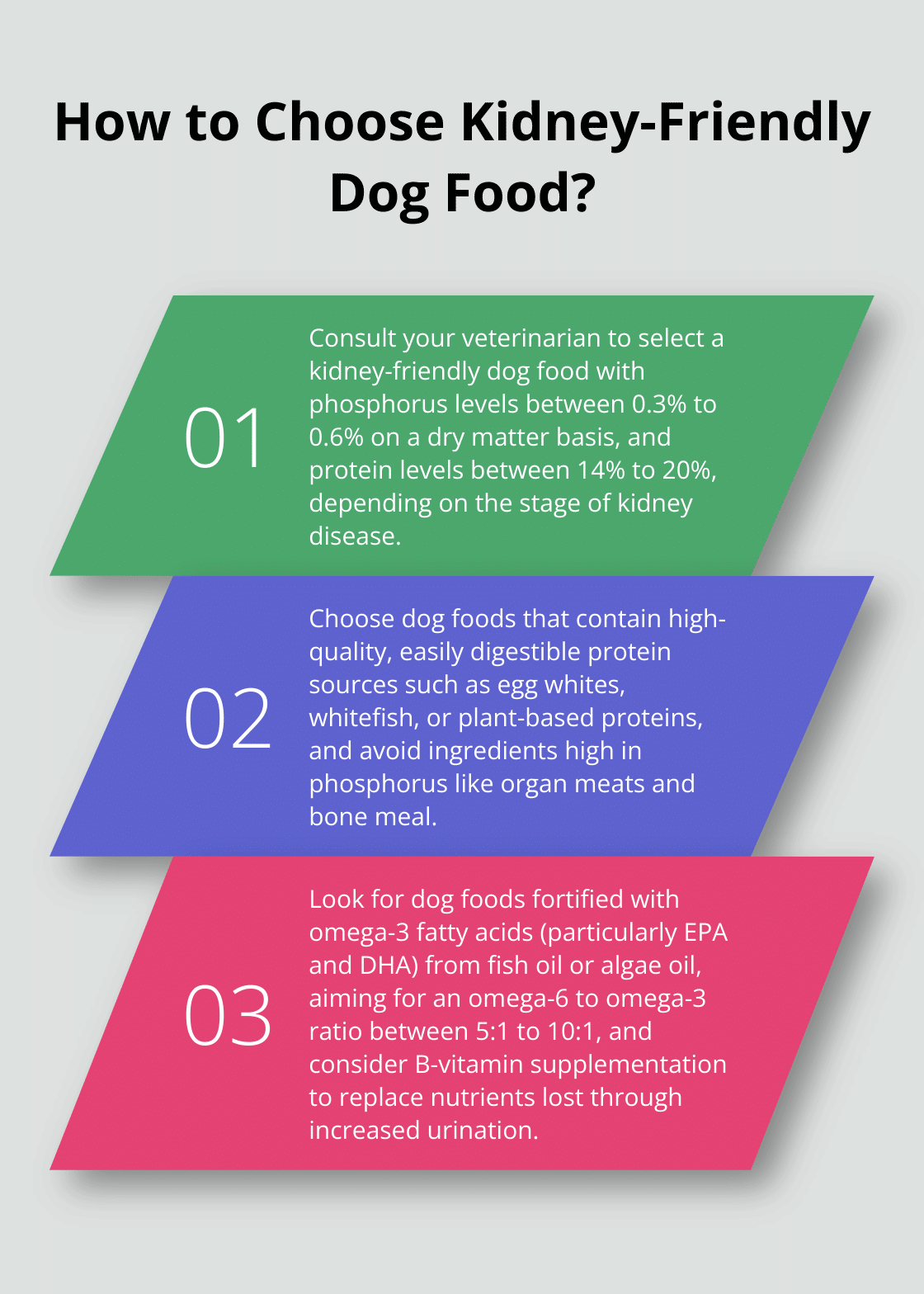
Proper nutrition can slow the progression of kidney disease and manage symptoms. Key nutrients include controlled protein, reduced phosphorus, and increased omega-3 fatty acids (which support kidney function). You should introduce dietary changes gradually to prevent digestive upset and observe your dog’s response carefully.
We at DogingtonPost provide the latest information to help you make informed decisions about your dog’s health. You can ensure that your furry companion receives the best possible care and nutrition for optimal kidney health. Work closely with your veterinarian to monitor and adjust your dog’s dietary plan as needed.