
“This post contains affiliate links, and I will be compensated if you make a purchase after clicking on my links.”
At DogingtonPost, we know that a dog’s urinary tract health is crucial for their overall well-being. Many pet owners overlook this aspect of canine health until problems arise.
Choosing the right urinary tract health dog food can make a significant difference in preventing and managing urinary issues. In this post, we’ll explore the best options to keep your furry friend’s urinary system in top shape.
What Causes Urinary Tract Issues in Dogs?
The Bacterial Culprit: UTIs
Urinary tract problems plague many dogs, ranging from mild discomfort to serious health risks. Bacterial infections top the list of culprits. E. coli causes up to 30% of canine UTIs. These bacteria invade the urinary system through the urethra and multiply in the bladder, leading to inflammation and discomfort.

Mineral Imbalances and Stone Formation
Bladder stones present another common urinary issue. These form when minerals in your dog’s urine become imbalanced. Struvite and calcium oxalate stones occur most frequently. The Minnesota Urolith Center reports that struvite stones account for about 44% of canine uroliths, while calcium oxalate stones make up approximately 40%.

Diet’s Influence on Urinary Health
Your dog’s diet significantly impacts urinary tract health. Foods high in certain minerals can promote stone formation, while low-moisture diets may result in concentrated urine, increasing the risk of infections and crystal formation. The American College of Veterinary Nutrition emphasizes dietary management as a key factor in preventing recurrent urinary issues.
Spotting the Signs
Early detection proves vital for effective treatment. Watch for these symptoms:
- Frequent urination or attempts to urinate
- Blood in the urine
- Straining or crying out while urinating
- Excessive licking of the genital area
- Urinating in unusual places
If you notice any of these signs, consult your veterinarian promptly. Professional medical advice ensures accurate diagnosis and treatment.
Preventive Strategies
While some factors contributing to urinary tract issues lie beyond our control, you can take steps to reduce the risk:
- Provide constant access to fresh water
- Schedule regular bathroom breaks
- Feed a balanced diet appropriate for your dog’s specific needs
- Consider adding wet food to increase moisture intake (this can help dilute urine and flush out the urinary system)
Understanding the causes and signs of urinary tract infections allows you to take proactive measures for your furry friend’s health. Now, let’s explore the key ingredients that support optimal urinary tract health in dogs.
What Ingredients Support Urinary Health?
Several key ingredients play a crucial role in maintaining your dog’s urinary tract health. Let’s examine these essential components that contribute to a healthy urinary system.

High-Quality Protein: The Foundation of Urinary Health
Protein selection stands as a cornerstone for maintaining urinary tract health in dogs. We recommend foods that list named animal proteins (such as chicken, lamb, or fish) as the first ingredient. These provide essential amino acids without overloading the system with excess minerals that can contribute to stone formation.
A study in the Journal of Nutrition revealed that dogs fed a diet with 18% protein had a lower risk of developing struvite crystals compared to those on a 34% protein diet. This finding highlights the importance of balanced protein content rather than excessive amounts.
Mineral Balance: Precision in Prevention
The levels of magnesium and phosphorus in dog food directly impact urinary health. The Association of American Feed Control Officials (AAFCO) recommends a minimum concentration of calcium and phosphorus of 0.5% and 0.4% respectively on a dry matter basis for adult dogs. Foods with controlled mineral content can help prevent the formation of struvite and calcium oxalate stones.
Moisture Content: Beyond the Water Bowl
While access to fresh water remains essential, the moisture content in food plays a significant role in urinary health. Wet food typically contains 75-80% moisture, compared to only 10-12% in dry kibble. Increased moisture intake helps dilute urine, reducing the concentration of minerals that can form crystals or stones.
A study demonstrated that increasing dietary sodium chloride can affect urinary calcium excretion in dogs and increase urine sodium concentration, potentially impacting urinary tract health.
Omega-3s and Antioxidants: The Anti-Inflammatory Allies
Ingredients rich in omega-3 fatty acids, such as fish oil, can help reduce inflammation in the urinary tract. Antioxidants like vitamin E and C support overall immune function, which proves vital in fighting off urinary tract infections.
The Journal of the American Veterinary Medical Association reported that dogs supplemented with omega-3 fatty acids showed improved urinary tract health and reduced inflammation markers.
When selecting a dog food for urinary health, these key ingredients deserve close attention. Every dog has unique needs, and what works for one may not work for another. Consultation with a veterinarian will determine the best dietary approach for your pet’s specific requirements.
Now that we’ve explored the essential ingredients for urinary health, let’s examine some top dog food brands that incorporate these elements effectively.
Which Dog Foods Are Best for Urinary Tract Health?
We have researched and analyzed various dog food brands to help you choose the best options for your furry friend’s urinary tract health. Here’s our breakdown of top-performing products:
Royal Canin Urinary SO
Royal Canin Urinary SO stands out for its carefully balanced formula. This food promotes a urinary environment unfavorable to both struvite and calcium oxalate crystal formation. It achieves this through:
- Controlled mineral levels, particularly low magnesium
- Relative Super Saturation (RSS) methodology to reduce crystal formation risk
- Increased sodium content to encourage water consumption and urination
A study found that dogs showed clinical improvement with statistical significance after 14 days of treatment for all variables.
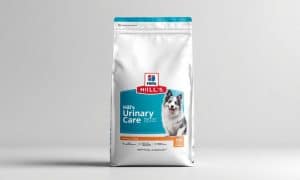
Hill’s Prescription Diet c/d Multicare
Hill’s c/d Multicare takes a comprehensive approach to urinary health:
- Controlled levels of magnesium, calcium, and phosphorus
- Enriched with antioxidants and omega-3 fatty acids for overall health
- Available in both dry and wet formulations for flexibility
This food has shown impressive results. Hill’s reports that c/d Multicare Stress can reduce the rate of recurring FIC signs by 89%.
Purina Pro Plan Veterinary Diets UR Urinary
Purina’s offering focuses on creating an optimal urinary pH:
- Formulated to produce a urine pH between 6.2-6.4
- High-quality protein sources to support overall health
- Enhanced with omega-3 fatty acids for anti-inflammatory benefits
In a clinical study, Purina Pro Plan UR effectively dissolved struvite stones in 50% of cases within two weeks and 100% within five weeks.
Blue Buffalo Natural Veterinary Diet W+U
Blue Buffalo’s W+U formula stands out for its natural approach:
- Uses real chicken as the first ingredient
- Includes cranberries known for urinary tract support
- Balanced omega-3 and omega-6 fatty acids for skin and coat health
While specific efficacy data isn’t publicly available, many veterinarians report positive outcomes with this food for dogs with urinary issues.
These foods are prescription diets. Always consult your veterinarian before making dietary changes, especially for dogs with existing health conditions. Your vet can provide personalized recommendations based on your dog’s specific needs and health status.
These foods can significantly improve urinary tract health (as part of a comprehensive care plan). Try to ensure your dog always has access to fresh water, maintain a consistent feeding schedule, and provide regular opportunities for bathroom breaks.
Final Thoughts
Selecting the right urinary tract health dog food requires careful consideration and professional guidance. Your veterinarian can provide tailored recommendations based on your dog’s specific needs, age, and breed. A gradual transition to new food over 7-10 days helps prevent digestive issues and allows your dog to adjust to new flavors and textures.
Diet is just one aspect of maintaining urinary tract health in dogs. Regular exercise, access to fresh water, and consistent bathroom breaks all contribute to your dog’s overall well-being. We at DogingtonPost offer a wealth of resources on canine health, nutrition, and lifestyle to support you in making informed decisions about your dog’s care.
Prioritizing your dog’s urinary health through proper nutrition and care enhances their quality of life. The right approach (including the selection of appropriate urinary tract health dog food) helps ensure your furry friend stays healthy and happy for years to come. Our platform provides the latest news and expert advice to help you provide the best possible life for your four-legged family member.