
“This post contains affiliate links, and I will be compensated if you make a purchase after clicking on my links.”
At DogingtonPost, we know that understanding common dog health issues is essential for every pet owner.
Our furry friends can’t tell us when they’re feeling under the weather, so it’s up to us to spot the signs and take action.
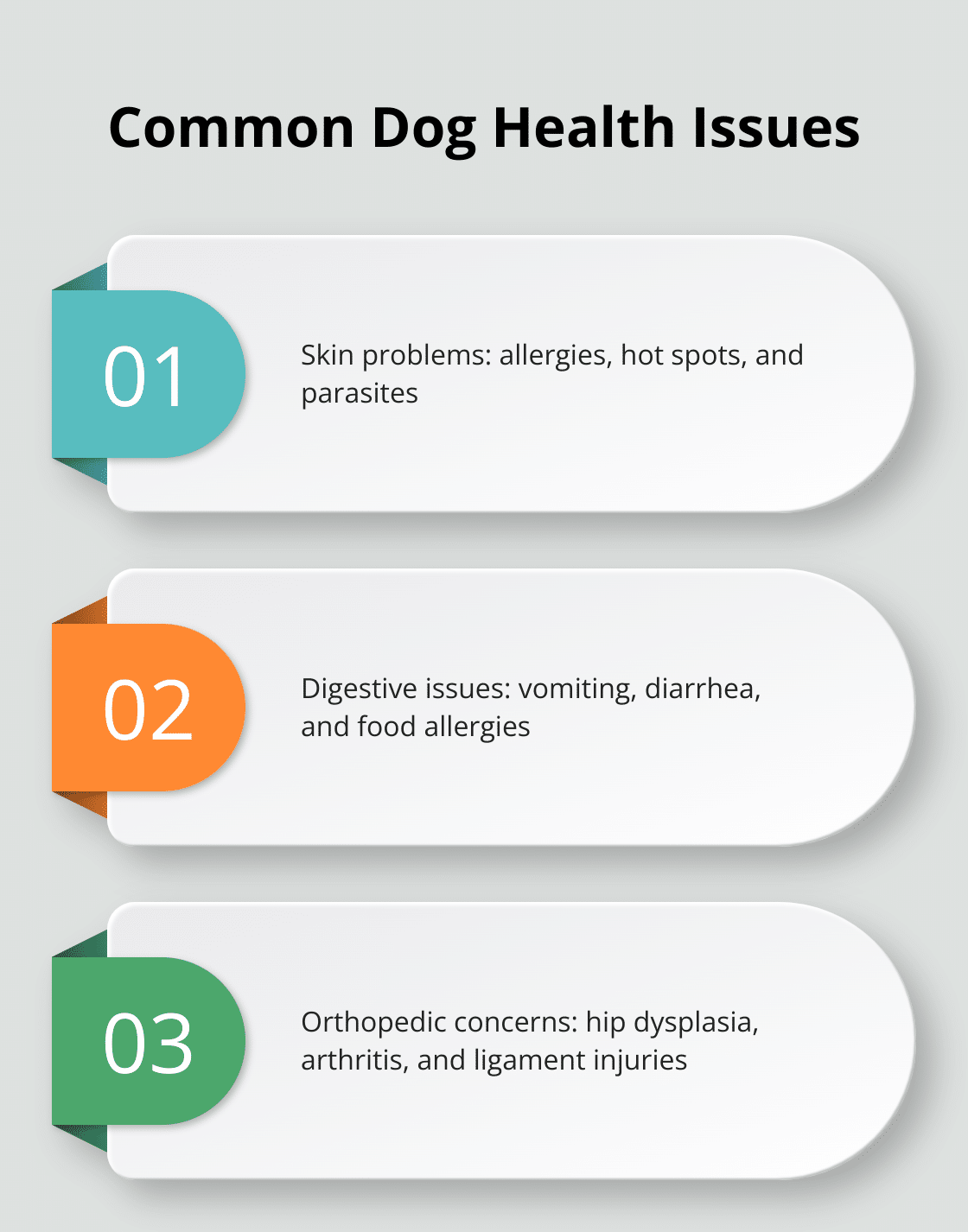
In this post, we’ll cover the most frequent health problems dogs face, from skin conditions to digestive troubles and orthopedic concerns.
What’s Causing Your Dog’s Skin Problems?
Allergies: The Itch That Won’t Quit
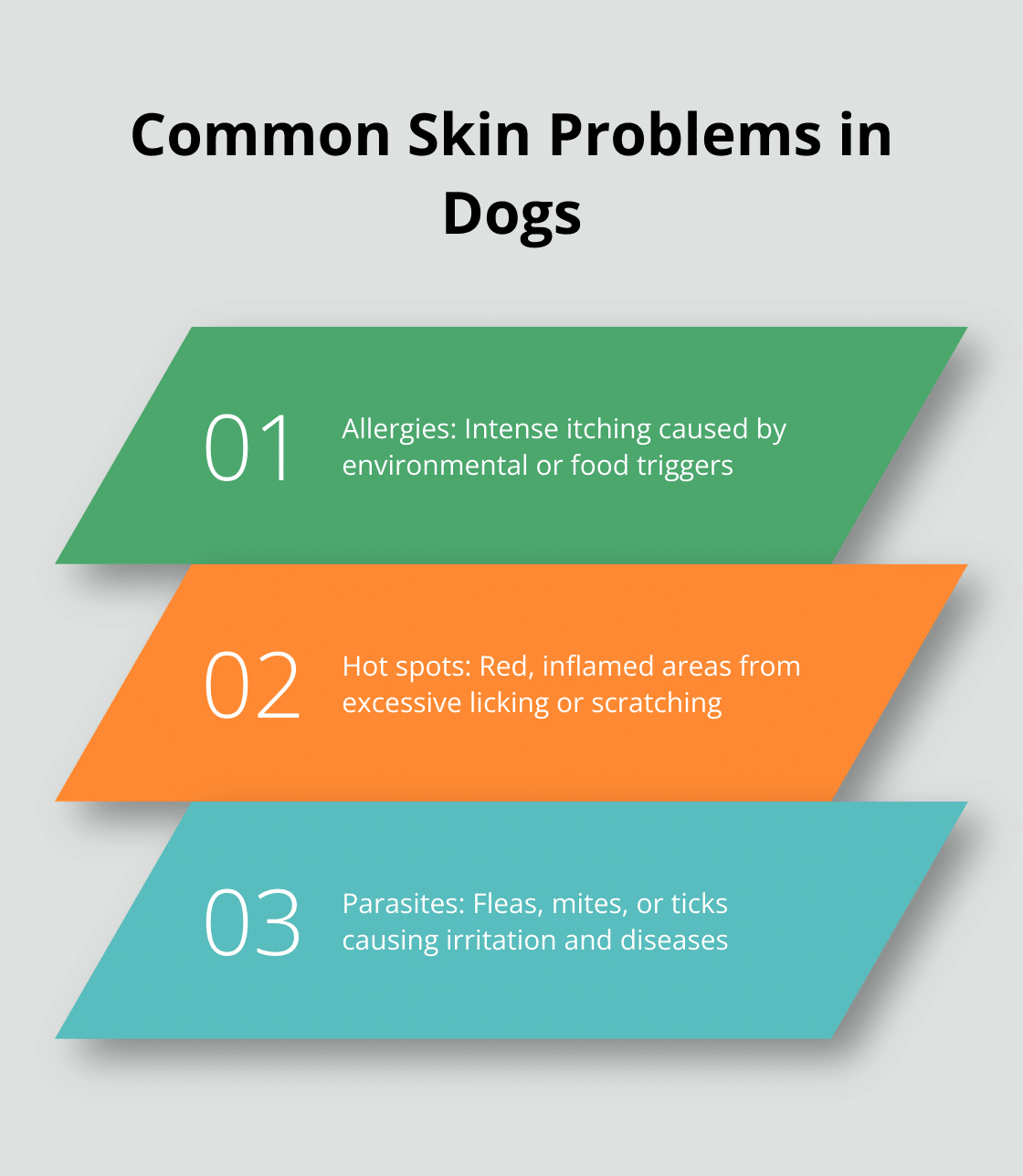
Allergies top the list of skin problems in dogs. Environmental allergens (pollen, dust mites, mold) often trigger intense itching. Food allergies, though less frequent, can also cause skin reactions. If your dog scratches, licks, or chews their skin constantly, allergies might be the culprit.
To address allergies, identify the allergen first. Your vet might suggest an elimination diet for suspected food allergies or allergy testing for environmental triggers. Omega-3 fatty acids can reduce inflammation and improve the skin’s general condition in dogs with allergic skin. Severe cases may require antihistamines or corticosteroids prescribed by your vet.
Hot Spots: Small Problems That Escalate Quickly
Hot spots (acute moist dermatitis) appear as red, inflamed areas on your dog’s skin. Excessive licking or scratching, often triggered by allergies, insect bites, or boredom, causes these spots.
Treatment involves clipping the hair around the affected area and cleaning it with a mild antiseptic solution. Your vet may prescribe topical or oral antibiotics for infected hot spots. Prevent future occurrences by addressing the underlying cause (allergies or behavioral issues).
Parasites: Tiny Pests, Big Problems
Fleas, mites, or ticks can cause significant skin issues. Fleas lead to intense itching and flea allergy dermatitis. Ticks irritate the skin and transmit serious diseases. Mites cause mange, resulting in hair loss and severe itching.
Prevention stands as the best defense. Use year-round flea and tick prevention as recommended by your vet. Check your dog for ticks regularly, especially after outdoor activities. If you suspect mites, seek immediate veterinary care, as some types of mange spread quickly.
When to Consult a Veterinarian
Skin issues can indicate underlying health problems. If your dog’s skin problems persist despite home care, consult your veterinarian. Early intervention prevents minor skin issues from becoming major health concerns.
As we move from skin problems to digestive issues, it’s important to note that many skin conditions (especially food allergies) can also affect your dog’s digestive system. Let’s explore these common digestive problems and how they might relate to overall canine health.
What’s Upsetting Your Dog’s Stomach?
Digestive issues in dogs range from mild to severe. Let’s explore some of the most frequent digestive problems and what you can do about them.
Vomiting and Diarrhea: More Than Just a Mess
Vomiting and diarrhea in dogs can stem from various causes, including dietary indiscretion, infections, or more serious underlying conditions. If your dog vomits or has diarrhea for more than 24 hours, call the vet. Dehydration poses a real risk, especially in puppies, senior dogs, nursing mothers, and toy dog breeds.
To help your dog through a bout of vomiting or diarrhea:
- Withhold food for 12-24 hours (but always provide water)
- Introduce a bland diet of boiled chicken and rice
- Seek veterinary care if symptoms persist or worsen
Food Allergies and Sensitivities: The Hidden Culprits
Food allergies and sensitivities can cause both digestive upset and skin issues. Common allergens in dogs include beef, dairy products, chicken, and wheat. If you suspect a food allergy, ask your vet about an elimination diet trial.
An elimination diet involves feeding your dog a novel protein source and carbohydrate (e.g., venison and sweet potato) for 8-12 weeks. After the trial period, you’ll slowly reintroduce potential allergens to identify the culprit.
Bloat: A Life-Threatening Emergency
Bloat, or gastric dilatation-volvulus (GDV), is a severe condition where the stomach fills with gas and twists on itself. It occurs most often in large, deep-chested breeds (like Great Danes), but can affect any dog.
Symptoms of bloat include:
- A swollen abdomen
- Unsuccessful attempts to vomit
- Signs of distress
If you suspect bloat, rush your dog to the emergency vet immediately. Every minute counts in this situation.
To reduce the risk of bloat:
- Feed your dog smaller meals throughout the day instead of one large meal
- Avoid vigorous exercise immediately after eating
- Consider preventive surgery for high-risk breeds (your vet can advise on this option)
Understanding these common digestive issues empowers you to act quickly when your dog shows signs of discomfort. As we move on to discuss orthopedic issues, keep in mind that a dog’s overall health often interconnects. Digestive problems can sometimes manifest as changes in mobility or behavior, making a holistic approach to canine health essential.

How to Spot and Manage Dog Joint Problems
Hip Dysplasia: Not Just for Large Breeds
Hip dysplasia is the most common inherited polygenic orthopedic trait in dogs, with both genetic and environmental factors influencing its development. While large breeds are more susceptible, small dogs can also suffer from this condition. Signs include difficulty rising, reluctance to climb stairs, and a swaying gait.
Early detection plays a key role in managing hip dysplasia. If you notice these symptoms, consult your vet promptly. X-rays can confirm the diagnosis. Treatment options range from weight management and exercise modification to joint supplements and, in severe cases, surgery.
Regular check-ups and weight control can help prevent or manage this condition.
Arthritis: A Problem for Dogs of All Ages
Arthritis can affect dogs of all ages, not just seniors. It causes inflammation in the joints, resulting in pain and reduced mobility. Watch for signs like stiffness after rest, reluctance to play, or visible joint swelling.
Managing arthritis requires a multi-faceted approach. Weight control is essential – even a small reduction in body weight can significantly reduce joint stress. Low-impact exercises (such as swimming) can help maintain muscle strength without putting excessive strain on the joints.
Supplements like glucosamine and chondroitin can support joint health. Some studies suggest that omega-3 fatty acids may also help reduce inflammation. Always consult your veterinarian before starting any supplement regimen.
Cruciate Ligament Rupture: A Common Knee Injury
The cranial cruciate ligament (CCL) in dogs is similar to the ACL in humans. A rupture of this ligament can cause sudden lameness and pain. It’s one of the most common orthopedic issues in active dogs.
Signs of a CCL rupture include a sudden limp, difficulty rising, and a ‘popping’ sound when walking. If you suspect a CCL injury, seek veterinary care promptly. For athletic patients, surgery in combination with joint supplements is recommended to slow down progression of arthritis and to eliminate or minimize lameness.
Prevention is key. Maintaining a healthy weight and providing regular, appropriate exercise can help reduce the risk of CCL injuries. Some studies suggest that spaying or neutering before physical maturity may increase the risk of CCL ruptures in certain breeds, so discuss timing with your vet.
Final Thoughts
Understanding common dog health issues empowers pet owners to provide the best care for their furry companions. Regular veterinary check-ups allow for early detection of potential problems and ensure pets stay up-to-date on vaccinations and preventive care. We at DogingtonPost recommend annual wellness exams for adult dogs and more frequent visits for puppies and seniors.
A balanced diet, regular exercise, and mental stimulation all contribute to a pet’s well-being. Proper dental care, including regular brushing and dental chews, prevents periodontal disease. Some situations require immediate medical attention, such as signs of bloat, difficulty breathing, severe vomiting or diarrhea, seizures, or suspected poisoning (trust your instincts if something seems seriously wrong).
Every dog is unique, and what’s normal for one may not be for another. Pay attention to your dog’s usual behavior and habits to quickly identify when something’s amiss. For more information on dog health issues and responsible pet ownership, visit our comprehensive resource for dog lovers.