
“This post contains affiliate links, and I will be compensated if you make a purchase after clicking on my links.”
Dog walking is more than just a leisurely stroll with a furry friend. It’s a responsibility that requires skill, knowledge, and dedication.
At DogingtonPost, we’ve compiled essential tips for dog walkers to help you excel in this rewarding profession. Whether you’re a seasoned pro or just starting out, these insights will elevate your dog walking game.
From mastering leash techniques to understanding canine behavior, we’ll cover everything you need to become an exceptional dog walker.
What Makes a Great Dog Walker?
Building Strong Relationships
Dog walking requires more than just a love for dogs. It demands a unique blend of skills, knowledge, and professionalism. Great dog walkers understand their role as caretakers, trusted professionals, and representatives of their clients’ beloved pets.
The foundation of successful dog walking lies in trust-building with both clients and their furry companions. This starts with clear communication. Be upfront about your experience, services, and policies. When you meet new clients, take time to learn about their dogs’ specific needs, quirks, and routines.
For the dogs, patience is key. Let them approach you on their terms. Use positive reinforcement techniques to create a bond. Carry treats (with the owner’s permission) and reward good behavior. Each dog is unique, so tailor your approach accordingly.

Navigating Legal and Safety Requirements
Great dog walkers know local laws and regulations. This knowledge keeps you compliant and demonstrates your professionalism to clients. Research your area’s leash laws, off-leash areas, and any breed-specific legislation. Many cities require dog walkers to obtain a license or permit, especially if walking multiple dogs simultaneously.
Safety should always be your top priority. Carry proper identification for yourself and ensure all dogs have visible ID tags. Be prepared for emergencies by keeping a first aid kit handy and knowing the location of nearby veterinary clinics.
Professionalism in Practice
Reliability is non-negotiable in dog walking. Arrive on time for every appointment. If you’re running late, communicate promptly with your clients. Maintain a consistent schedule to provide stability for the dogs in your care.
Invest in your professional development. Stay updated on the latest dog training techniques, behavioral science, and pet care trends. Consider obtaining certifications from reputable organizations like the National Association of Professional Pet Sitters. This ongoing education not only improves your skills but also boosts your credibility with clients.
Presentation matters too. Dress appropriately for the job – comfortable yet professional attire that can withstand the rigors of dog walking. Keep your equipment clean and in good condition. This attention to detail reflects positively on your business and reassures clients that their pets are in capable hands.
Mastering Essential Skills
Great dog walkers excel in leash handling and control. They can read canine body language and manage multiple dogs at once. These skills come with practice and experience. Try to attend workshops or training sessions to hone these abilities.
Preparing for the Unexpected
Exceptional dog walkers always prepare for the unexpected. They carry a well-stocked first aid kit, extra water, and waste bags. They know how to handle emergencies, from dog fights to sudden illnesses. This level of preparedness sets great dog walkers apart and ensures the safety of the dogs in their care.
As we move into the next section, we’ll explore the specific techniques and tools that can help you put these principles into practice and truly excel as a dog walker.
How to Master Essential Dog Walking Skills
Dog walking requires specific skills to ensure safety, enjoyment, and effectiveness. This chapter explores expert advice to help you perfect these essential techniques.
Perfect Your Leash Handling
Leash handling forms the foundation of effective dog walking. Always reward good leash behavior and never let your dog walk when they are pulling. Wait for a loose leash before you walk. These techniques allow for better control and more enjoyable walks for both you and your dog.
Decode Canine Body Language
Understanding dog body language is vital for anticipating and preventing issues during walks. Focus on ear position, tail movement, and overall body posture.
While a dog will bark and growl when excited or feeling threatened, they are already severely agitated by the time they do so. It’s important to recognize earlier signs of stress or discomfort to prevent escalation.
Manage Multiple Dogs
Walking multiple dogs simultaneously requires extra skill and attention. Match dogs with similar energy levels and walking styles. Use separate leashes for each dog rather than a splitter leash for better individual control.
Position yourself as the pack leader by walking slightly ahead of the dogs. This establishes your role and helps prevent tangling. If a dog starts pulling or misbehaving, stop walking immediately. This teaches them that forward movement only happens when they’re calm and attentive.
Handle Emergencies Effectively
Even with thorough preparation, emergencies can occur. Always carry a well-stocked first aid kit. Include items such as gauze, antiseptic wipes, and self-adhering bandages.
If a dog fight breaks out, never attempt to separate them by grabbing collars or placing yourself between them. Instead, use distraction techniques like loud noises or water sprays. For serious situations, the wheelbarrow method – lifting a dog’s hind legs off the ground – can be effective, but only attempt this if you’re properly trained.
Mastering these skills requires time and consistent practice. Stay informed about the latest techniques to become an exceptional dog walker. Remember, each dog is unique, so be prepared to adapt your approach to individual needs. The next chapter will cover essential tools and equipment that complement these skills and enhance your dog walking experience.
What Tools Do Professional Dog Walkers Use?
Leashes and Harnesses
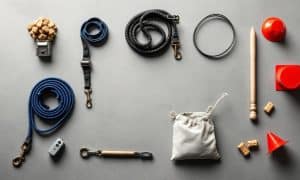
Professional dog walkers select the right equipment for control and safety. Many prefer 4-6 foot leather or nylon leashes for durability and comfort. They avoid retractable leashes due to less control and potential dangers in multi-dog situations.
Harnesses often outperform collars, especially for dogs that pull. Front-clip harnesses provide more control and reduce neck strain. The Blue-9 Balance Harness is a top choice among the best no-pull dog harnesses, earning praise from dog walkers and trainers.
Walking Essentials
A well-stocked dog walking bag is indispensable. It should contain:
- Waste bags
- Treats for positive reinforcement
- Collapsible water bowl
- Fresh water
A treat pouch worn on the belt allows quick access during training moments.
Poop bags are non-negotiable. Biodegradable options (such as Earth Rated poop bags) minimize environmental impact while maintaining strength.

Safety and First Aid
Safety takes top priority. Reflective gear for both walker and dogs ensures visibility during early morning or evening walks. LED collar lights (like those from Nite Ize) provide additional safety in low-light conditions.
A comprehensive first aid kit is essential. It should include:
- Gauze
- Non-stick bandages
- Antiseptic wipes
- Styptic powder for nail injuries
First-aid kits for dogs should contain everything needed for a canine medical emergency or health issue.

Tech Tools for Efficiency
Technology has transformed the dog walking industry. GPS tracking devices (such as Whistle) provide peace of mind for walkers and owners alike. Apps like Time To Pet or Scout for Pet Sitters streamline scheduling, invoicing, and client communication.
Solo dog walkers can use personal safety apps (e.g., Noonlight) for an extra layer of security during walks.
Quality tools and equipment enhance the walking experience and demonstrate professionalism to clients. Regular maintenance and updates ensure preparedness for any situation during dog walking adventures.
Final Thoughts
Exceptional dog walkers combine skills, knowledge, and dedication to excel in their profession. They build strong relationships, master essential techniques, and prioritize safety in every aspect of their work. Professional dog walkers invest in quality tools and equipment to provide the best care possible for their canine clients.
Success in dog walking requires continuous learning and improvement. Dog walkers should stay updated on the latest training techniques, behavioral science, and pet care trends. They can attend workshops, seek certifications, and engage with other professionals to expand their knowledge and refine their skills.
DogingtonPost offers valuable tips for dog walkers and the latest information to support growth in this field. Dog walkers who commit to excellence will provide exceptional care for the dogs they walk and find immense satisfaction in their chosen profession. The journey to become an outstanding dog walker starts with patience, practice, and perseverance.