
“This post contains affiliate links, and I will be compensated if you make a purchase after clicking on my links.”
Dog breeding is a complex and rewarding endeavor that requires careful planning and knowledge. At DogingtonPost, we understand the importance of responsible breeding practices and their impact on canine health and welfare.
Our comprehensive guide offers essential breeding dog tips to help you navigate this intricate process successfully. From genetic considerations to proper care during pregnancy, we’ll cover everything you need to know to become a responsible and successful dog breeder.
What Makes Responsible Dog Breeding Essential?
The Science and Art of Dog Breeding
Dog breeding requires more than just pairing two dogs. It combines scientific knowledge with artistic selection to produce healthy, well-tempered puppies. Responsible breeding forms the foundation for maintaining healthy dog populations and preserving beloved breeds for future generations.
Genetics: The Blueprint of Canine Health
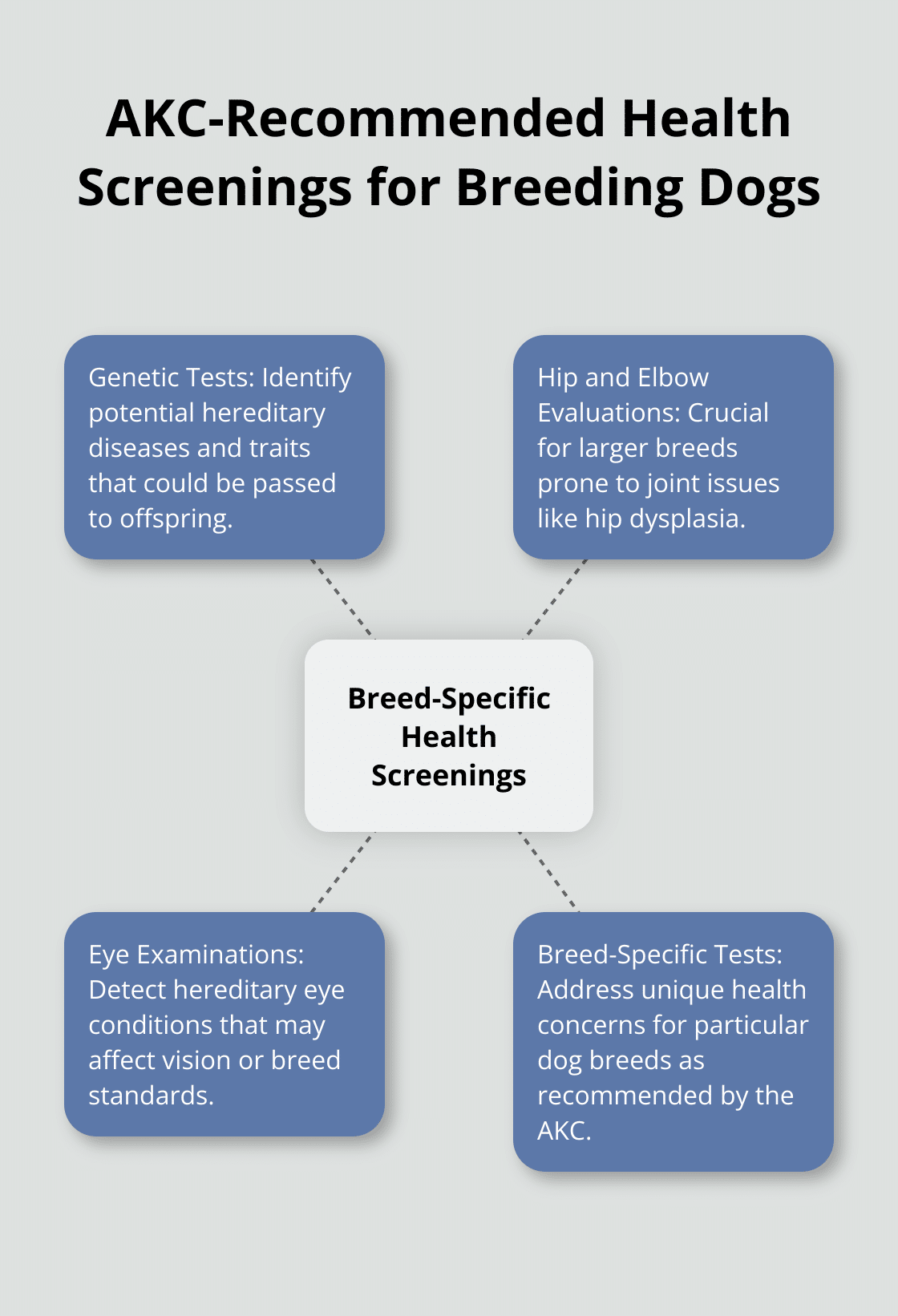
Genetics significantly influence dog breeding outcomes. The American Kennel Club (AKC) advises all breeding dogs to undergo breed-specific health screenings. These tests reveal potential genetic issues that could affect puppies. For instance, hip dysplasia often occurs in larger breeds (such as German Shepherds and Labrador Retrievers). Screening for this condition allows breeders to make informed pairing decisions.
Health testing also promotes positive traits. The Orthopedic Foundation for Animals (OFA) provides various genetic tests. These tests help breeders select desirable characteristics while minimizing hereditary disease risks.
Legal and Ethical Considerations
Dog breeding involves legal responsibilities that differ by location. Many U.S. states require licenses for breeders who sell a specific number of puppies annually. Research and compliance with local regulations prevent legal issues.
Ethical breeding extends beyond legal requirements. The AKC’s Code of Ethics outlines responsible breeding practices. These guidelines include limiting a female dog’s lifetime litter count and ensuring proper care for parent dogs and puppies.
Developing a Comprehensive Breeding Plan
A well-structured breeding plan leads to success. This plan includes selecting compatible breeding pairs based on health, temperament, and breed standard conformity. The Canine Health Information Center (CHIC) database offers valuable information on potential breeding dogs’ health backgrounds.
Timing plays a critical role in breeding. Female dogs typically experience heat twice yearly, though this can vary. Tracking a female’s heat cycle and recognizing fertility signs increase successful breeding chances.
The Long-Term Impact of Breeding Decisions
Responsible breeding focuses on improving the breed, not just producing puppies. Prioritizing health, temperament, and breed standards allows breeders to contribute positively to the canine world. Each breeding decision impacts dogs’ lives and their future owners for generations to come.
As we move forward, we’ll explore the practical steps involved in preparing for the breeding process, including how to select suitable breeding pairs and create an ideal environment for successful reproduction.
How to Choose the Perfect Breeding Pair
Health Screening: The Foundation of Successful Breeding
Comprehensive health screenings form the cornerstone of responsible dog breeding. The Orthopedic Foundation for Animals (OFA) provides the tools needed for veterinarians, breeders, or prospective animal owners to assess breed-specific health issues. For instance, Labrador Retrievers should undergo hip and elbow evaluations, eye examinations, and genetic testing for exercise-induced collapse.
Vaccinations play a vital role in preparing dogs for breeding. The American Animal Hospital Association (AAHA) recommends core vaccines for all dogs, including those for rabies, distemper, and parvovirus. Additional vaccines may prove necessary depending on the breed and local health risks.
Evaluating Temperament and Conformation
A dog’s temperament holds equal importance to its physical health. The AKC Canine Good Citizen program offers a 10-skill test that teaches good manners to dogs and responsible dog ownership to their owners. Dogs that pass this test demonstrate good manners and obedience (traits desirable in breeding stock).
Conformation to breed standards represents another key factor. Dog shows provide opportunities to understand what constitutes an exemplary specimen of your chosen breed. The AKC provides detailed breed standards that can guide your selection process.
Creating an Optimal Breeding Environment
The creation of the right environment proves key to successful mating and whelping. The ideal breeding area should be quiet, clean, and stress-free. Temperature control holds particular importance, especially for whelping. Experts recommend maintaining a temperature between 85-90°F (29-32°C) for newborn puppies.
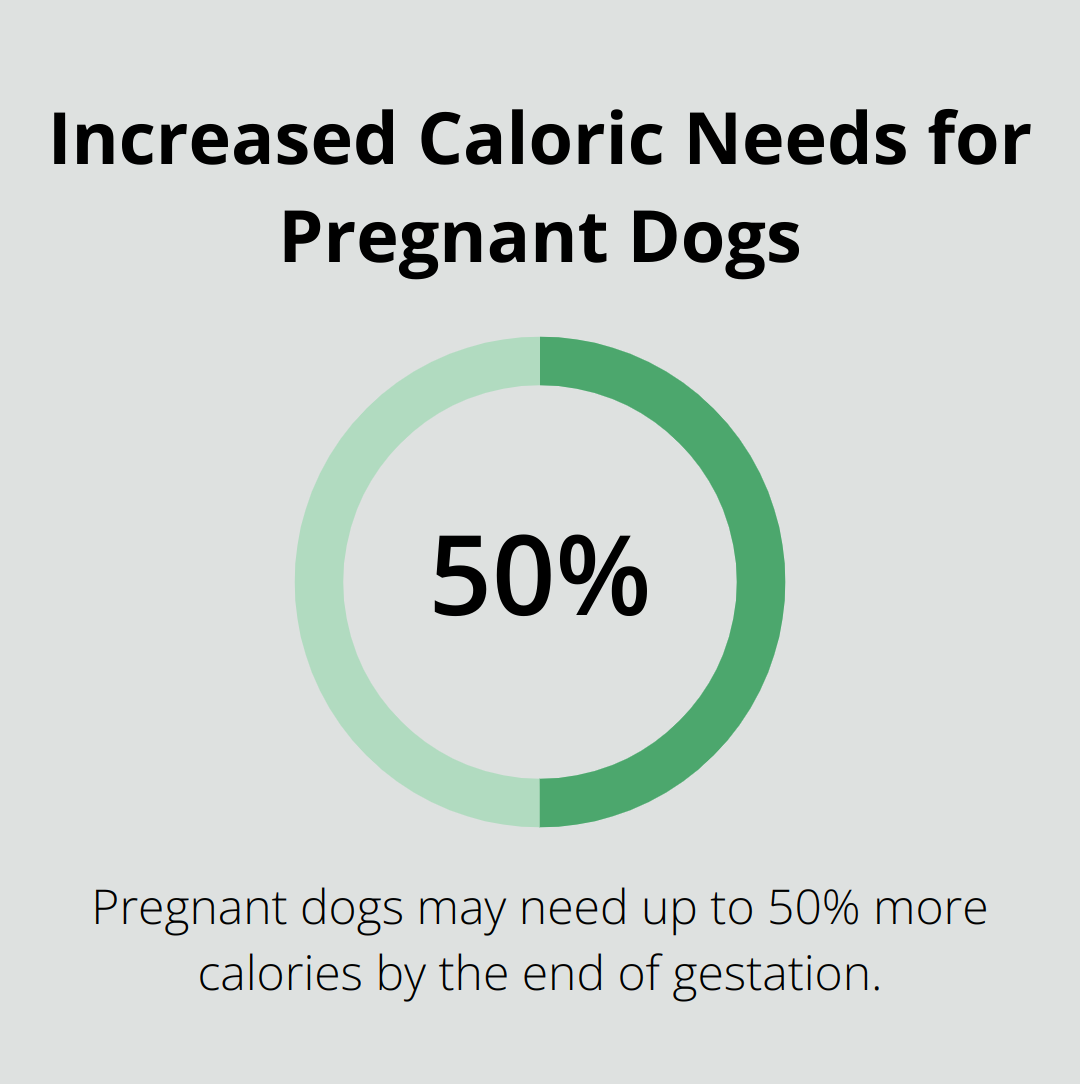
Proper nutrition holds vital importance for both the dam and sire. According to the Merck Veterinary Manual, pregnant dogs require about 25-50% more calories than normal by the end of gestation. High-quality, nutrient-dense food supports the health of the mother and the developing puppies.
Preparing for Whelping
The preparation of a whelping box well in advance of the due date proves essential. The box should allow the dam to move comfortably and have low sides for easy access. Lining the box with easily washable materials helps maintain hygiene during and after whelping.
These careful steps in selecting breeding pairs based on health, temperament, and breed standards, coupled with the creation of an optimal environment for breeding and whelping, set the stage for a successful breeding program. The next chapter will explore the intricacies of the breeding process itself, including recognizing signs of heat in female dogs and timing the mating process effectively.
How the Dog Breeding Process Works
Recognizing Heat Signs in Female Dogs
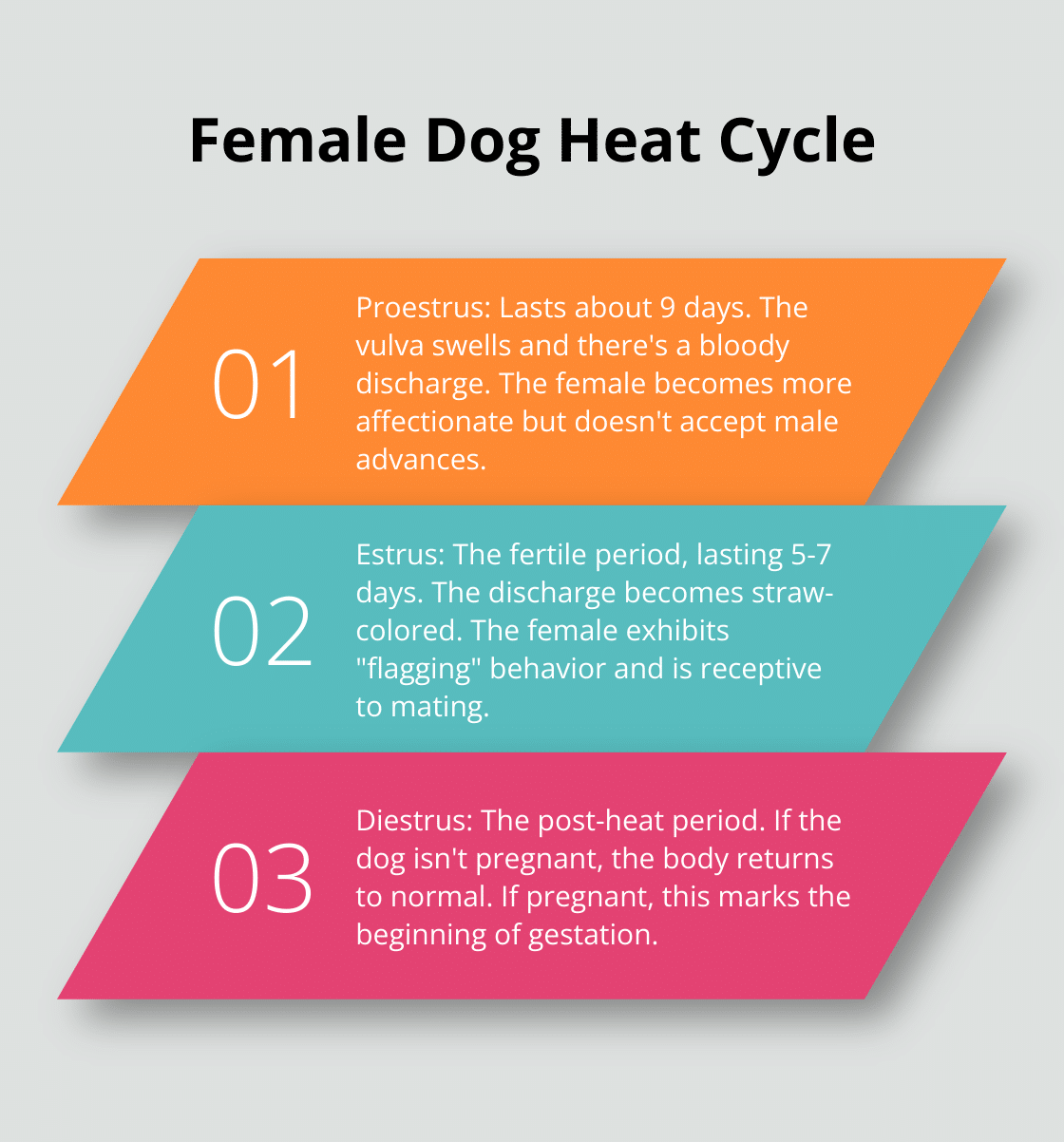
Female dogs enter heat typically twice a year, with variations among breeds. The first sign often includes a swollen vulva and bloody discharge. This initial stage, proestrus, lasts about 9 days. During this time, the female might become more affectionate but won’t accept male advances.
The fertile period, estrus, follows. The discharge becomes straw-colored, and the female will stand still when touched on the back (a behavior known as “flagging”). This stage usually lasts 5-7 days and marks the optimal time for breeding.
Timing the Mating Process
Timing plays a key role in successful breeding. Ovulation typically occurs 2-3 days after the start of estrus. However, sperm can survive in the female reproductive tract for several days, so breeding a few days before ovulation can still result in pregnancy.
Many breeders use progesterone testing to pinpoint the best breeding time. These tests measure hormone levels to predict ovulation accurately. Experts recommend starting progesterone testing around day five or six of the heat cycle to establish a baseline.
Some breeders also use vaginal cytology, which examines cell changes in the vaginal lining to determine the best breeding time. This method, while less precise than progesterone testing, can serve as a useful additional tool.
Pregnancy Care
After successful mating, proper care during pregnancy becomes essential. A pregnant dog’s nutritional needs increase significantly, especially in the last third of gestation. High-quality puppy food can meet these increased demands.
Regular veterinary check-ups prove vital. Ultrasounds can confirm pregnancy as early as 25 days after mating. X-rays taken around day 55 can determine litter size, helping prepare for whelping.
Whelping Preparation
As the due date approaches (typically 63 days after ovulation), prepare a quiet, warm whelping area. Monitor the mother closely for signs of labor, such as restlessness, panting, or a drop in body temperature.
During whelping, most dogs manage on their own, but be prepared to assist if necessary. Each puppy should arrive within 1-2 hours of the previous one. If the mother strains for more than 30-60 minutes without producing a puppy, contact your veterinarian immediately.
Post-Whelping Care
After birth, ensure each puppy nurses within the first few hours to receive colostrum, which provides crucial antibodies. Keep the whelping area clean and warm, maintaining a temperature of about 85°F (29°C) for the first week.
It’s important to note that responsible breeding practices are crucial for the health and well-being of both the mother and puppies. This includes health testing and proper puppy socialization to prevent passing on genetic issues or health problems to offspring.
Final Thoughts
Dog breeding requires dedication, knowledge, and a commitment to responsible practices. We explored essential breeding dog tips, from genetics and health testing to creating optimal environments and managing the breeding process. These considerations form the foundation of successful and ethical dog breeding.
The journey of a responsible breeder continues beyond a successful litter. Ongoing education and support help breeders stay informed about the latest advancements in canine health, genetics, and breeding practices. Attending seminars, participating in breed clubs, and maintaining relationships with experienced mentors provide valuable insights to refine breeding programs over time.
We at DogingtonPost promote responsible dog ownership and breeding practices. Our comprehensive online platform offers information on dog health, nutrition, and care for novice and experienced breeders. Staying informed and adhering to ethical breeding standards contributes to the health and well-being of future canine generations.