
“This post contains affiliate links, and I will be compensated if you make a purchase after clicking on my links.”
Neutering your dog is a significant step in responsible pet ownership. At DogingtonPost, we understand that the care after a dog is neutered can be a source of concern for many pet parents.
This guide will walk you through the essential steps to ensure your furry friend’s smooth recovery. From managing pain to gradually reintroducing normal activities, we’ve got you covered with practical advice and expert tips.
What Happens After Your Dog’s Neutering Surgery?
The Procedure and Its Immediate Effects
Neutering is a procedure where a male dog’s testicles are removed under general anesthesia. This eliminates their ability to reproduce.
The Critical First 24 Hours
The initial day after surgery requires extra attention. Most dogs experience grogginess and potential nausea from anesthesia. Your pet will likely be sleepy and less active. The American Veterinary Medical Association recommends keeping your pet calm and quiet for a few days as the incision begins to heal.
Two-Week Recovery Timeline
While individual experiences vary, most dogs recover within about two weeks. The first week often sees a gradual return to normal energy levels. However, activity restriction remains important to avoid complications. Always follow your vet’s specific guidance.
Common Side Effects to Monitor
Post-surgery side effects are usually mild but require close observation. These may include:
- Mild swelling or bruising at the incision site
- Slight lethargy or decreased appetite (for 24-48 hours)
- Occasional whimpering or mild discomfort

More serious side effects that require immediate veterinary attention include excessive bleeding, persistent vomiting, or signs of infection (such as fever or pus around the incision).
Effective Pain Management
Your veterinarian will likely prescribe pain medication for the initial post-surgery days. It’s important to administer these as directed. A study in the Journal of the American Veterinary Medical Association found that proper pain management improves recovery times and reduces stress in neutered dogs.
As your dog progresses through recovery, you’ll need to create a comfortable space for them to heal. Let’s explore how to set up the ideal recovery environment in the next section.
How to Create a Safe Recovery Space for Your Dog
Select the Ideal Location
Choose a quiet area in your home for your dog’s recovery. A spare room or a secluded corner of your bedroom works well. Ensure the space has good air circulation but avoid drafts. The temperature should be comfortable-not too hot or cold.
Prepare the Recovery Area
Line the space with soft, washable bedding. Old blankets or towels are perfect as they’re easy to clean if soiled. Place your dog’s bed or crate in this area, making sure it’s spacious enough for them to stretch out comfortably. Remove any potential hazards, such as toys with small parts or items your dog might chew.
Check the Incision Site Regularly
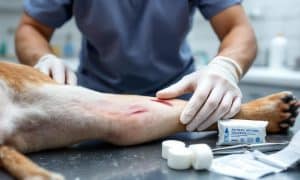
Inspect the surgical site at least twice daily. Look for signs of infection (excessive redness, swelling, or discharge). A small amount of bruising is normal, but contact your veterinarian immediately if you notice anything unusual. Keep the area dry-no baths or swimming for at least 10 days after surgery.

Use an Elizabethan collar (E-collar) or a recovery suit to prevent your dog from licking or chewing the incision. These barriers are vital for proper healing and infection prevention. A dog recovery suit after neutering or spaying is particularly common as it prevents dirt and other irritants from reaching the wound.
Control Pain and Discomfort
Follow your veterinarian’s instructions for pain medication precisely. Some common medications prescribed by vets to help manage pain after spay or neuter surgery include Torbugesic or Rimadyl. Never give human pain relievers to your dog-they can be toxic. Keep a log of medication administration to stay on schedule.
You can help manage your dog’s discomfort by:
- Limiting movement: Restrict jumping, running, and stairs for at least a week.
- Providing gentle companionship: Spend quiet time with your dog, offering reassurance.
- Using cold therapy (if recommended by your vet): Apply an ice pack wrapped in a towel to the incision area for short periods to reduce swelling.
Each dog’s recovery is unique. Some may recover quickly, while others need more time. Patience and attentiveness to your pet’s needs are key during this healing period.
As your dog progresses through recovery, you’ll need to consider their nutrition and hydration needs. Let’s explore how to properly feed and hydrate your dog during the post-neutering period in the next section.
Easing Your Dog Back to Normal Life
Feeding and Hydration Post-Surgery
Your dog’s appetite might fluctuate in the days following neutering. Offer small, frequent meals of their regular food. If your pet shows disinterest, try warming the food slightly to enhance its aroma. Always provide fresh water.
Research indicates that food intake increases 3 months after the procedure in neutered animals, with no differences in nutrient digestibility. Contact your veterinarian if your dog doesn’t eat for more than two days.
Safe Exercise Reintroduction
Start with short, controlled walks on a leash. Increase duration gradually over two weeks. Avoid running, jumping, or rough play during this time. The Association for Pet Obesity Prevention found that 59% of dogs in the U.S. are overweight or have obesity, so maintaining some activity is important for weight management.

For mental stimulation, use puzzle toys or gentle training sessions. These activities keep your dog engaged without risking physical strain.
Resuming Grooming Routines
Wait at least 10 days before bathing your dog or taking them to a groomer. This allows the incision site to heal properly. When you bathe your dog, use lukewarm water and a mild, pet-specific shampoo to avoid skin irritation.
For breeds that require regular grooming, ask your veterinarian about when it’s safe to resume professional grooming services. This typically occurs around two weeks post-surgery (but can vary based on your dog’s individual recovery progress).
Monitoring Behavior During Transition
Watch your dog’s behavior throughout this transition period. Look for signs of discomfort, lethargy, or unusual behavior. Don’t hesitate to contact your veterinarian if you notice anything concerning. With patience and care, most dogs return to their normal, active lives within a few weeks after neutering.
Final Thoughts
Care after a dog is neutered requires attentive monitoring and adherence to veterinary instructions. You must create a safe recovery space, manage pain effectively, and reintroduce activities gradually. These steps will ensure a smooth healing process for your furry companion.

Neutering offers benefits beyond population control, including reduced aggression and lower cancer risks. You should contact your veterinarian immediately if you notice signs of infection, excessive lethargy, or prolonged loss of appetite. Trust your instincts as you know your dog best.
We at DogingtonPost support you through every stage of your dog’s life, including post-neutering care. Our platform provides information on dog health, nutrition, and lifestyle to help you give the best care for your canine companion. Your attentive care will help your furry friend return to their playful self, ready to enjoy many healthy years by your side.