
“This post contains affiliate links, and I will be compensated if you make a purchase after clicking on my links.”
Caring for a dog in heat can be challenging for pet owners. At DogingtonPost, we understand the importance of providing proper care during this crucial time.
Our comprehensive guide offers essential tips for dogs in heat, covering everything from understanding the heat cycle to preventing unwanted pregnancies. We’ll help you navigate this natural process with confidence and ensure your furry friend’s comfort and well-being.
What Happens During a Dog’s Heat Cycle?
The Four Stages of a Heat Cycle
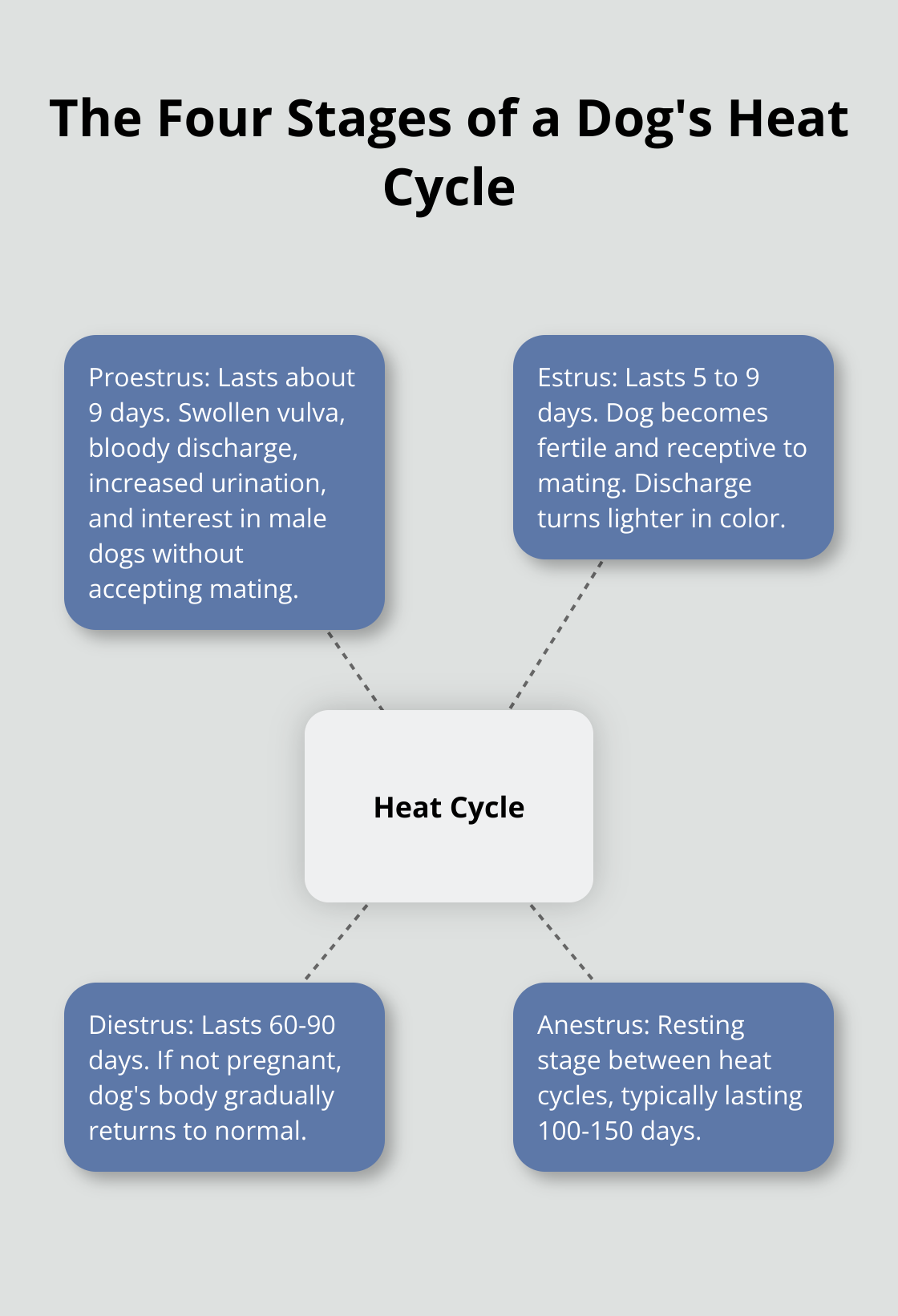
A dog’s heat cycle (estrus) is a natural reproductive process in unspayed female dogs. This cycle consists of four distinct stages:
- Proestrus: This stage lasts about 9 days. Your dog’s vulva will swell, and you’ll notice a bloody discharge. She’ll urinate more frequently and show interest in male dogs but won’t accept mating.
- Estrus: During this 5 to 9-day period, your dog becomes fertile and receptive to mating. The discharge turns lighter in color.
- Diestrus: This stage follows estrus and lasts about 60-90 days. If your dog hasn’t conceived, her body will gradually return to normal.
- Anestrus: This is the resting stage between heat cycles, typically lasting 100-150 days.
Recognizing the Signs
Early detection of heat signs helps you prepare for your dog’s cycle. Look for these physical and behavioral changes:
- Swollen vulva
- Bloody discharge
- Increased urination
- Restlessness or anxiety
- Clinginess or irritability
- Increased vocalization
- Mounting behavior
Timing and Frequency
Most dogs experience their first heat cycle around 6 months of age (though this varies by breed). Smaller breeds often start earlier, while larger breeds may not have their first cycle until 18 months or later.
On average, dogs go into heat twice a year (approximately every 6 months). However, the interval can range from 4 to 12 months. The American Kennel Club suggests keeping a detailed calendar of your dog’s heat cycles to predict future ones accurately.
Breed-Specific Considerations
Different dog breeds may have unique characteristics during their heat cycles. For example:
- Toy breeds might have their first heat as early as 4 months old
- Giant breeds might not have their first heat until 2 years of age
- Some breeds (like Basenjis) only go into heat once a year
Health Implications
A dog’s heat cycle can affect her overall health. During this time, she might:
- Experience mood swings
- Have a decreased appetite
- Be more susceptible to certain infections
Regular veterinary check-ups are essential to monitor your dog’s reproductive health and address any concerns or complications.
As we move forward, we’ll explore how to manage your dog during her heat cycle, ensuring her comfort and preventing unwanted pregnancies. These practical tips will help you navigate this natural process with confidence.
How to Keep Your Dog Comfortable During Heat
Create a Safe and Clean Environment
Dogs in heat experience a bloody discharge. To maintain cleanliness in your home and ensure your dog’s comfort, use doggy diapers. These come in disposable and washable varieties (brands like Simple Solution and Hartz offer reliable options in various sizes). Change the diaper regularly to prevent skin irritation and maintain hygiene.
Set up a designated area for your dog with easy-to-clean surfaces. Use old towels or washable blankets to create a cozy spot. This “nest” will give your dog a sense of security and help contain any messes.
Adjust Exercise Routines
You need to modify your dog’s routine during heat. Take shorter, more frequent walks instead of long outings. This helps manage your dog’s energy levels while minimizing the risk of unwanted attention from male dogs.
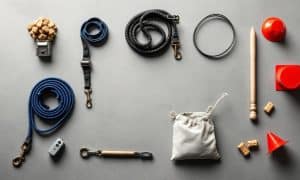
Always use a leash during walks, even in fenced areas. Dogs in heat can be unpredictable and may try to escape to find a mate. Avoid dog parks and other areas with off-leash dogs during this time.
Manage Behavioral Changes
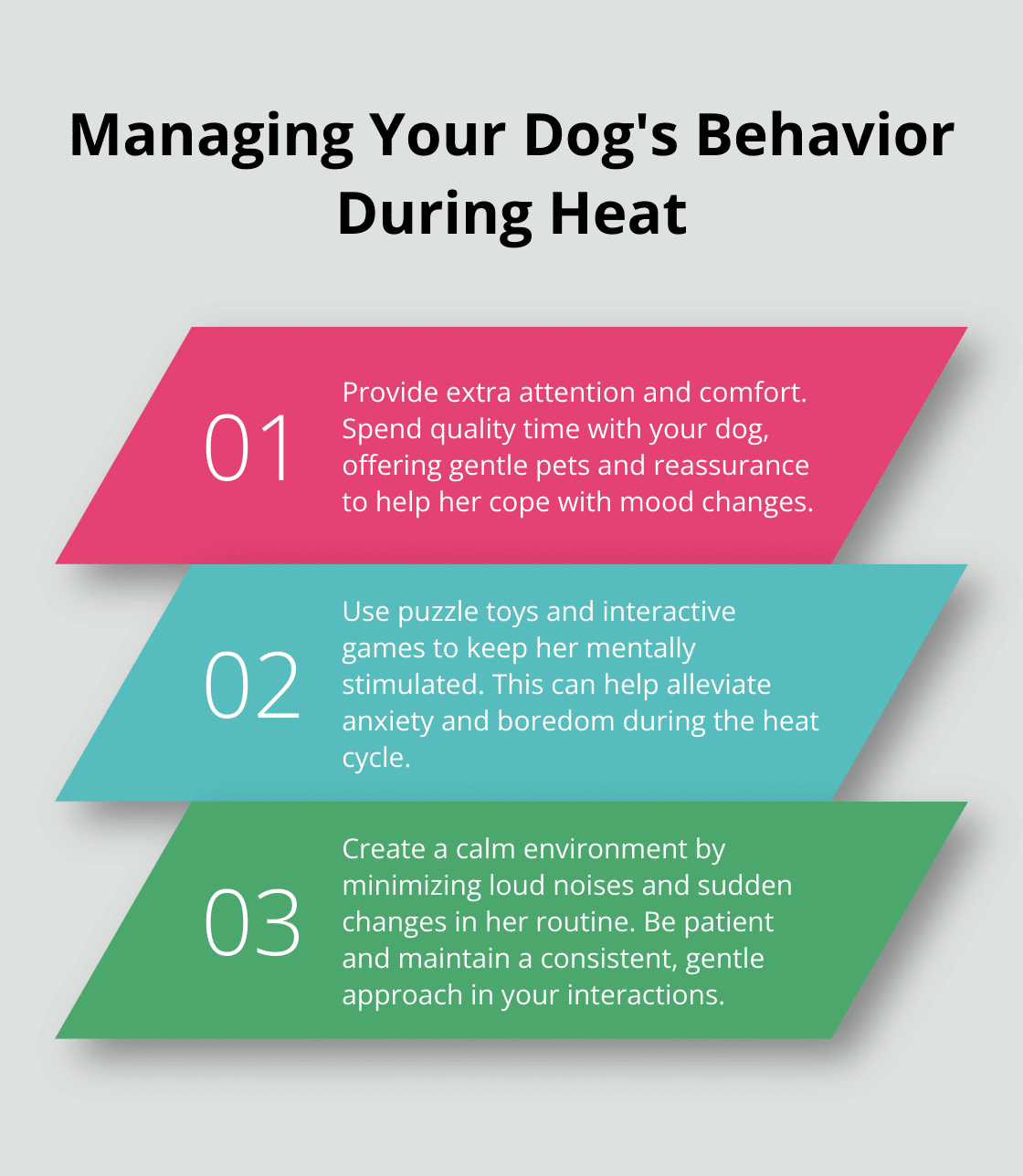
Heat can cause significant behavioral shifts in your dog. She may become more clingy, restless, or even aggressive. To help her cope:
Monitor Health and Comfort
Pay close attention to your dog’s physical well-being during her heat cycle. Watch for signs of discomfort or unusual symptoms (such as excessive bleeding or prolonged lethargy). If you notice any concerning changes, consult your veterinarian promptly.
Ensure your dog has access to fresh water at all times, as she may become more thirsty during this period. You might also need to adjust her diet slightly if her appetite changes.
Regular grooming can help your dog feel more comfortable and clean. Try to brush her coat daily and clean any discharge from her fur to prevent matting.
As we move forward, we’ll explore strategies to prevent unwanted pregnancies during your dog’s heat cycle, ensuring responsible pet ownership and your dog’s overall well-being.
Preventing Unwanted Dog Pregnancies
Constant Supervision: Your First Line of Defense
When your dog is in heat, you must never leave her unsupervised outdoors. Supervision during her heat cycle can help avoid accidental mating with male dogs. Separation from unneutered males is crucial during this time. Always accompany your dog on walks, and keep her on a short leash. You should avoid areas frequented by other dogs during this time.
Secure Containment Methods
You need to invest in a secure, escape-proof kennel or crate for times when you can’t directly supervise your dog. Make sure all windows and doors in your home are securely closed. Some pet owners use specially designed “chastity pants” or “heat pants” for added protection during bathroom breaks outside (these can be particularly useful for larger breeds).
Long-Term Solutions to Consider
Spaying is the most effective way to prevent unwanted pregnancies. This surgical procedure removes the ovaries and uterus, which eliminates heat cycles altogether. Spaying also reduces the risk of certain cancers and uterine infections, and can help dogs live longer, healthier lives.
If you’re not ready for spaying, you should discuss alternative birth control methods with your veterinarian. Some vets recommend hormonal injections to suppress heat cycles temporarily. However, these come with potential side effects and aren’t suitable for all dogs.

Educate Your Household
You must ensure all family members understand the importance of vigilance during your dog’s heat cycle. Create a clear plan for supervision and containment, and assign responsibilities to different household members. This team approach helps maintain consistent care and reduces the risk of accidents.
Stay Informed and Prepared
Try to stay updated on the latest information about canine reproductive health. Websites like The Dogington Post offer valuable resources and expert advice on managing your dog’s heat cycle. You should also maintain regular communication with your veterinarian to address any concerns or questions that may arise during this time.
Final Thoughts
Caring for a dog in heat demands dedication and a deep understanding of your pet’s needs. Your furry companion will experience physical and behavioral changes that require your full attention. You must create a safe environment, adjust exercise routines, and manage behavioral shifts to ensure your dog’s comfort during this natural process.
Prevention of unwanted pregnancies is a top priority when caring for a dog in heat. You need to provide constant supervision, secure containment, and consider long-term solutions like spaying. Each dog is unique, so you must stay attentive to your dog’s individual needs and behaviors during her heat cycle.
Professional guidance is invaluable when it comes to tips for dogs in heat. We at DogingtonPost recommend you consult with a veterinarian for personalized advice tailored to your dog’s specific needs. For more comprehensive information on dog care, health, and lifestyle, visit The Dogington Post. Our platform offers resources to help you navigate every aspect of dog ownership.