
“This post contains affiliate links, and I will be compensated if you make a purchase after clicking on my links.”
At DogingtonPost, we know that a healthy gut is crucial for your dog’s overall well-being.
Choosing the right gut health dog food can make a world of difference in your furry friend’s digestive system and immune function.
In this post, we’ll guide you through the key factors to consider when selecting the best food for your dog’s gut health, from essential ingredients to top brands on the market.
What’s Happening in Your Dog’s Gut?
The Gut Microbiome: Your Dog’s Hidden Health Ally
A dog’s gut houses a complex ecosystem of microorganisms. These tiny inhabitants play a vital role in your furry friend’s overall health. Recent studies show that about 70% of a dog’s immune system resides in the gut, which underscores its importance beyond just digestion.

The gut microbiome consists of bacteria, fungi, and other microorganisms living in your dog’s digestive tract. A balanced microbiome helps break down food, produces essential nutrients, and protects against harmful pathogens. A study published in the Journal of Animal Science found that a diverse gut microbiome links to better health outcomes in dogs, including improved digestion and stronger immune responses.
Red Flags: Spotting Poor Gut Health
Early recognition of poor gut health signs can help you address issues before they become serious. Common indicators include:
- Frequent diarrhea or constipation
- Excessive gas or bloating
- Sudden changes in appetite
- Unexplained weight loss
- Chronic bad breath
- Skin issues or excessive itching
If these symptoms persist, consult with your veterinarian. They can determine if gut health is the underlying cause and recommend appropriate treatments.
Food Matters: The Diet-Gut Connection
Your dog’s diet directly impacts their gut health. A University of Illinois study found that dietary changes can alter a dog’s gut microbiome in as little as a week. High-quality, easily digestible proteins are essential for maintaining a healthy gut lining. Fiber-rich ingredients (like sweet potatoes and pumpkin) can promote beneficial bacteria growth.
Conversely, certain ingredients can harm gut health. Artificial preservatives, excessive fillers, and low-quality proteins may lead to inflammation and digestive upset. An American Kennel Club report suggests that some dogs may be sensitive to common proteins (such as chicken or beef), necessitating a switch to novel protein sources like lamb or fish.
The Role of Probiotics and Prebiotics
Probiotics and prebiotics have gained attention in canine nutrition. These beneficial bacteria and the fibers that feed them can help maintain a balanced gut ecosystem. A study in the Veterinary Journal showed that probiotic supplementation improved stool quality and reduced diarrhea incidence in dogs.
Understanding your dog’s gut health forms the foundation for choosing the right food. The next chapter will explore the key ingredients that contribute to gut-friendly dog food, helping you make informed decisions for your furry companion’s nutritional needs.
What Makes Dog Food Gut-Friendly?
High-Quality Protein: The Foundation of Gut Health
High-quality protein sources form the cornerstone of maintaining a healthy gut lining in dogs. We recommend dog foods that list whole meats as the first ingredient. Chicken, turkey, lamb, and fish provide excellent protein options. A study published in the Journal of Animal Science evaluated the apparent total tract digestibility (ATTD) of canine diets differing in protein source and their effects on digestive health.

Steer clear of foods with vague terms like “meat meal” or “animal by-products.” These often contain low-quality proteins that dogs struggle to digest. Instead, look for specific protein sources such as “chicken meal” or “salmon meal.”
Fiber: Nourishment for Beneficial Bacteria
Fiber plays a vital role in supporting a healthy gut microbiome. We suggest dog foods that incorporate ingredients like pumpkin, sweet potatoes, and beet pulp. These provide both soluble and insoluble fiber, which help regulate digestion and promote the growth of beneficial gut bacteria.
The American Kennel Club reports that moderate fiber content (around 2-4%) suits most dogs. However, dogs with specific health conditions might benefit from higher fiber levels. (Always consult your vet for personalized recommendations.)
Probiotics and Fermented Foods: Enhancing Gut Flora
Probiotics are live beneficial bacteria that support gut health. We recommend dog foods that include probiotic strains like Lactobacillus and Bifidobacterium. Studies have suggested improved fecal quality and reduced nitrogen fermentation through probiotic treatments in dogs.
Fermented ingredients like kefir or yogurt can also benefit your dog’s gut health. These foods contain natural probiotics and enzymes that aid digestion. (However, use dairy-based ingredients in moderation, as some dogs may be lactose intolerant.)
Avoiding Gut Irritants
Selecting beneficial ingredients is as important as avoiding those that can irritate your dog’s gut. Common irritants include:
- Artificial preservatives (BHA, BHT, ethoxyquin)
- Artificial colors and flavors
- Excessive fillers like corn and wheat gluten
- High-fat content, which dogs find difficult to digest
When you select gut-friendly dog food, read labels carefully. Try to find foods with a short, clear ingredient list dominated by whole food sources. Avoid products with long lists of unpronounceable chemicals or vague ingredient descriptions.
Every dog has unique dietary needs. What works for one may not work for another. Monitor your dog’s response to new foods closely, and consult with your veterinarian before making significant changes to their diet.
Now that we’ve covered the key ingredients for gut-friendly dog food, let’s explore some top brands that prioritize canine digestive health in our next section.
Top Gut Health Dog Foods
Purina Pro Plan Fortiflora
Purina Pro Plan Fortiflora excels with its scientifically-backed probiotic formula. This supplement contains Enterococcus faecium SF68, a strain that supports digestive health and immune function in dogs. A study showed that feeding a dry dog food supplemented with this live probiotic LAB enhanced long-term immune functions in growing dogs.

Fortiflora comes in easy-to-use sachets for simple addition to regular dog food. Many pet owners notice improvements in stool consistency and reduced gas within weeks of use.
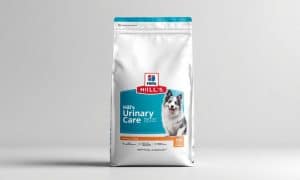
Hill’s Science Diet Perfect Digestion
Hill’s Science Diet Perfect Digestion formula focuses on easy-to-digest ingredients and added prebiotics. The food contains ActivBiome+, a proprietary prebiotic blend that rapidly activates the gut microbiome to support digestive health and well-being.
This formula includes pumpkin, known for its digestive benefits. It uses chicken as its primary protein source, which most dogs tolerate well.
Customer reviews often mention improvements for dogs with sensitive stomachs (reduced vomiting and firmer stools). Some owners note the kibble size may be too large for very small breeds.
Royal Canin Gastrointestinal Low Fat
Royal Canin’s Gastrointestinal Low Fat formula offers a specialized solution for dogs with severe digestive issues. This prescription diet benefits dogs with pancreatitis or fat intolerance particularly.
The food contains highly digestible proteins and a fiber blend to support optimal stool quality. It requires veterinary authorization, ensuring appropriate use for dogs with specific health needs.
While effective, this specialized diet costs more than standard dog foods. (Always consult your veterinarian before switching to a prescription diet.)
Honest Kitchen Human Grade Dehydrated Dog Food
Honest Kitchen’s dehydrated dog food stands out as a less processed option. This human-grade food preserves more nutrients and enzymes that can benefit gut health.
The food rehydrates with warm water to create a nutrient-dense meal. It contains whole food ingredients like free-range chicken, organic quinoa, and vegetables. Pet owners appreciate the ingredient transparency and the food’s resemblance to home-cooked meals.
The preparation time and higher cost compared to traditional kibble may deter some dog owners. (It’s essential to measure and rehydrate the food correctly to ensure proper nutrition.)
DogingtonPost’s Gut Health Formula
We at DogingtonPost offer our own gut health formula, designed with the latest research in canine nutrition. Our formula combines high-quality proteins, beneficial fibers, and a proprietary probiotic blend to support optimal digestive health.
Our food uses novel protein sources to minimize allergic reactions and includes pumpkin and sweet potato for their digestive benefits. (We recommend consulting with your veterinarian to determine if our formula suits your dog’s specific needs.)
Final Thoughts
Selecting the right gut health dog food can transform your pet’s overall well-being. A balanced gut microbiome supports digestive health, immune function, and even mood. High-quality proteins, beneficial fibers, and probiotic-rich ingredients form the foundation of a gut-friendly diet for your furry companion.

Introduce new gut health dog food gradually over 7-10 days to prevent digestive upset. Mix it with your dog’s current food in increasing proportions and monitor for any signs of discomfort or allergic reactions. Your veterinarian can provide personalized recommendations based on your dog’s specific needs, age, and health conditions.
We at DogingtonPost strive to help you make informed decisions about your dog’s nutrition and care. Our comprehensive online platform offers the latest news, expert advice, and practical tips for responsible dog ownership. (Regular check-ups with your vet remain essential for maintaining optimal digestive health in your canine companion.)