
“This post contains affiliate links, and I will be compensated if you make a purchase after clicking on my links.”
At DogingtonPost, we know that grooming your dog can be a daunting task. But with the right dog grooming tips and tricks, you can keep your furry friend looking and feeling their best.
Regular grooming is essential for your dog’s health and happiness. In this guide, we’ll show you how to groom your dog like a pro, from choosing the right tools to mastering the grooming process.
Essential Tools for Dog Grooming
Brushes and Combs
The right brush depends on your dog’s coat type. Short-haired breeds benefit from rubber or bristle brushes. Long-haired dogs need slicker brushes and metal combs to remove tangles and loose fur. Double-coated breeds (like German Shepherds) require undercoat rakes to manage shedding effectively.
Nail Care Equipment
Four main types of nail trimmers exist: guillotine style, scissor style, PediPaws nail trimmer, and Dremel. Your choice should depend on your comfort level and your dog’s size. For nervous dogs or those with dark nails, a nail grinder offers a safer alternative. While slower, it reduces the risk of cutting the quick (the blood vessel inside the nail).

Bathing Supplies
Always use dog-specific shampoos and conditioners. Human products can irritate your dog’s skin. Look for pH-balanced formulas that suit your dog’s skin type. A handheld sprayer attachment for your shower or sink will make rinsing more thorough and efficient.
Grooming Station
A non-slip mat or grooming table provides stability during grooming sessions. This becomes particularly important for nail trimming and detailed coat work. For small dogs, a sturdy table covered with a non-slip mat works well as a raised surface.
Ear Care Products
Gentle ear cleaners and soft cotton balls (or pads) are must-haves for ear maintenance. Avoid Q-tips, as they can damage the ear canal if inserted too deeply. If you notice a strong odor or excessive discharge from your dog’s ears, consult your vet before attempting to clean them yourself.
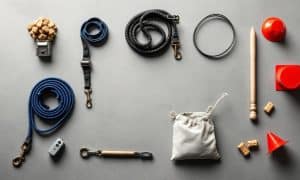
Quality tools make grooming more effective and comfortable for your dog. Must-have top-rated grooming tools for dogs include professional clippers, slicker brushes, nail grinders, grooming scissors, and deshedding tools.
Now that you have all the necessary tools, let’s move on to the step-by-step grooming process to keep your furry friend looking their best.
How to Groom Your Dog Step by Step
Brush Your Dog’s Coat
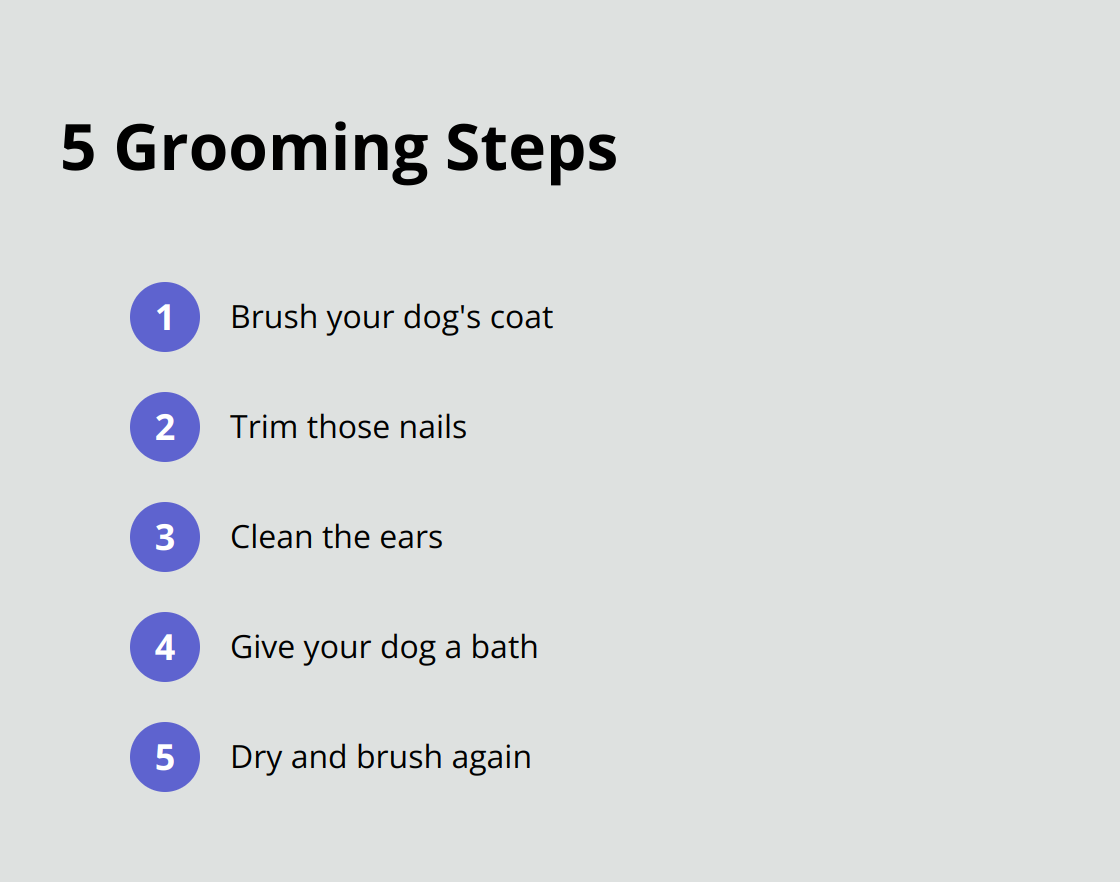
Start your grooming session with a thorough brush. This step removes loose fur, dirt, and debris while distributing natural oils. Use a rubber brush in circular motions for short-haired breeds. Long-haired dogs need a pin brush; work from the skin outward to prevent matting. Professional grooming may be required every 4-6 weeks for certain breeds to maintain their coat’s length and style.
Trim Those Nails
Tackle your dog’s nails next. Untrimmed nails can curl and grow into your dog’s skin or paw pads, resulting in an infection and pain. Use dog-specific nail clippers and cut small amounts at a time to avoid the quick. If you’re unsure, ask your vet to show you the proper technique. File any rough edges with a dog nail file after clipping.
Clean the Ears
Don’t overlook ear care; it prevents infections. Wipe the outer ear gently with a damp cloth or cotton ball. Never insert anything into the ear canal. If you notice redness, swelling, or a foul odor, consult your vet promptly. Some breeds (like Cocker Spaniels) need more frequent ear cleaning due to their ear structure.
Give Your Dog a Bath
Now it’s bath time. Use lukewarm water and dog-specific shampoo. Begin at the neck and work your way down, avoiding the eyes and ears. Rinse thoroughly to prevent skin irritation from leftover shampoo. Try oatmeal-based shampoos for dogs with sensitive skin. Most dogs only need a bath every 4-8 weeks (unless they get particularly dirty).
Dry and Brush Again
After bathing, towel dry your dog as much as possible. If your dog tolerates it, use a blow dryer on a low, cool setting. Once dry, brush the coat again to prevent tangles and remove any loose fur the bath may have loosened. This final brush also helps distribute natural oils, leaving the coat shiny and healthy.
Regular grooming not only keeps your dog looking great but also allows you to check for any skin issues or abnormalities. In our next section, we’ll address common grooming challenges and provide solutions to make the process smoother for both you and your furry friend.
Tackling Common Dog Grooming Challenges

Untangling Matted Fur
Matted fur plagues many long-haired breeds. Use a detangling spray and work through the mat with your fingers or a wide-toothed comb. For stubborn mats, a mat splitter or dematting tool can help. Work in small sections and maintain patience to avoid discomfort to your dog. If the mat sits too close to the skin or appears too large, seek professional help to prevent accidental injury to your pet.
Calming Anxious Dogs During Grooming
Many dogs experience anxiety during grooming sessions. Create a calm environment by playing soft music and using lavender-scented products (which have shown calming effects on dogs). Introduce grooming tools gradually and reward your dog with treats for positive behavior. For severely anxious dogs, a grooming hammock or harness can provide a sense of security. The Thundershirt, which applies gentle pressure, has reduced anxiety in some dogs during grooming sessions.
Managing Heavy Shedders
Heavy shedding frustrates many pet owners. Some pet groomers have found that toothed blades removed from electric grooming shears can be effective for removing shed hair from dogs. Add omega-3 fatty acids to your dog’s diet to promote a healthy coat and reduce excessive shedding. Brush your dog outdoors to contain the mess. For breeds like Huskies or German Shepherds, an undercoat rake during shedding season can remove loose fur more effectively.
Addressing Skin Irritations
Skin irritations make grooming uncomfortable for your dog. Consult your veterinarian before grooming if you notice hot spots or other skin issues. For minor irritations, use a hypoallergenic, oatmeal-based shampoo to soothe the skin. Avoid hot water during baths, as it can worsen skin problems. After bathing, apply a dog-specific leave-in conditioner to moisturize the skin and reduce itching. Regular brushing can also distribute natural oils and prevent skin issues.
Grooming Dogs with Special Needs
Dogs with physical limitations or sensitivities require extra care during grooming. For older dogs or those with arthritis, use a non-slip mat and take frequent breaks to avoid discomfort. Approach deaf dogs from the front and use hand signals to communicate. For blind dogs, talk softly throughout the grooming process to keep them calm and oriented. If your dog has specific health issues, consult with your veterinarian for tailored grooming advice.
Final Thoughts
Regular grooming plays a vital role in responsible dog ownership. It contributes to your pet’s health and well-being while transforming grooming sessions into bonding experiences. Our dog grooming tips and tricks will help you master essential steps like brushing, nail trimming, ear cleaning, and bathing.
Consistency forms the foundation of effective grooming. You should establish a routine that suits both you and your dog, taking into account their breed, coat type, and individual needs. Regular sessions prevent matting, reduce shedding, and maintain healthy skin and coat (while allowing you to check for potential health issues).
At DogingtonPost, we strive to help you provide the best care for your canine companion. Our platform offers extensive information on dog care, including detailed grooming guides and expert advice. With patience and practice, you’ll soon groom your dog like a pro, strengthening your bond in the process.