
“This post contains affiliate links, and I will be compensated if you make a purchase after clicking on my links.”
Is your furry friend carrying a few extra pounds? At DogingtonPost, we understand the challenges of helping your dog shed excess weight safely.
Canine obesity is a growing concern, affecting not just your pet’s appearance but also their overall health and quality of life. In this article, we’ll share effective dog weight loss tips to help your four-legged companion achieve and maintain a healthy weight.
Why Your Dog’s Weight Matters
The Hidden Dangers of Canine Obesity
Excess weight in dogs isn’t just a cosmetic issue – it’s a serious health concern. Overweight dogs face a higher risk of developing life-threatening conditions. In North America, 25-30% of dogs are obese, with 40-45% of 5-11 year olds overweight. Obesity in dogs can lead to type 2 diabetes, heart disease, and osteoarthritis – conditions that can shorten your pet’s lifespan by up to three years.

Common Causes of Weight Gain in Dogs
Several factors contribute to weight gain in dogs. Overfeeding stands out as a common culprit, with many owners unaware of proper portion sizes. Weight-loss diets typically have fewer calories per cup or per 100 grams so that your pet can still have a decent volume of food but consume fewer calories. Lack of exercise also plays a key role. An increase in daily walking time by 10-15 minutes can help burn extra calories.
Benefits of Maintaining a Healthy Canine Weight
A healthy weight doesn’t just help dogs avoid health risks – it enhances their overall quality of life. Dogs at an optimal weight display more energy, better mobility, and often improved mood. They’re also less likely to develop joint problems, which allows them to enjoy physical activities well into their senior years.
How to Assess Your Dog’s Weight
One practical way to determine if your dog is overweight involves using a Body Condition Score (BCS) chart. This visual guide helps you evaluate whether your dog is at an ideal weight, underweight, or overweight. If you’re unsure how to use a BCS chart, your veterinarian can guide you through the process during your next check-up.
The Role of Breed in Weight Management
It’s important to note that certain breeds (such as Labrador Retrievers, Dachshunds, and Golden Retrievers) have a genetic predisposition to obesity. This doesn’t mean these breeds are destined to be overweight, but it does highlight the need for extra vigilance in their diet and exercise routines.
Now that we understand the importance of maintaining a healthy weight for our canine companions, let’s explore how to create an effective weight loss plan tailored to your dog’s specific needs.
Creating a Tailored Weight Loss Plan for Your Dog
Consult Your Veterinarian
The first step to help your dog lose weight is to schedule a visit with your veterinarian. Your vet will perform a thorough health assessment and rule out any underlying medical conditions that might contribute to weight gain. This professional evaluation forms the foundation of an effective weight loss strategy.
Discuss Your Dog’s Lifestyle
During your vet visit, provide detailed information about your dog’s current diet, exercise routine, and lifestyle. Your vet will use this information, along with your dog’s age, breed, and health status, to develop a personalized weight loss plan. They’ll also determine your dog’s ideal weight and body condition score, which will serve as a baseline for tracking progress.
Set Realistic Weight Loss Goals
A safe and sustainable rate of weight loss for dogs is typically 3-5% of their body weight per month. For instance, if your dog weighs 50 pounds, try to achieve a loss of 1.5 to 2.5 pounds per month. Your vet might recommend a more conservative approach for severely obese dogs (this is especially important for dogs with existing health conditions).

Calculate Proper Calorie Intake
Determining your dog’s daily calorie needs is essential for weight loss. Most active dogs require about 30 calories per pound of body weight daily. However, for weight loss, this number needs to be reduced. Your vet will help determine the appropriate calorie restriction, typically ranging from 10-20% fewer calories than maintenance levels.
Implement Accurate Measurement Techniques
To put your dog’s weight loss plan into practice, use a kitchen gram scale to measure your dog’s food accurately. Cup measurements can be inconsistent and lead to overfeeding. Keep a food diary to track your dog’s intake, including treats (which should not exceed 10% of their total daily calories).
Weight loss is a gradual process that requires patience and consistency. Regular consultations with your veterinarian will help you and your vet monitor progress and make necessary adjustments to the plan. Now that you have a solid weight loss plan in place, let’s explore effective strategies to implement this plan and support your dog’s journey to a healthier weight.
How to Help Your Dog Lose Weight Effectively
Implementing a successful weight loss plan for your dog requires a multifaceted approach. Here are some key strategies to help your furry friend shed those extra pounds:

Select the Right Low-Calorie Dog Food
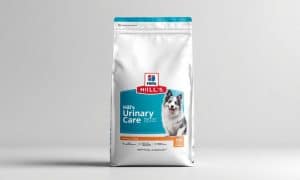
The selection of an appropriate diet plays a key role in your dog’s weight loss success. Choose high-quality, low-calorie dog foods rich in protein and fiber. These nutrients help your dog feel full while consuming fewer calories. Weight-loss dog food should generally have fewer calories per cup to help your dog lose weight.
When you shop for dog food, look for options labeled as “weight management” or “light.” These formulations typically have a higher protein-to-fat ratio, which helps preserve lean muscle mass during weight loss. Always check the nutritional information and ingredient list to ensure the food meets your dog’s specific needs.
Control Portions and Schedule Meals
Portion control is essential for weight loss. Use a kitchen scale to measure your dog’s food accurately. This method provides far more precision than measuring cups, which can lead to overfeeding.
Divide your dog’s daily food allowance into two or three smaller meals throughout the day. This approach helps maintain stable blood sugar levels and reduces begging behavior. Feeding your dog a diet high in protein can help them maintain their muscles and body weight better. Consider the use of puzzle feeders or slow-feed bowls to make mealtimes more engaging and extend the duration of each feeding session.
Provide Healthy Treats and Alternatives
Treats can quickly derail your dog’s weight loss efforts if not managed properly. Limit treats to no more than 10% of your dog’s daily calorie intake.
Replace high-calorie commercial treats with healthier alternatives. Raw vegetables like carrots, green beans, or cucumber slices make excellent low-calorie snacks. You can also use small pieces of lean meats as high-value rewards during training sessions.
Boost Physical Activity and Exercise
Regular exercise burns calories and maintains muscle mass. Try to include at least 30 minutes of physical activity daily, adjusting the intensity based on your dog’s fitness level and any health conditions.
Start with brisk walks and gradually increase the duration and pace. Swimming provides an excellent low-impact exercise for overweight dogs, especially those with joint issues. Engage your dog in interactive play sessions using toys that encourage movement, such as fetch or tug-of-war.
Consult your veterinarian before you start any new exercise regimen, especially if your dog has existing health problems or is severely overweight.
Final Thoughts
You can help your dog lose weight with dedication and patience. Our dog weight loss tips provide a roadmap to improve your pet’s health and quality of life. A veterinarian should supervise the process to ensure safe and effective weight loss for your furry friend.
Stick to the established feeding schedule, portion sizes, and exercise routine. You will encounter setbacks, but don’t lose heart. Track your dog’s progress and celebrate small victories to stay motivated throughout the journey.
We at DogingtonPost want to support you in every aspect of your dog’s well-being. Visit our website for comprehensive resources on dog health and care. Your canine companion deserves to lead a happy, healthy, and active life at their optimal weight.