
“This post contains affiliate links, and I will be compensated if you make a purchase after clicking on my links.”
Bringing a new puppy into a home with an existing dog can be both exciting and challenging. At DogingtonPost, we understand the importance of a smooth introduction to ensure harmony in your multi-dog household.
Our tips for bringing home a new puppy with another dog will help you navigate this crucial process step-by-step. From preparation to ongoing supervision, we’ll guide you through creating a positive environment for both your new puppy and your resident dog.
Setting the Stage for a Successful Introduction
Choosing the Perfect Meeting Spot
The location of the first encounter plays a key role in the introduction process. A neutral territory provides an ideal setting. By removing the potential for territorial behavior from the equation, dogs are more likely to focus on getting to know each other without the added stress. The American Society for the Prevention of Cruelty to Animals (ASPCA) suggests avoiding areas where either dog might feel the need to defend their turf.
Essential Supplies for a Smooth Introduction
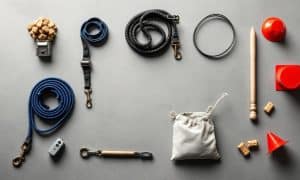
Before the big day, gather all necessary supplies. You’ll need:

Having these items on hand ensures you’re prepared for various scenarios during the introduction.
Health Check and Vaccination Status
It’s vital to confirm that both dogs are in good health and up-to-date on their vaccinations before the meeting. Puppies are more vulnerable to infections than older dogs, so make sure the pup is vaccinated before introducing them. The American Veterinary Medical Association emphasizes the importance of this step to prevent the spread of diseases. Schedule a vet check-up for your new puppy and ensure your resident dog’s vaccinations are current.
For puppies, complete the core vaccines, which typically include distemper, parvovirus, and rabies. Your resident dog should be current on these as well. This precaution not only protects both dogs but also gives you peace of mind during their interactions.
Mental Preparation for Both Dogs
In the days leading up to the introduction, help both dogs prepare mentally. For your resident dog, maintain their regular routine to minimize stress. For the new puppy, if possible, bring home an item with the resident dog’s scent to familiarize them with their future companion.
Patience is key throughout this process. Some dogs may hit it off immediately, while others might need more time to adjust (sometimes weeks or even months). These preparatory steps set the stage for a successful introduction and a harmonious multi-dog household.
Now that you’ve laid the groundwork for a smooth introduction, it’s time to move on to the actual meeting. The next chapter will guide you through the crucial first moments when your resident dog and new puppy come face to face.
The First Face-to-Face: Managing the Initial Meeting
Leash Control and Initial Approach
The moment of truth arrives – your resident dog and new puppy meet face-to-face. This interaction sets the tone for their future relationship, so manage it carefully.
Start with both dogs on leashes, held by separate handlers. This setup allows for quick separation if needed. Loose leashes are recommended. Tight leashes can create tension and anxiety in dogs, potentially leading to negative associations.
Begin the introduction at a distance where both dogs can see each other but aren’t close enough to make direct contact. Slowly walk them towards each other, watch their body language closely. If either dog shows signs of stress or aggression, increase the distance between them and try again more slowly.
The Power of Scent
Dogs primarily communicate through scent. Allow them to sniff each other briefly, but limit this initial interaction. Puppy owners need to continue providing socialization opportunities for the next several months, when the dog consolidates its learning.
After the brief sniff, call both dogs away and reward them with treats for responding. This positive reinforcement associates good things with the presence of the other dog.
Reading Canine Body Language
During the introduction, it’s important to watch for signs of positive interaction. The ASPCA provides a helpful guide on canine body language. Look for:

Conversely, be alert for signs of stress or aggression such as:
- Raised hackles
- Growling or snarling
- Whale eye (showing the whites of their eyes)
- Stiff body posture
If you notice these negative signs, calmly separate the dogs and try again later.
Positive Reinforcement
Throughout the meeting, use treats and calm praise to reward good behavior from both dogs. This technique, known as classical conditioning, helps create positive associations between the dogs.
A study published in the Journal of Veterinary Behavior found that positive reinforcement techniques significantly improved dog-to-dog interactions in multi-dog households.
This first meeting is just the beginning. It may take several short, controlled interactions before your resident dog and new puppy feel completely comfortable with each other. Patience and consistency are key to fostering a harmonious relationship between your canine companions.
Now that you’ve successfully managed the initial meeting, it’s time to focus on supervising interactions at home. The next chapter will guide you through this important phase of integrating your new puppy into your household.
Home Sweet Home: Navigating the First Days Together
Creating Safe Spaces
Set up separate areas for each dog. Your resident dog should have a familiar spot to retreat if overwhelmed. Create a cozy den-like space for the puppy using a crate or playpen. This gives them a secure area to rest and aids in house training.
The American Kennel Club suggests using baby gates to section off parts of your home. This allows both dogs to see and smell each other without direct contact, which builds familiarity and reduces stress.
Playtime Protocol
Supervise all interactions between your dogs, especially during the first few weeks. Keep initial play sessions short (around 10-15 minutes) to prevent overstimulation. Watch for signs of fatigue or frustration in either dog and separate them before tensions rise.
Parallel walks are recommended as a bonding activity. This involves walking both dogs side by side but with enough space between them to feel comfortable. It allows them to share a positive experience without direct interaction. The best way to introduce a new dog to your dog is to take a parallel walk on neutral territory, spending 30-60 minutes on this, with longer being better.
Mealtime Management
Feed your dogs separately to prevent food-related conflicts. Use different rooms or create a barrier between feeding areas. This practice avoids potential aggression and allows each dog to eat without stress.
The Association of Professional Dog Trainers advises against free-feeding in multi-dog households. Instead, establish set mealtimes and remove food bowls after eating to reduce resource guarding behaviors.
Gradual Integration
Increase the time your dogs spend together slowly. Start with short, supervised sessions and extend the duration as they become more comfortable. Pay attention to both dogs’ body language during these interactions.
A study aimed to assess the effectiveness of correct information on puppy management in preventing the onset of undesirable behaviors in adult dogs. This research highlights the importance of proper integration and management techniques.

Throughout this process, maintain your resident dog’s routine as much as possible. This consistency provides a sense of normalcy amidst the changes. For the puppy, establish a new routine that aligns with the household schedule.
Patience is key during this transition period. Some setbacks are normal, but with consistent supervision and positive reinforcement, most dogs learn to coexist peacefully (and even form strong bonds) over time. Maintaining good digestion for both dogs can help ensure they stay healthy and comfortable during this adjustment period.
Final Thoughts
Introducing a new puppy to your resident dog requires careful planning and consistent positive reinforcement. Our tips for bringing home a new puppy with another dog provide a solid foundation for success. You must choose a neutral meeting location, gather essential supplies, ensure both dogs’ health, and manage the initial introduction properly.
Creating safe spaces, supervising interactions, and gradually increasing time spent together will help foster a positive relationship between your dogs. Patience plays a vital role throughout this process, as some dogs form instant bonds while others need more time to adjust. You should consistently reward calm behavior and positive interactions to reinforce the desired relationship between your dogs.
If you encounter persistent issues, don’t hesitate to seek professional help from a certified dog trainer or behaviorist. At DogingtonPost, we offer resources on dog care, health, and behavior to support you through every step of your dog ownership journey. Stay informed and attentive to your dogs’ needs to create a happy, balanced multi-dog home.