
“This post contains affiliate links, and I will be compensated if you make a purchase after clicking on my links.”
At DogingtonPost, we know that keeping our furry friends safe is a top priority for every pet owner.
With countless potential hazards lurking both inside and outside the home, it’s essential to be well-informed about dog safety tips. This comprehensive guide will provide you with practical strategies to protect your canine companion from various risks.
Let’s explore the key areas of focus to ensure your dog’s well-being and give you peace of mind.
How to Dog-Proof Your Home
Creating a safe home environment for your dog prevents many accidents and health issues. Let’s explore practical steps to secure your living space for your furry friend.
Identify and Remove Hazards
Start by examining your home from your dog’s perspective. This view helps you spot potential dangers. Remove or secure loose wires, small objects, and toxic plants. Common houseplants like lilies, aloe vera, and sago palms can kill dogs. (The ASPCA offers a comprehensive list of toxic plants, which serves as an excellent resource for dog owners.)

Store cleaning supplies, medications, and chemicals in high cabinets or use childproof locks. Exercise extra caution with antifreeze, which tastes sweet to dogs but is extremely toxic. Even a small amount can prove fatal.
Secure Your Windows and Doors
Install sturdy screens on windows to prevent falls, especially in multi-story buildings. High-rise syndrome in pets can be dangerous, with about a third of cats not surviving without veterinary help after falling from a high-rise building. Check that all window screens can withstand your dog’s weight.
Use baby gates to block off dangerous areas, such as staircases or rooms with valuable items. Select gates designed specifically for pets, as they offer more durability and stability.
Create a Dog-Friendly Outdoor Space
Transform your yard into a safe haven for your dog. Ensure your fence stands tall enough to prevent escapes. Patch any holes or gaps that your dog might squeeze through. (The American Kennel Club suggests a fence height of at least 6 feet for most breeds.)
Eliminate toxic plants from your garden. Common outdoor plants like azaleas, rhododendrons, and certain mushrooms can harm dogs. Replace these with dog-friendly alternatives such as sunflowers or marigolds.
Consider establishing a designated potty area with pet-friendly materials. This approach keeps your yard cleaner and reduces the risk of your dog ingesting harmful lawn chemicals.
Provide Safe Chew Toys
Offer your dog appropriate chew toys to prevent them from gnawing on furniture or other household items. Choose toys that match your dog’s size and chewing habits. Avoid toys with small parts that could pose a choking hazard.
Create a Cozy Retreat
Set up a comfortable space where your dog can relax and feel secure. This area might include a soft bed, favorite toys, and a water bowl. Having a designated safe space helps reduce anxiety and provides a retreat during stressful situations.
These steps create a safer environment for your dog to thrive. Now, let’s move on to discuss outdoor safety measures that will protect your furry friend beyond the confines of your home.
Keeping Your Dog Safe Outdoors
Leash Training for Safety
A leash is your dog’s lifeline during walks. 60% of dog owners have driven while distracted by their pets as passengers, highlighting the importance of proper restraints. Invest in a sturdy, comfortable leash and collar or harness that fits your dog properly. Practice leash training regularly to reinforce good walking habits.

For added security, use a hands-free leash for hiking with your dog. These leashes attach around your waist, leaving your hands free while keeping your dog close. Always follow local leash laws and keep your dog on a leash in public areas, even if they’re well-behaved.
Identification: Your Dog’s Ticket Home
Proper identification is essential if your dog gets lost. Pets with microchips are three times more likely to be reunited with their families compared to those without. Equip your dog with a collar featuring an ID tag that includes your current contact information. For added protection, microchip your dog.
Update your contact information with the microchip registry whenever you move or change phone numbers. This simple step can make all the difference in reuniting with your lost pet.
Weather-Wise Outings
Extreme weather conditions pose significant risks to your dog’s health. In hot weather, limit outdoor activities to cooler parts of the day, typically early morning or evening. The American Kennel Club warns that asphalt can reach temperatures up to 140°F on a 95°F day, potentially burning your dog’s paw pads. Always check the ground temperature with your hand before walking your dog on hot surfaces.
During cold weather, watch for hypothermia and frostbite risks, especially for short-haired breeds. The American Society for the Prevention of Cruelty to Animals recommends dressing small or short-haired dogs in a sweater or coat for winter walks. Additionally, wipe your dog’s paws after walks to remove any ice, salt, or chemicals that could be harmful if ingested.
Safe Play Areas
Choose safe locations for your dog to play and exercise. Avoid areas with heavy traffic, unfenced spaces near roads, or places with potential hazards like broken glass or toxic plants. (Dog parks can be great for socialization, but always supervise your dog closely and be prepared to intervene if play becomes too rough.)
Wildlife Awareness
Be aware of local wildlife that could pose a threat to your dog. In some areas, coyotes, snakes, or even large birds of prey might see small dogs as potential targets. Keep your dog close and be alert to your surroundings, especially in natural settings or during dawn and dusk when many wild animals are most active.
These outdoor safety measures significantly reduce the risks associated with taking your dog outside. However, your dog’s health and wellness are equally important to ensure they’re prepared for outdoor adventures. Let’s explore some essential health precautions in the next section.
Proactive Pet Health Management
Regular Veterinary Check-ups
Annual wellness examinations are recommended for the average adult dog, while puppies require more frequent check-ups. These visits allow vets to detect issues early, potentially saving thousands in treatment costs. Regular check-ups often catch problems before they become severe, leading to better outcomes for your pet.
Dental care is often overlooked but essential. Brush your dog’s teeth daily if possible, or at least three times a week. Use dog-specific toothpaste as human toothpaste can be toxic to dogs. Regular dental care prevents periodontal disease, which affects a significant number of dogs, with prevalence varying between studies.
Nutrition: The Foundation of Health
A balanced diet tailored to your dog’s age, size, and activity level is essential. The Association for Pet Obesity Prevention reports that 56% of dogs in the United States are overweight or obese, leading to numerous health issues. Measure your dog’s food and treat intake, and adjust portions based on their body condition score.

Consider adding supplements to your dog’s diet, but always consult with your vet first. Omega-3 fatty acids improve coat health and reduce inflammation, while glucosamine and chondroitin may benefit dogs with joint issues.
Emergency Preparedness
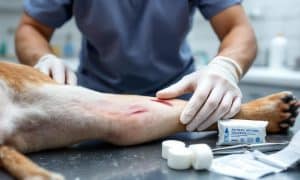
Learn pet first aid to make a critical difference in emergencies. The American Red Cross offers pet first aid courses that cover everything from CPR to wound care. Keep a pet first aid kit in your home and car. Include items like gauze, non-stick bandages, hydrogen peroxide, and a digital thermometer.
Know the signs of common emergencies. Bloat, for example, can be fatal if not treated quickly. Symptoms include a swollen abdomen, unsuccessful attempts to vomit, and restlessness. If you suspect bloat, seek immediate veterinary care.
Preventive Care Measures
Implement a flea and tick prevention regimen as recommended by your veterinarian. These parasites not only cause discomfort but can also transmit serious diseases. Regular use of preventive treatments protects your dog from a host of potential health issues.
Keep your dog’s vaccinations up to date. Core vaccines protect against diseases like rabies, distemper, and parvovirus. Your vet can advise on non-core vaccines based on your dog’s lifestyle and risk factors.
Final Thoughts
Dog safety tips require constant attention and proactive measures. You must remove hazards, secure your living space, and provide appropriate toys and comfort areas for your furry friend. When outdoors, always use a leash, ensure proper identification, and watch for weather conditions and potential wildlife encounters.
Regular veterinary check-ups, a balanced diet, and emergency preparedness form the foundation of your dog’s health management. You can significantly reduce the risks your dog faces and create a safer, happier life for your canine companion. Safety is an ongoing commitment, so you should continually reassess and adapt your safety measures as your dog grows and your environment changes.
Stay informed about the latest developments in pet care and safety by regularly visiting trusted resources like DogingtonPost. Our platform offers information on dog health, nutrition, and lifestyle, which helps you make informed decisions about your pet’s well-being. A safe dog is a happy dog, and a happy dog makes for a joyful home.