
“This post contains affiliate links, and I will be compensated if you make a purchase after clicking on my links.”
The Animal Welfare Act of 1966 stands as a cornerstone of animal protection legislation in the United States. At DogingtonPost, we believe it’s essential for pet owners to understand this landmark law and its far-reaching implications.
This groundbreaking act set the stage for how animals are treated in research, commerce, and exhibition. In this post, we’ll break down the key aspects of the Animal Welfare Act and explore its impact on animal care standards across various industries.
Understanding the Animal Welfare Act of 1966
Introduction to the Act
The Animal Welfare Act of 1966 represents a landmark in U.S. animal protection legislation. This federal law was signed into law by President Lyndon B. Johnson on August 24, 1966. It establishes minimum standards for the treatment of animals in research, exhibition, transport, and by dealers. Congress enacted this groundbreaking legislation in response to growing public concern about animal welfare, particularly in scientific research settings.
Purpose and Scope
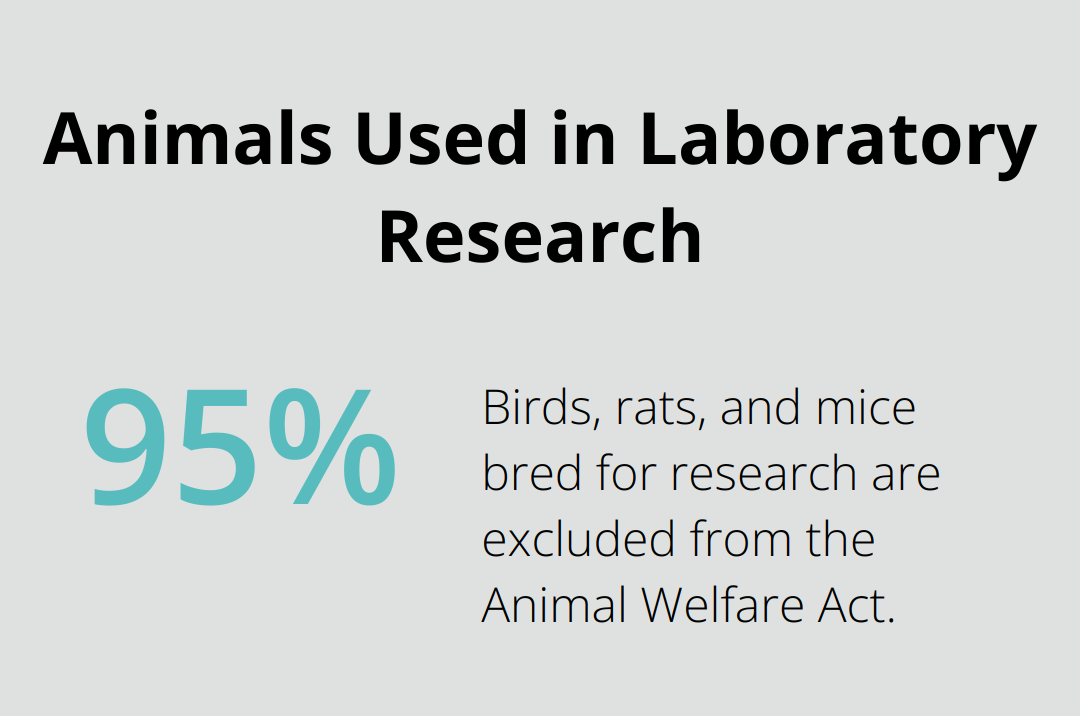
The Animal Welfare Act aims to ensure humane treatment of animals across various industries. It covers a wide range of warm-blooded animals, including dogs, cats, primates, guinea pigs, hamsters, and rabbits. However, the Act excludes birds, rats, and mice bred for research purposes (which account for about 95% of animals used in laboratories).
The Act applies to research facilities, dealers, exhibitors, and animal transporters. It sets standards for housing, handling, sanitation, nutrition, water, veterinary care, and protection against harm. These regulations minimize animal suffering while allowing necessary scientific research and other legitimate animal uses.
Key Provisions and Amendments
Since its inception, the Animal Welfare Act has undergone several amendments to expand its scope and strengthen its provisions:
- The 1970 amendment broadened the definition of “animal” to include all warm-blooded animals used for research or exhibition.
- In 1976, the Act regulated animal transportation and prohibited animal fighting ventures.
- The 1985 Improved Standards for Laboratory Animals Act required research facilities to establish Institutional Animal Care and Use Committees (IACUCs) to oversee animal welfare in research settings. It also mandated adequate veterinary care and consideration of alternatives to painful procedures.
Enforcement and Oversight
The U.S. Department of Agriculture’s Animal and Plant Health Inspection Service (APHIS) enforces the Animal Welfare Act. APHIS conducts regular inspections of facilities to ensure compliance with the Act’s standards. In 2022, APHIS performed inspections across 50 states and 26 countries, demonstrating the agency’s commitment to enforcing animal welfare regulations.
Violations of the Act result in significant penalties. Fines for non-compliance range from $10,000 per violation for research facilities to $11,000 per violation for other regulated entities. In severe cases, APHIS can suspend or revoke licenses, effectively shutting down operations that consistently fail to meet the required standards.
Ongoing Challenges
While the Animal Welfare Act has improved conditions for many animals, it faces criticism. Some argue that the Act doesn’t protect animals enough, particularly those used in research. Others point out that the exclusion of birds, rats, and mice from the Act’s protection leaves a significant gap in animal welfare legislation.
As we move forward, the Animal Welfare Act will likely continue to evolve. The next section will explore how this landmark legislation impacts animal research and testing, shaping the practices of scientific institutions across the country.
How the Animal Welfare Act Impacts Animal Research
Research Facility Regulations
The Animal Welfare Act (AWA) has transformed animal research practices in the United States. This legislation covered the transport, sale, and handling of animals and provided for licensing of animal dealers to prevent pet theft and their sale to research facilities.
Research facilities that use AWA-covered animals must register with the USDA and follow specific standards. APHIS officials conduct unannounced inspections of these facilities.
Each facility must establish an Institutional Animal Care and Use Committee (IACUC) to oversee animal welfare. These committees review research protocols to minimize animal pain and distress.
Animal Care Standards
The AWA mandates specific care standards for research animals, including appropriate housing, handling, sanitation, nutrition, water, veterinary care, and protection from harm. For instance, the Act requires primates to have access to environmental enrichment for their psychological well-being.
Reporting and Inspections
The USDA requires research facilities to submit annual reports detailing their animal use. These reports include the number and species of animals used, and whether procedures caused pain or distress.
APHIS conducts regular inspections to ensure compliance. Facilities found in violation face fines and potential loss of funding.
Challenges and Controversies
Despite the AWA’s improvements to research animal welfare, challenges persist. The exclusion of rats, mice, and birds (which comprise about 95% of animals used in research) from AWA protection remains a significant concern.
Some argue that the AWA’s standards lack stringency.
As research practices evolve, animal welfare regulations must adapt. The scientific community and policymakers continue to discuss expanding AWA protections and refining research protocols to further minimize animal suffering while advancing scientific knowledge.
The impact of the Animal Welfare Act extends beyond research facilities. In the next section, we’ll explore how this landmark legislation affects animals in commerce, including those in breeding, dealing, and exhibition industries.
How the Animal Welfare Act Protects Animals in Commerce
The Animal Welfare Act (AWA) extends its protective reach beyond research facilities to safeguard animals involved in commercial activities. This includes animals bred for sale, exhibited in zoos or circuses, or transported across state lines. The U.S. Department of Agriculture’s Animal and Plant Health Inspection Service (APHIS) enforces these regulations, conducting over 8,000 inspections annually to ensure compliance.
Breeding and Dealing Regulations
Breeders and dealers who handle AWA-covered species must obtain a USDA license and adhere to strict standards. These standards encompass proper housing, veterinary care, and record-keeping. Dog breeders with more than four breeding females must obtain a license and undergo regular inspections. In 2022, APHIS conducted over 3,000 inspections of licensed breeders and dealers, which resulted in 120 enforcement actions for non-compliance.

The AWA also addresses the issue of puppy mills. It requires breeding dogs to have adequate space, exercise, and socialization. However, critics argue that these standards remain too lenient. In 2024, more than 800 animal welfare violations were documented at USDA licensed commercial dog breeding facilities but not a single dog was removed.
Exhibition Standards
Zoos, circuses, and other animal exhibitors must comply with AWA regulations. These include providing appropriate enclosures, nutrition, and veterinary care. The AWA mandates that exhibited animals have sufficient space to express natural behaviors. For example, the minimum space requirement for a tiger in captivity is 12 square feet per animal.

Recent years have seen increased scrutiny on the use of animals in entertainment. Several major circus companies have phased out elephant acts in response to public concern and stricter AWA enforcement. The Ringling Bros. and Barnum & Bailey Circus retired their last elephants in 2016, which marked a significant shift in the industry. In 2014, it won a $16m settlement, and in 2011 the USDA fined it $270,000 for Animal Welfare Act violations.
Transportation Regulations
The AWA sets stringent standards for animal transportation. Carriers must provide food, water, and rest at specific intervals during transit. Dogs and cats must receive food at least once every 24 hours and water every 12 hours. The law also mandates appropriate temperature control, with most species requiring temperatures between 45°F and 85°F during transport.
APHIS works closely with airlines and shipping companies to ensure compliance. In 2021, they investigated over 200 cases of potential AWA violations related to animal transport, which led to improvements in industry practices.
Penalties for Non-Compliance
Non-compliance with AWA regulations can result in severe penalties. Fines can reach up to $10,000 per violation, per animal, per day. In extreme cases, APHIS can revoke licenses, which effectively shuts down non-compliant operations. In 2022, APHIS issued over $1.2 million in fines for AWA violations across all sectors.
The AWA has significantly improved animal welfare in commerce, but challenges remain. Enforcement resources are limited, and some argue that penalties are not severe enough to deter violations. Animal welfare organizations continue to advocate for stricter standards and more comprehensive protections.
Consumers play a crucial role in supporting businesses that prioritize animal welfare. Choosing to support ethical breeders, responsible exhibitors, and companies that adhere to AWA standards contributes to improved conditions for animals in commerce.
Final Thoughts
The Animal Welfare Act of 1966 reshaped animal care standards in research, commerce, and exhibition across the United States. This landmark legislation elevated animal welfare, increased accountability, and sparked ethical debates about our obligations to other species. However, the Act faces ongoing challenges, including the exclusion of certain animals and limited enforcement resources.
The future of animal welfare legislation will focus on addressing these shortcomings. Pressure mounts to expand the Act’s coverage and strengthen enforcement mechanisms. As our understanding of animal cognition evolves, we may see calls for more stringent welfare standards that address psychological well-being in addition to physical needs.
At DogingtonPost, we strive to keep our readers informed about animal welfare issues and provide resources for responsible pet ownership. Understanding the Animal Welfare Act and its implications allows us all to contribute to creating a more humane world for animals. The Act’s legacy reminds us of the progress made in recognizing animal welfare importance and the work that lies ahead.