
“This post contains affiliate links, and I will be compensated if you make a purchase after clicking on my links.”
At DogingtonPost, we believe understanding Animal Welfare Act regulations is essential for every pet owner and animal advocate.
The Animal Welfare Act, established in 1966, sets the standard for animal care in research, exhibition, transport, and by dealers.
This landmark legislation has undergone several amendments to expand its scope and strengthen protections for animals.
In this post, we’ll explore the key provisions of the Act, its enforcement, and its impact on animal welfare in the United States.
Understanding the Animal Welfare Act
Origins and Purpose
The Animal Welfare Act (AWA) stands as the foundation of animal protection in the United States. Congress enacted this federal law on August 24, 1966, to regulate the treatment of animals in research, exhibition, transport, and by dealers. The AWA is the only Federal law in the United States that regulates the treatment of animals in these contexts. The primary goal of the AWA is to ensure humane care and treatment for animals used across various sectors.
Evolution of Animal Protection
Since its inception, the AWA has undergone several significant amendments:
- 1970: The Act expanded to cover more animals and facilities.
- 1976: Provisions for the psychological well-being of primates and exercise for dogs were added.
- 1985: The law strengthened standards for laboratory animals, mandating the use of pain-relieving drugs in research.

The U.S. Department of Agriculture (USDA) enforces the AWA through its Animal and Plant Health Inspection Service (APHIS). This agency conducts regular inspections, issues licenses, and enforces penalties for non-compliance.
Protected Animals
The AWA covers warm-blooded animals used for research, exhibition, or as pets. This includes:
- Dogs
- Cats
- Monkeys
- Guinea pigs
- Hamsters
- Rabbits
It’s important to note that the AWA specifically excludes birds, rats, and mice bred for research, as well as farm animals used for food and fiber production.
Impact on Pet Owners
For pet owners, the AWA sets minimum standards for the care of animals in pet stores, shelters, and breeding facilities. When considering a new pet, we recommend you verify that the facility complies with AWA regulations. Licensed facilities should display their USDA license number prominently.
Business Compliance
Businesses dealing with animals (such as pet stores, animal shelters, and research facilities) must adhere to specific AWA guidelines. These include:
- Providing adequate housing
- Proper handling
- Maintaining sanitation
- Ensuring proper nutrition and water
- Offering veterinary care
- Protecting animals from harm
Failure to comply can result in fines, license revocation, and even criminal penalties.
As we move forward, it’s essential to examine the specific regulations and standards set forth by the Animal Welfare Act. These guidelines form the backbone of animal care practices across the United States and play a vital role in safeguarding the well-being of countless animals.
Key Animal Welfare Act Standards
The Animal Welfare Act (AWA) establishes specific regulations and standards to ensure humane handling, care, treatment, housing, and transportation of animals in various settings. These guidelines cover essential aspects of animal care, including housing, veterinary care, transportation, and breeding practices.
Housing and Living Conditions
The AWA requires animals to be housed in facilities that provide adequate space, shelter, and safety. Dog enclosures must allow each animal to turn around freely, stand, sit, and lie comfortably. The minimum floor space for dogs is calculated based on their length from nose tip to tail base, plus six inches, squared. This formula ensures sufficient room for larger breeds to move comfortably.
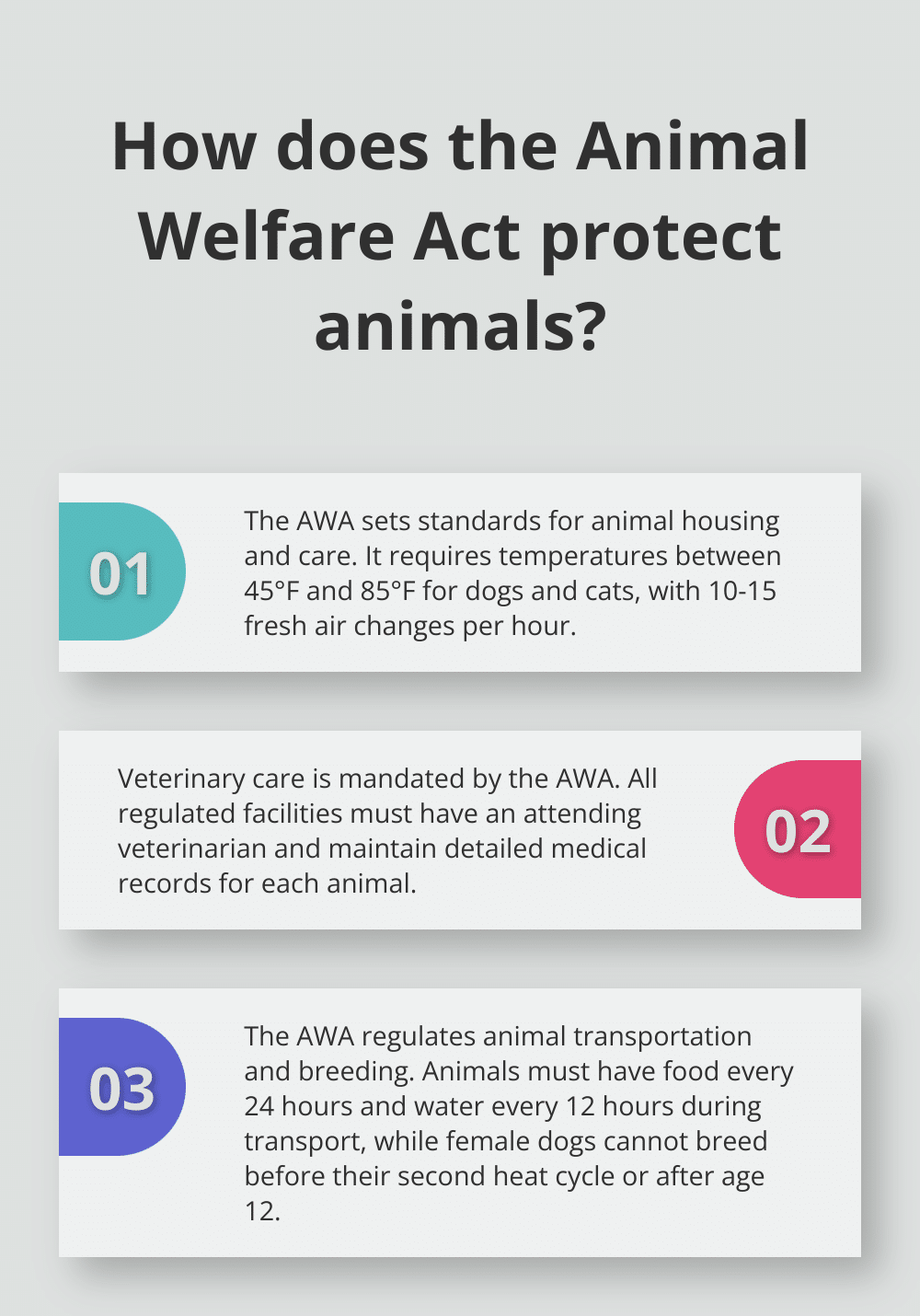
Temperature control is another critical factor. Animal housing facilities must maintain temperatures between 45°F and 85°F for dogs and cats (with provisions for animals that cannot tolerate this range). Proper ventilation is mandatory, with a minimum of 10-15 fresh air changes per hour in animal areas.
Veterinary Care Requirements
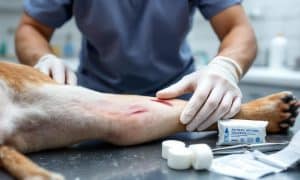
The AWA mandates all regulated facilities to have an attending veterinarian who provides adequate care to the animals. This includes regular examinations, disease prevention, and prompt treatment of injuries or illnesses.
Facilities must maintain detailed medical records for each animal (including vaccination histories, treatments, and health issues). These records must be readily available for USDA inspectors during their visits.
Transportation Guidelines
The AWA sets strict standards for animal transportation to ensure safety and comfort during travel. Carriers must provide animals with adequate space, ventilation, and protection from the elements. Primary enclosures for dogs and cats must be large enough for the animal to stand, sit erect, and lie naturally.
During transport, animals must have access to food at least once every 24 hours and water at least once every 12 hours. The AWA prohibits the transportation of animals in extreme temperatures (typically below 45°F or above 85°F), unless the animal is acclimated to such conditions.
Breeding and Sale Regulations
The AWA regulates commercial dog breeders who sell puppies to pet stores or directly to the public. Breeders with more than four breeding females who sell puppies sight unseen (such as over the internet) must obtain a USDA license. These licensed breeders undergo regular inspections to ensure compliance with AWA standards.
The Act also limits breeding frequency and age. Female dogs cannot breed before their second heat cycle or after 12 years of age. Additionally, females cannot produce more than three litters in a 24-month period.
While these regulations provide a baseline for animal welfare, many animal advocacy groups encourage potential pet owners to adopt from shelters or rescue organizations rather than purchase from breeders or pet stores. This approach not only provides a loving home to animals in need but also helps reduce the demand that fuels puppy mills and other substandard breeding operations.
As we move forward, it’s important to understand how these standards are enforced and the consequences of non-compliance. The next section will explore the role of the USDA in enforcing the Animal Welfare Act and the inspection process that ensures these standards are met.
How the USDA Enforces Animal Welfare
The USDA’s Role in Animal Welfare Act Enforcement
The U.S. Department of Agriculture (USDA) enforces the Animal Welfare Act (AWA) through its Animal and Plant Health Inspection Service (APHIS). APHIS conducts regular inspections, issues licenses, and imposes penalties on non-compliant facilities.
Inspection Process
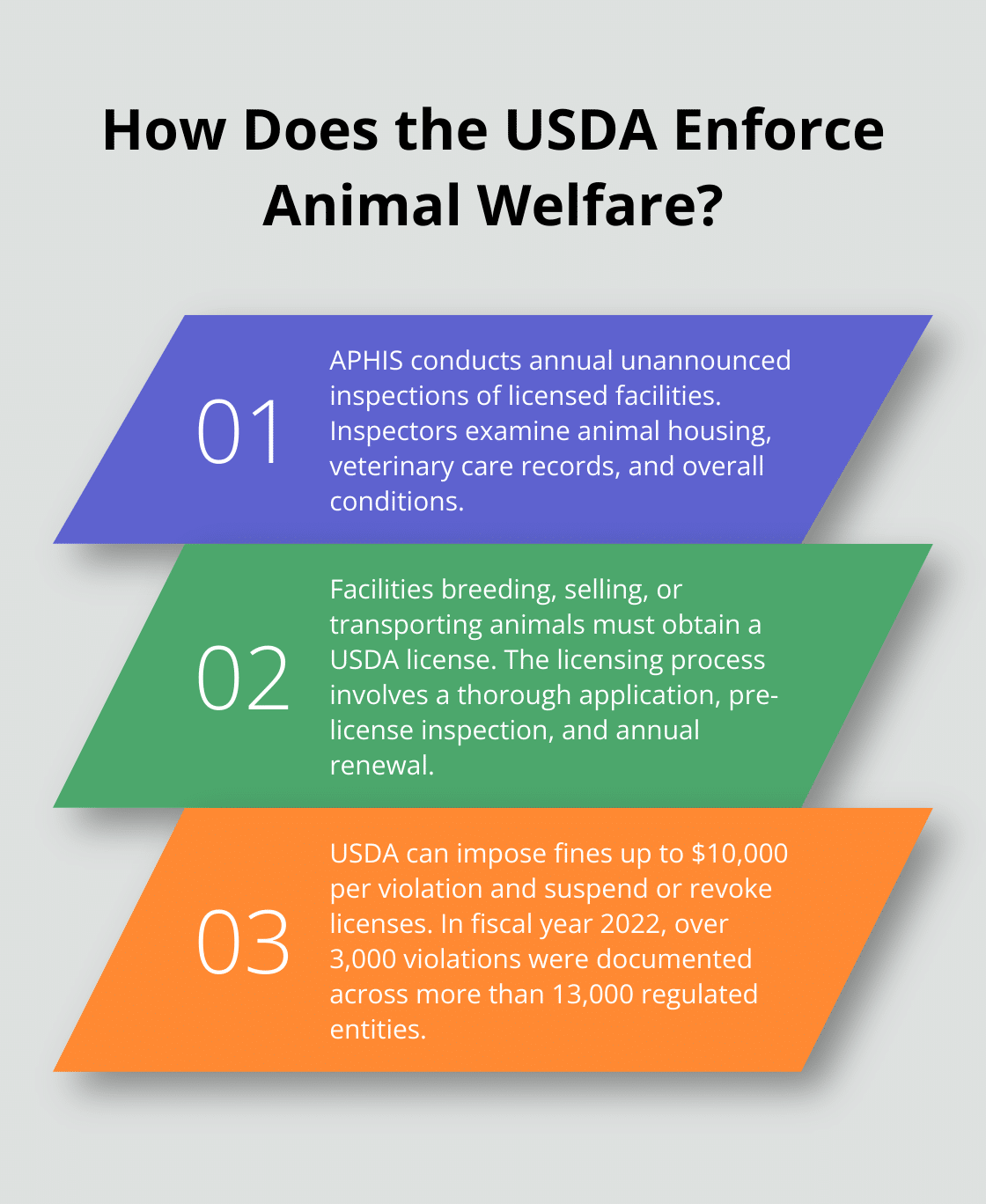
USDA Animal Care inspectors conduct routine, unannounced inspections of all entities licensed or registered under the Animal Welfare Act. These inspections occur at least once annually, with problem facilities facing more frequent checks. Inspectors examine animal housing, veterinary care records, and overall facility conditions.
Facilities found in violation receive a detailed report outlining necessary corrections and implementation deadlines.
Licensing Requirements
Individuals or businesses that breed, sell, or transport animals covered by the AWA must obtain a USDA license. This requirement applies to research facilities, exhibitors, and dealers. The licensing process involves a thorough application, pre-license inspection, and annual renewal.
Penalties for Non-Compliance
The USDA imposes significant penalties on facilities that violate AWA regulations. These penalties include:
- Monetary fines up to $10,000 per violation
- License suspension or revocation
- Cease and desist orders
- Criminal prosecution in severe cases
While the USDA documented over 3,000 violations across more than 13,000 licensed and regulated entities in fiscal year 2022, the agency filed only five formal enforcement actions. These actions aim to deter violations and encourage facilities to maintain high standards of animal care.
Public Transparency
The USDA maintains a public database of inspection reports and enforcement actions. This transparency allows consumers and animal welfare advocates to make informed decisions about supporting various facilities.
Potential pet owners can check a breeder’s inspection history before purchasing a puppy. Researchers can verify a laboratory’s compliance record when considering collaborations.
Final Thoughts
The Animal Welfare Act has transformed animal care standards in the United States. This landmark legislation has elevated the treatment of animals in research, exhibition, and commercial settings. However, challenges persist in enforcing Animal Welfare Act regulations consistently across all facilities.

We must expand the Act’s scope to cover more species and increase funding for enforcement. Public awareness and engagement play vital roles in driving positive change for animal welfare. Staying informed about these regulations empowers us to push for higher standards of care and more comprehensive protections.
At DogingtonPost, we strive to keep our readers informed about animal welfare issues. Our platform offers the latest news, care tips, and expert advice to enhance the lives of dogs (and their human companions). Together, we can shape a future where all animals receive the care and respect they deserve.