
“This post contains affiliate links, and I will be compensated if you make a purchase after clicking on my links.”
At DogingtonPost, we know that maintaining your dog’s urinary health is crucial for their overall well-being.
Urinary care dog food plays a vital role in managing and preventing bladder issues in our canine companions. This specialized nutrition can help reduce the risk of urinary tract infections, bladder stones, and other common urinary problems.
In this post, we’ll explore the best urinary care dog foods available and provide guidance on choosing the right option for your furry friend.
What Causes Urinary Issues in Dogs?
The Common Culprits: Infections and Stones
Urinary tract problems plague many dogs. Urinary tract infections (UTIs) stand out as a frequent issue. These infections cause discomfort, frequent urination, and sometimes blood in the urine. It has been estimated that approximately 14% of the canine population will face a UTI in their lifetime.

Bladder stones also trouble many pups. These mineral deposits form in the urinary tract, causing pain and potentially blocking urine flow. The American Kennel Club notes that certain breeds (like Dalmatians and Bulldogs) face a higher risk of developing stones.
The Power of Diet in Urinary Health
Food plays a significant role in managing urinary health. The right diet can prevent stone formation, reduce inflammation, and even dissolve existing stones in some cases.
Foods that promote acidic urine help prevent struvite stones. Diets low in calcium and oxalates may reduce the risk of calcium oxalate stones. Clinicians should recommend a diet with PARNUT (foodstuffs for particular nutritional uses) and ensure that owners do not select a grocery diet.
Key Nutrients for Bladder Health
Urinary care dog food should include these essential nutrients:
- High water content: Foods with high moisture help dilute urine, which reduces the concentration of stone-forming minerals.
- Controlled mineral levels: Balanced levels of magnesium, phosphorus, and calcium help prevent stone formation.
- Omega-3 fatty acids: These anti-inflammatory compounds reduce inflammation in the urinary tract.
- Antioxidants: Ingredients like cranberries and blueberries may prevent bacterial adhesion to the bladder wall.
The Pet Food Institute emphasizes that a balanced diet (tailored to your dog’s specific needs) maintains urinary health. Always consult with your vet before changing your dog’s diet, especially if they have existing urinary issues.
The Role of Hydration
Water intake significantly impacts urinary health. Proper hydration dilutes urine and flushes out toxins. Try to encourage your dog to drink more water by:
- Providing fresh, clean water at all times
- Using water fountains (some dogs prefer moving water)
- Adding water to dry food
The next section will explore top brands that specialize in urinary health formulas, helping you make an informed decision for your furry friend’s diet.
Top Urinary Care Dog Foods for Optimal Bladder Health
Royal Canin Urinary SO
Royal Canin Urinary SO stands out as a veterinary-exclusive diet formulated to address urinary health issues in dogs. Medical dissolution and decompression of upper urinary tract struvite uroliths should be considered a minimally invasive treatment for dogs. This food creates an environment that discourages crystal formation by increasing urine volume and decreasing urine specific gravity. It contains controlled levels of calcium, magnesium, and phosphorus (key minerals in managing urinary health).

This food comes in both dry and wet formulations, offering flexibility based on your dog’s preferences.
Hill’s Prescription Diet c/d Multicare
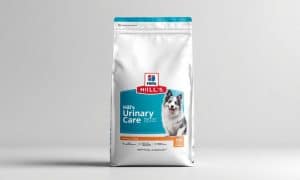
Hill’s Prescription Diet c/d Multicare offers another excellent option for dogs with urinary issues. This food reduces the risk of both struvite and calcium oxalate stones. It contains optimal levels of magnesium and phosphorus, along with controlled amounts of calcium and oxalate-forming components.
Feeding c/d Multicare was associated with an 89% reduction in the rate of recurrent urinary stones. The formula also includes high levels of omega-3 fatty acids from fish oil, which help reduce inflammation in the urinary tract.
Purina Pro Plan Veterinary Diets UR Urinary Ox/St
Purina Pro Plan Veterinary Diets UR Urinary Ox/St dissolves struvite stones and reduces the risk of both struvite and calcium oxalate stone formation. This food promotes a urinary environment unfavorable to stone formation by increasing urine volume and decreasing urine specific gravity.
A unique aspect of this food is its high palatability. In a study conducted by Purina, 87% of dogs preferred the UR Urinary Ox/St formula over other urinary diets. This can benefit picky eaters or dogs who resist switching to a therapeutic diet.
Blue Buffalo Natural Veterinary Diet W+U
Blue Buffalo Natural Veterinary Diet W+U focuses on both weight management and urinary care. This food suits overweight dogs with urinary issues, as excess weight can worsen urinary problems.
The W+U formula contains controlled mineral levels to support urinary health, while its high-quality protein and L-carnitine content support lean muscle mass and healthy weight. This food excludes by-product meals, artificial flavors, and preservatives, which may appeal to pet owners seeking more natural options.
The Importance of Veterinary Guidance
Your veterinarian should guide your choice of urinary care dog food. They can provide personalized recommendations based on your dog’s specific health needs, age, and any underlying conditions. These foods work best as part of a comprehensive treatment plan that may include other interventions such as increased water intake and regular check-ups.
As we move forward, let’s explore how to choose the right urinary care dog food for your furry friend and how to transition them safely to their new diet.
How to Select the Best Urinary Care Dog Food
Consult Your Veterinarian
Your vet should guide your choice of urinary care dog food. They know your dog’s health history and can recommend specific brands or formulas. Urinary issues in dogs can be complex, and the relationship between diet and urinary microbes has potential clinical relevance. Your vet might even suggest prescription dog food, which requires their authorization.
Read and Understand Dog Food Labels
Once you have recommendations, scrutinize labels. Look for these key elements:
- AAFCO statement: Check if the food meets AAFCO standards for complete and balanced nutrition.
- Ingredient list: The first few ingredients should be high-quality protein sources.
- Guaranteed analysis: Check for appropriate levels of protein, fat, and moisture.
- Specific urinary health claims: Search for phrases like “promotes urinary tract health” or “helps dissolve struvite stones.”

A 2022 study found that while 40% of owners understand pet food labels easily, 34.6% still find it somewhat difficult. Ask your vet to explain anything unclear.
Consider Your Dog’s Individual Needs
Every dog is unique. Consider your pup’s:
- Age: Senior dogs might need lower protein levels.
- Size: Smaller breeds often prefer smaller kibble sizes.
- Activity level: More active dogs may need higher calorie content.
- Existing health conditions: Dogs with multiple health issues need a diet that addresses all concerns.
Transition to the New Diet Safely
The American Kennel Club recommends a 7-10 day transition period. Start with 25% new food mixed with 75% old food, gradually increase the new food proportion. This method helps prevent digestive upset.
Monitor your dog closely during this transition. Watch for signs of improved urinary health (such as reduced frequency of urination or clearer urine). Also be alert for any adverse reactions like vomiting or diarrhea.
Enhance Palatability if Needed
The best food won’t help if your dog won’t eat it. If your pup turns their nose up at the new food, don’t force it. Try warming it slightly or mix in a small amount of low-sodium broth to enhance palatability.
Choosing the right urinary care dog food requires a process, not a one-time decision. Be prepared to adjust as your dog’s needs change over time.
Final Thoughts
Urinary care dog food plays a key role in maintaining your dog’s bladder health. These specialized formulas create an optimal urinary environment, control mineral levels, and provide essential nutrients that support overall urinary health. Selecting the best urinary care dog food for your pet involves careful consideration of your dog’s individual needs, consultation with your veterinarian, and a thorough understanding of ingredient labels.

A proactive approach to your dog’s bladder health through diet can prevent painful and potentially serious urinary conditions in the future. Diet, however, is just one part of a comprehensive approach to urinary health. Regular veterinary check-ups, proper hydration, and maintaining a healthy weight are equally important factors.
DogingtonPost provides the latest information and expert advice to help you make informed decisions about your dog’s health. For more resources on dog care, nutrition, and wellness, visit our comprehensive online platform. Our goal is to ensure our furry friends lead happy, healthy lives with strong urinary systems.