
“This post contains affiliate links, and I will be compensated if you make a purchase after clicking on my links.”
Dog bites can be scary and potentially dangerous. At DogingtonPost, we understand the importance of knowing how to care for dog bites properly.
Quick action and appropriate treatment are key to preventing complications and promoting healing. This guide will walk you through the essential steps to take when dealing with a dog bite, ensuring you’re prepared for any unexpected incidents.
How to Treat a Dog Bite Immediately
Clean the Wound Thoroughly
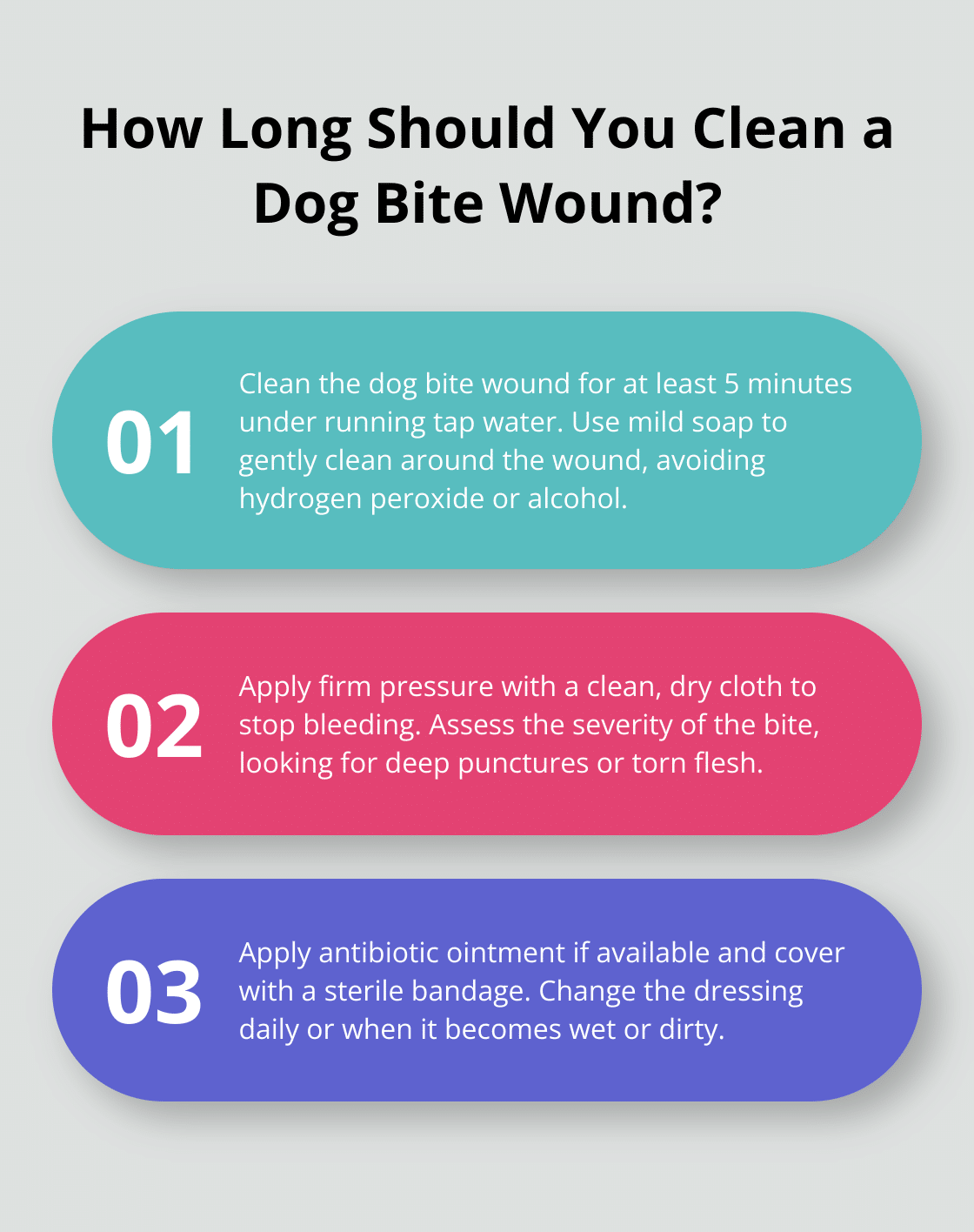
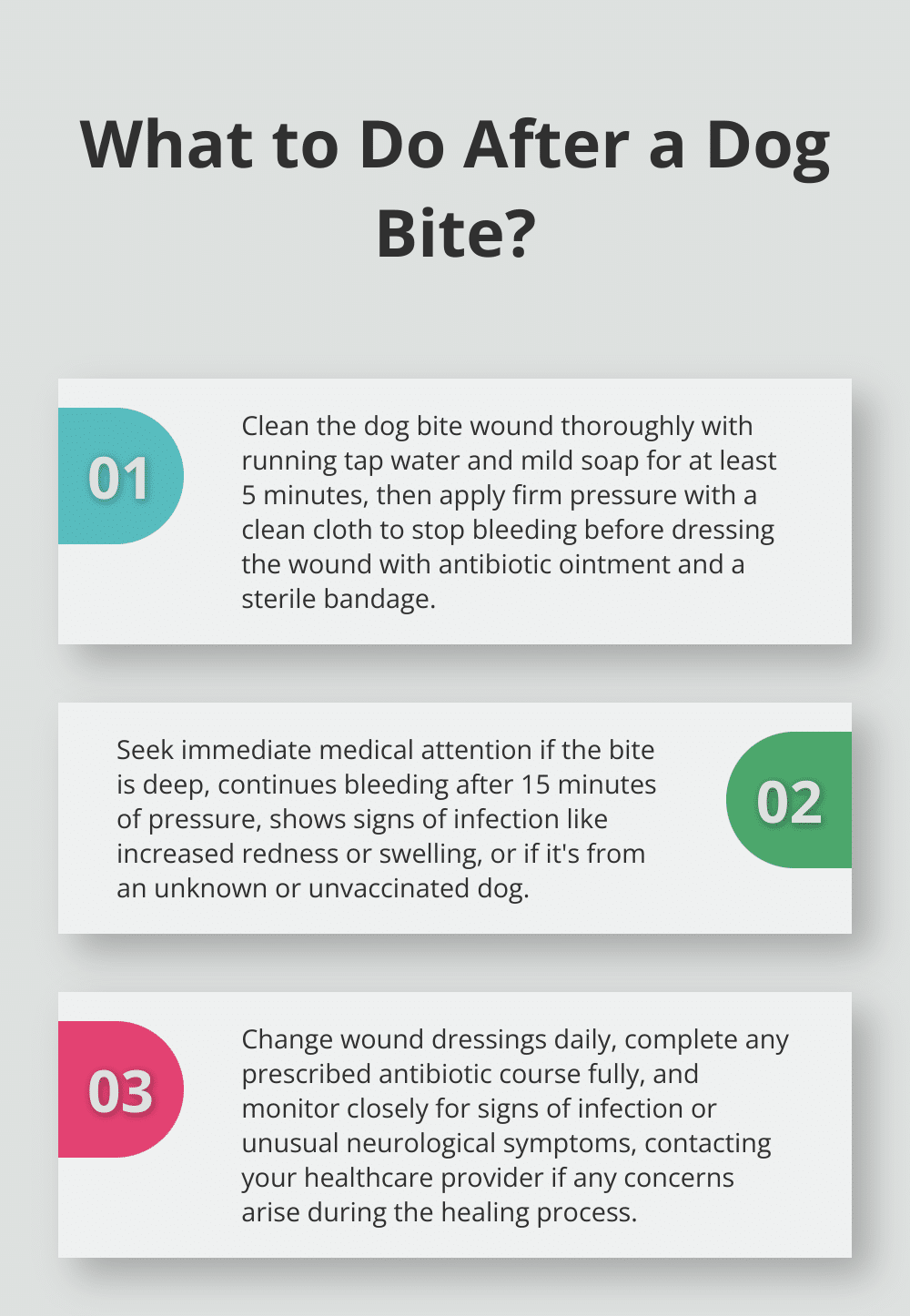
When a dog bite occurs, you must act quickly. The first 15 minutes after the incident are vital for infection prevention and proper healing. Start by washing your hands with soap and water. Then, rinse the bite wound under running tap water for at least 5 minutes. Use mild soap to clean around the wound gently, but take care not to irritate the injury further. Avoid using hydrogen peroxide or alcohol, as these can damage tissue and slow healing.
Control Bleeding and Assess Damage
After cleaning, apply firm pressure to the wound with a clean, dry cloth to stop any bleeding. While applying pressure, assess the severity of the bite. Look for deep punctures, torn flesh, or excessive bleeding that doesn’t stop with pressure.
Dress the Wound Properly
Once the bleeding stops, apply an antibiotic ointment (if available). Cover the wound with a sterile bandage or clean cloth. Change the dressing at least once daily or whenever it becomes wet or dirty.
When to Seek Medical Attention
For minor bites, these steps might suffice. However, don’t hesitate to seek medical attention if you’re unsure about the wound’s severity or if it’s in a sensitive area like the face or hands. Proper care is essential to prevent infection.
Monitor the Wound
These immediate steps are just the beginning of proper bite care. Keep a close eye on the wound in the days following the incident. Be prepared to seek further medical attention if you notice any signs of infection (such as increased redness, swelling, or discharge).
As we move forward, it’s important to understand when professional medical care becomes necessary. Let’s explore the situations that require immediate medical attention and the potential complications that can arise from dog bites.
When to Seek Medical Attention for a Dog Bite
Signs of Infection
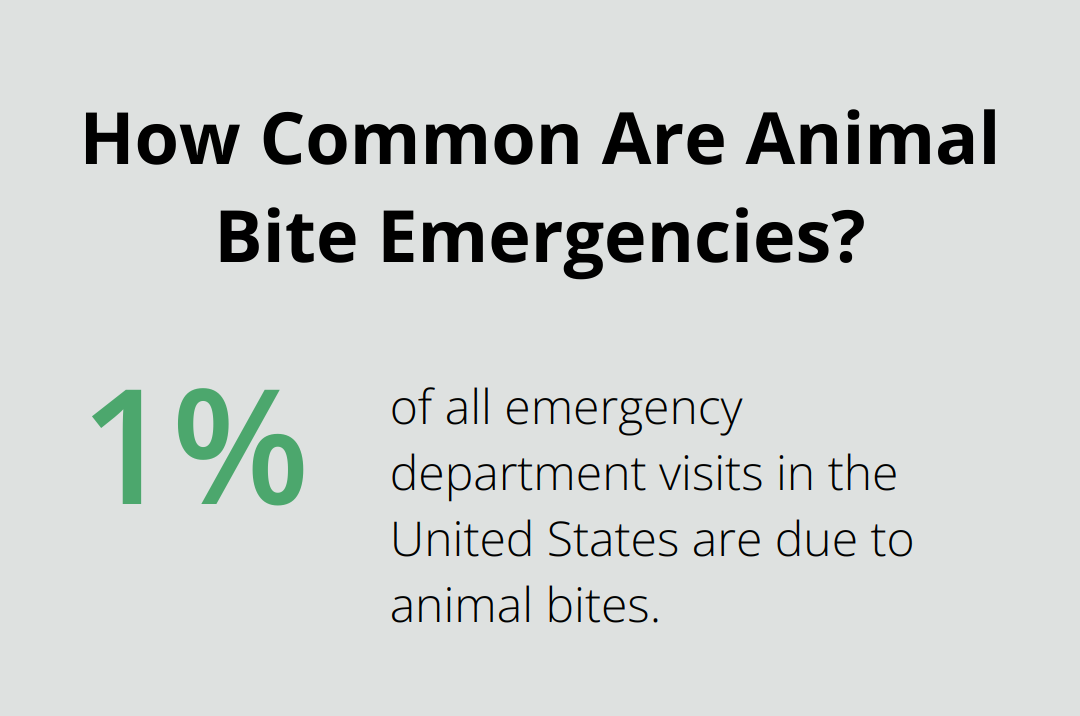
Dog bites can lead to infections. You should watch for increasing redness, swelling, or warmth around the bite area. Pus, an unpleasant odor, or fever indicate the need for medical care. Animal bites account for 1% of all emergency department visits in the United States and more than $50 million in health care costs per year, highlighting the importance of vigilance.
Severity of the Wound
Deep puncture wounds or severe lacerations require professional evaluation. These injuries might damage underlying tissues, tendons, or bones (which may not be immediately apparent). If bleeding continues after 15 minutes of applied pressure, or if you see muscle, fat, or bone, you should go to the emergency room immediately.
Critical Bite Locations
Bites to the face, hands, or feet cause particular concern. These areas contain complex structures and face a higher risk of infection. About one-third of bite accidents result from dogs biting maliciously without human provocation, while another third happen while victims are petting or handling the dogs.
Unknown or Unvaccinated Dogs
A bite from an unfamiliar dog or one with unknown vaccination status warrants immediate medical attention. While the risk of rabies remains low in the United States (due to vaccination programs), it still poses a serious threat. Your doctor will assess the need for rabies prophylaxis based on the bite circumstances and local rabies prevalence.
When in Doubt, Seek Help
You should not hesitate to consult a healthcare professional if you feel unsure about the bite’s severity or have any concerns. Prompt treatment can prevent serious complications and provide peace of mind. The next section will discuss long-term care and prevention of complications after a dog bite incident.
How to Ensure Proper Healing After a Dog Bite
Follow Your Doctor’s Instructions
After you seek medical attention, follow your healthcare provider’s instructions precisely. This includes changing dressings, applying topical medications, or taking oral antibiotics. Only 15 to 20 percent of dog bite wounds become infected, which highlights the importance of adhering to medical advice.
Monitor for Signs of Infection
Watch the wound closely for any signs of infection. Look for increased redness, swelling, warmth, or pus around the bite area. Contact your healthcare provider immediately if you notice these symptoms or develop a fever. The Centers for Disease Control and Prevention (CDC) reports that during 2011–2021, a total of 468 deaths from being bitten or struck by a dog occurred (average = 43 deaths per year), emphasizing the need for vigilant monitoring.
Complete Your Antibiotic Course
If your doctor prescribes antibiotics, take the entire course, even if the wound appears to heal well. Stopping antibiotics early can lead to antibiotic resistance and allow lingering bacteria to cause infection. Doctors typically prescribe amoxicillin-clavulanate for dog bites, with a treatment duration of 3 to 5 days.
Maintain Proper Wound Care
Keep the wound clean and dry to promote healing. Change the dressing daily or more often if it becomes wet or dirty. Clean the area around the wound gently with mild soap and water, and avoid disturbing any scabs that may have formed. The American Academy of Dermatology suggests applying a thin layer of petroleum jelly to keep the wound moist and prevent scabbing (which can slow healing).
Watch for Signs of Rabies
While rare in the United States due to widespread vaccination programs, rabies remains a concern with dog bites. The CDC reports that only about 60 to 70 dogs are reported rabid each year in the U.S. However, if the biting dog’s vaccination status is unknown, you may need to undergo a series of rabies shots. Stay alert for any unusual neurological symptoms and report them to your doctor promptly.

Final Thoughts
Dog bites require immediate action to minimize risks and promote healing. Clean the wound thoroughly, control bleeding, and seek medical attention when necessary. Monitor the bite area for signs of infection and follow your healthcare provider’s instructions carefully to care for dog bites properly.
Responsible dog ownership plays a key role in preventing dog bites. Proper training, socialization, and understanding of canine body language can reduce the likelihood of bite incidents. We at DogingtonPost strive to provide information on how to care for dog bites and tips on responsible pet ownership.
For more information on dog bite care and prevention, visit our comprehensive resource center. You can create safer environments for both dogs and humans, which will ensure positive interactions and minimize the risk of bites. Staying informed and taking proactive measures will help you become a more responsible dog owner (and reduce the chances of dog bites occurring).