
“This post contains affiliate links, and I will be compensated if you make a purchase after clicking on my links.”
At DogingtonPost, we’re excited to explore the world of retired military dogs and their adoption process.
These brave canines have served our country with unwavering loyalty and dedication. Now, they’re ready for their next mission: becoming beloved family pets.
If you’ve ever wondered, “Can you adopt retired military dogs?” the answer is yes! Let’s dive into how you can welcome one of these heroic pups into your home.
What Are Military Working Dogs?
The Evolution of Military Dogs
Dogs have a very long history in warfare, beginning in ancient times. From being trained in combat, to their use as scouts, sentries, messengers, mercy dogs, and more, these canine heroes have fought alongside human soldiers in various conflicts.
The use of dogs in warfare traces back to ancient civilizations. However, the modern concept of military working dogs emerged during World War I. The United States military officially started its war dog program in 1942, and since then, these four-legged soldiers have contributed significantly to numerous conflicts.
Breeds That Serve
While many breeds have served in the military, certain types are more commonly used due to their specific traits and abilities. German Shepherds, Belgian Malinois, and Labrador Retrievers rank among the most popular breeds in military service. The military selects these dogs for their intelligence, trainability, and physical capabilities.
German Shepherds often get the nod for their versatility and strong work ethic. Belgian Malinois stand out for their high energy and intense focus, making them excellent for detection work. Labrador Retrievers, with their keen sense of smell and friendly demeanor, frequently take on explosive detection roles.
Roles and Training
Military working dogs undergo rigorous training to prepare for their duties. Their roles are diverse and critical, ranging from detecting explosives and narcotics to tracking enemy combatants and providing security.
Explosive Detection
One of the most important roles of military dogs is explosive detection. These specially trained canines can identify the scent of various explosive materials, helping to locate hidden bombs and save countless lives. Research indicates that the reliability of explosive detection dogs requires achieving hit rates above 91.6% for six different types of explosives in four or five different environments.

Patrol and Protection
Patrol and protection are other key functions of military dogs. They work alongside their handlers to secure military installations, detect intruders, and apprehend suspects when necessary. Some military dogs also receive training in search and rescue operations, using their superior sense of smell to locate missing persons or survivors in disaster areas.
Training Process
The training process for military working dogs is intensive and can take several months to complete. It involves obedience training, agility exercises, and specialized skill development based on their intended roles. The bond between a military working dog and its handler is essential, and they train together to form a cohesive team.
Military working dogs continue to prove their worth in various operations, showcasing their exceptional skills and unwavering loyalty. As we move forward, let’s explore how these brave canines transition from active duty to civilian life and the process of adopting these heroic companions.
How to Adopt a Retired Military Dog
Eligibility Requirements
The U.S. Air Force oversees many military dog adoptions and sets specific criteria for potential adopters. You must have a six-foot fence and no children under five years old in your household. The Air Force also limits the number of dogs you can have; you can’t have more than three dogs already living in your home.
These requirements ensure a safe and stable environment for the retired military dog. The Air Force also requests two personal references and your veterinarian’s contact information. This helps them verify that adopters can provide proper care for these heroic canines.

Application Process
To start the adoption process, you need to submit an application. You can do this by emailing [email protected] or calling 210-671-6766. The application asks for detailed information about your living situation, experience with dogs, and plans for caring for the retired military dog.
You should explain why you want to adopt a retired military dog and how you’ll address potential challenges. These dogs often have specific needs due to their service background (e.g., anxiety or adjustment issues), so demonstrating an understanding of these needs can strengthen your application.
Waiting Periods and Placement
Many military dogs are eligible for adoption and are placed into appropriate and loving homes. However, some are deemed not safe for adoption. The adoption process can take time due to the careful matching process to ensure each dog finds the right home.
During this time, adoption coordinators assess the dogs’ temperaments and match them with suitable families. Priority often goes to law enforcement agencies and former handlers who wish to adopt their service dogs. However, many retired military dogs still become available for civilian adoption.
Preparing for Your New Family Member
While you wait, you should prepare your home for a potential new family member. This includes purchasing necessary supplies like a transport crate (which is required as part of the adoption process). You might also want to research training techniques specific to retired military dogs.
Patience is essential in this process. The wait might be long, but providing a loving home to a canine hero is immensely rewarding. Stay in touch with the adoption coordinators and be ready to provide any additional information they might need during the waiting period.
As you prepare to welcome a retired military dog into your home, it’s important to understand how to create a safe and comfortable environment for these special canines. Let’s explore the steps you can take to ensure a smooth transition for your new four-legged family member.
How to Create a Safe Haven for Your Retired Military Dog
Setting Up a Secure Space
Designate a quiet area in your home as your new dog’s safe zone. Choose a spot away from high-traffic areas and loud noises. Use a spare room or a corner of your living room. Provide a comfortable bed with high sides to create a sense of security.
Install baby gates to restrict access to certain areas of your home initially. This allows your retired military dog to acclimate to their new environment without feeling overwhelmed. Check all fences and gates in your yard. Ensure they are secure and at least six feet high to prevent escape attempts.
Essential Gear for Your Canine Veteran
Invest in high-quality gear designed for large, active dogs. A sturdy collar and leash are essential. Choose options made from durable materials like nylon or leather. Get a tag with your contact information and consider microchipping (if not already done).
Purchase food and water bowls made of stainless steel or ceramic. These materials are easy to clean and don’t harbor bacteria. A puzzle feeder can provide mental stimulation, which is important for these intelligent dogs.

Stock up on toys. Retired military dogs often respond well to Kong toys filled with treats or tough chew toys that can withstand powerful jaws. Avoid toys that resemble items they might have encountered during their service (such as small balls that could be mistaken for grenades).
Addressing Behavioral Challenges
Retired military dogs may exhibit behaviors related to their training or experiences. Prepare for potential issues like hypervigilance, anxiety in new situations, or strong reactions to certain sounds or movements.
Establish a consistent routine from day one. Set regular feeding times, walks, and play sessions to create a sense of normalcy. Keep initial outings short and gradually increase their duration as your dog becomes more comfortable.
Work with a professional dog trainer experienced in handling retired military dogs. They can provide tailored strategies to address specific behaviors and help your new companion adjust to civilian life.
Health Considerations
Schedule a visit with a veterinarian soon after adoption. Retired military dogs may have specific health needs related to their service. Common issues include joint problems, dental issues, or hearing loss. Your vet can provide a comprehensive health check and recommend appropriate care.
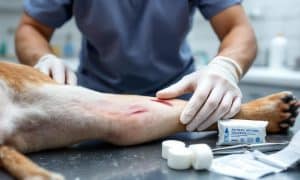
Create a first aid kit specifically for your dog. Include items like gauze, non-stick bandages, and hydrogen peroxide. Learn basic canine first aid techniques, as these dogs may have a higher pain tolerance due to their training.
Final Thoughts
Adopting a retired military dog changes lives for both the canine and the family. These brave animals deserve loving homes where they can enjoy their retirement years after dedicating their lives to serving our country. When you adopt a retired military dog, you welcome a hero into your family, gaining a companion with unique skills, loyalty, and a sense of purpose.
The adoption process requires patience and preparation, but the rewards are immeasurable. You provide these dogs with a chance at a peaceful retirement and the joys of being a beloved family pet. Your love and care help them transition from military roles to civilian life, offering the comfort and stability they deserve.
If you ask, “Can you adopt retired military dogs?” the answer is yes. We at DogingtonPost offer ongoing support through our articles, expert advice, and community forums to help you navigate the joys and challenges of caring for these special dogs. Adopting a retired military dog creates a bond that goes beyond the typical human-animal relationship, enriching your life with their companionship and unique experiences.