
“This post contains affiliate links, and I will be compensated if you make a purchase after clicking on my links.”
Spaying your dog is a significant step in responsible pet ownership. At DogingtonPost, we understand that the care after your dog is spayed is crucial for a smooth recovery.
This guide will walk you through essential post-surgery care, pain management techniques, and ways to prevent complications. By following these tips, you’ll help ensure your furry friend heals quickly and comfortably.
How to Create a Safe Recovery Space for Your Dog After Spaying
Choose the Perfect Spot
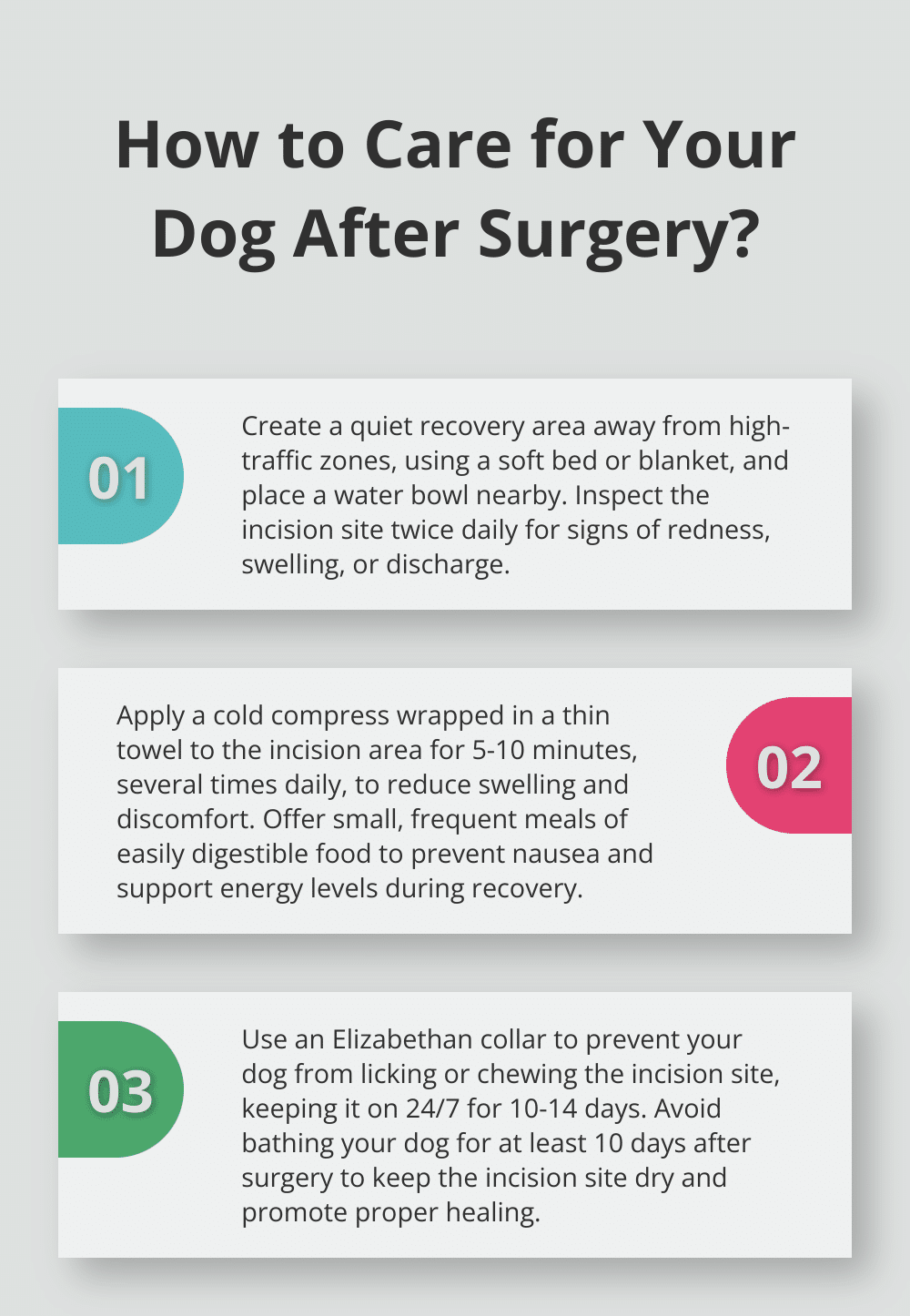
Select a warm, draft-free area in your home for your dog’s recovery. A spare room or a quiet corner of your living room works well. Place the recovery area away from high-traffic zones and other pets to reduce stress and prevent overexcitement.
Set Up the Recovery Area
Prepare a soft, washable bed or blanket for your dog. Your furry friend will spend significant time here, so prioritize comfort. Place a water bowl nearby, but keep food at a distance to prevent overfeeding. If your dog is crate-trained, consider using a crate for added security.
Monitor the Incision Site
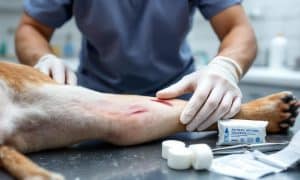
Inspect the surgical site twice daily. Look for signs of redness, swelling, or discharge. While a small amount of bruising is normal, excessive changes require veterinary attention. Prevent your dog from licking or chewing the area. Elizabethan collars (E-collar) are routinely recommended by veterinarians to prevent dogs from removing their sutures following surgery.
Limit Activity
Limit your pet’s movements during the 7 to 10 day recovery period, as strenuous activity, such as running, jumping or playing, could disrupt the healing process. Allow short, leashed potty breaks, but prohibit running, jumping, or playing. This rest period ensures proper healing. If you have stairs at home, carry your dog up and down to avoid strain on the incision.
Manage Medications
Follow your vet’s instructions for pain medications and antibiotics precisely. Set phone reminders to administer doses on time. Keep a medication log to avoid confusion (this helps track when you give each dose). Contact your veterinarian immediately if you notice any side effects.

Creating a safe, comfortable recovery space and following these guidelines will help your dog heal quickly after spaying surgery. Every dog’s recovery process differs, so consult your vet with any concerns. Now, let’s explore how to manage your dog’s pain and discomfort during the recovery period.
How to Manage Your Dog’s Pain After Spaying
Recognize Pain Signals
Dogs can’t verbalize their discomfort, so owners must watch for signs. Common pain indicators include:
- Reluctance to move or lie down
- Whimpering or crying (especially when touched)
- Appetite loss
- Excessive panting or rapid breathing
- Aggression or snapping when approached
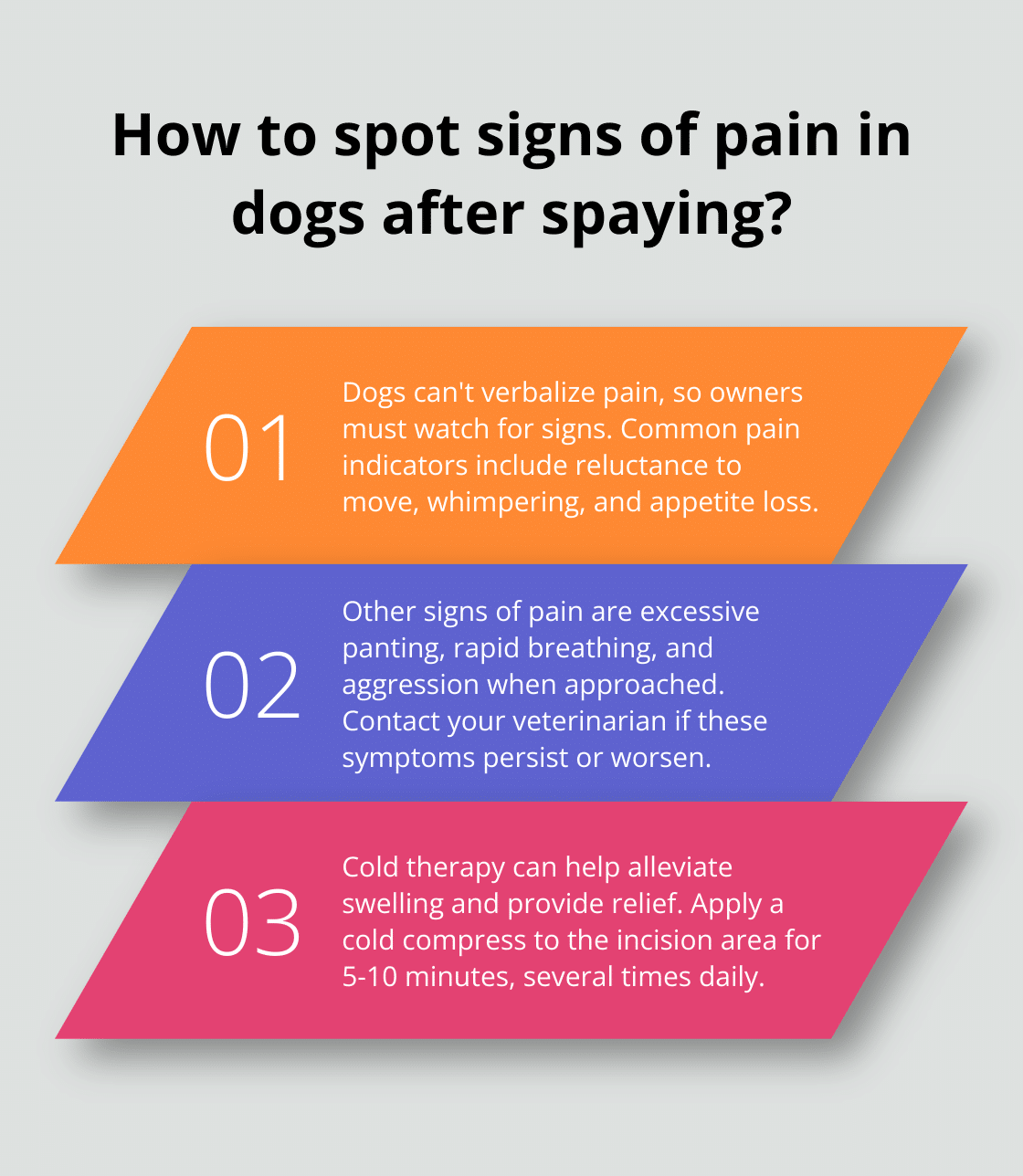
Contact your veterinarian if these symptoms persist or worsen.
Reduce Swelling and Discomfort
Cold therapy helps alleviate swelling and provides relief. Apply a cold compress (wrapped in a thin towel) to the incision area for 5-10 minutes, several times daily. Never place ice directly on your dog’s skin.
For internal comfort, offer small, frequent meals of easily digestible food. This strategy prevents nausea and supports your dog’s energy levels during recovery. Stick to their regular food unless your vet recommends otherwise.
Explore Natural Pain Relief Options
While your vet may prescribe pain medication, some natural methods can complement your dog’s recovery:
- Gentle massage (away from the incision site) to promote circulation
- Create a calm environment with soft music or white noise
- Use pet-safe aromatherapy, such as lavender (known for its calming properties)
Always consult your veterinarian before trying any new pain relief methods (even natural ones). They can advise on safe options tailored to your dog’s specific needs.
Monitor and Adjust
Every dog’s pain tolerance and recovery process differs. Stay attentive to your pet’s needs and don’t hesitate to seek professional advice if you’re unsure about their progress. Your vigilance ensures your dog receives the care they need during this critical time.
As we move forward, let’s explore how to prevent complications that could hinder your dog’s recovery after spaying surgery.
How to Prevent Post-Spay Complications
Use an E-Collar to Protect the Incision
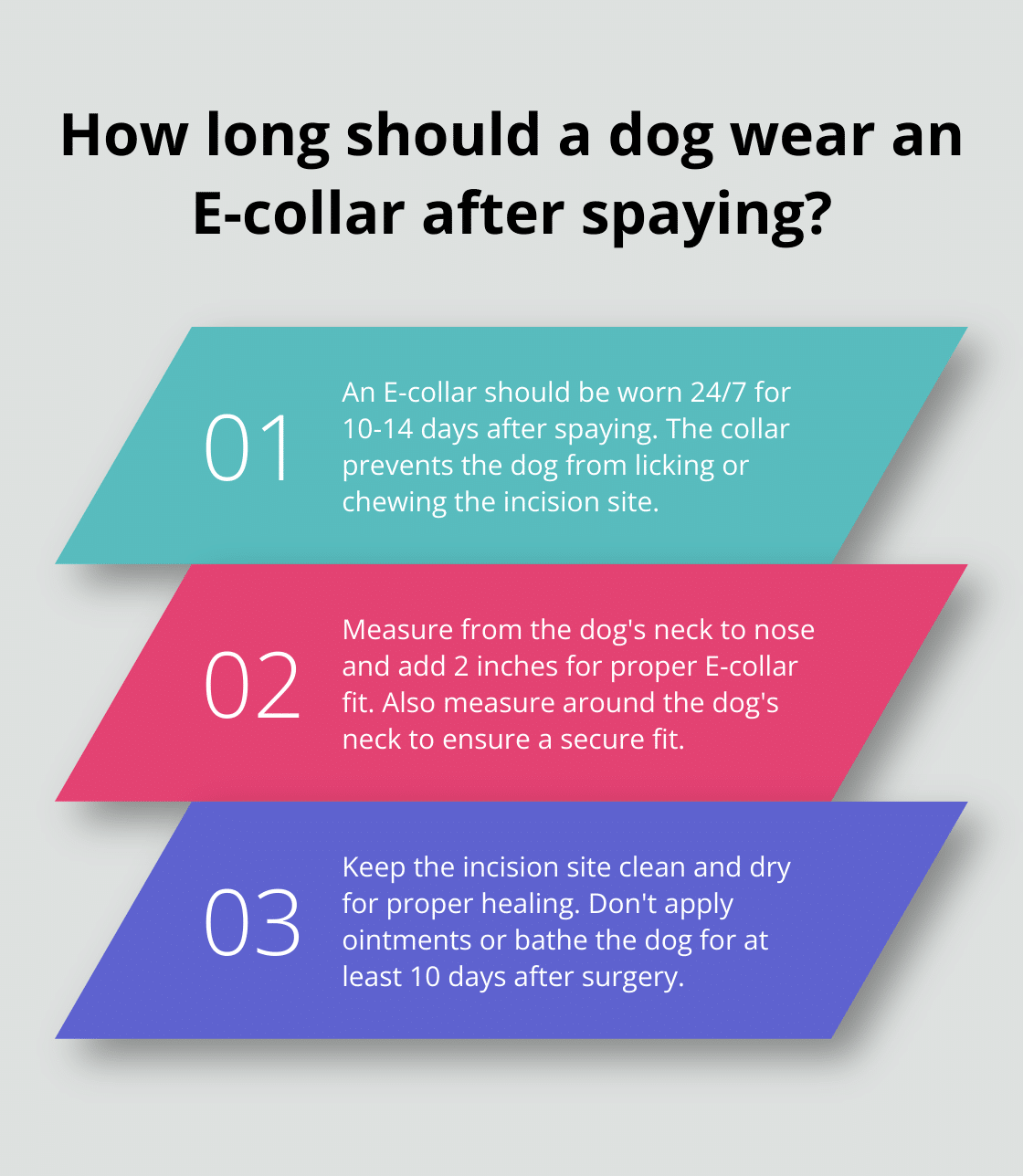
An Elizabethan collar (E-collar) prevents your dog from licking or chewing the incision site. This protection reduces the risk of infection or wound reopening. To get the right fit, measure the length from your dog’s neck to their nose and add approximately 2 inches. Also, measure around your dog’s neck to ensure the collar fits properly. Keep it on 24/7 for 10-14 days (or as long as your vet recommends).
Maintain a Clean and Dry Incision Site
A clean, dry incision site promotes proper healing. Don’t apply ointments, creams, or disinfectants unless your vet instructs you to do so. These products can interfere with healing. If the incision gets dirty, clean it gently with a soft, damp cloth and pat it dry. Never scrub the area.
Avoid Bathing Your Dog
Don’t bathe your dog for at least 10 days after surgery. Water can compromise the incision site and slow down healing. If your dog gets dirty, ask your vet about waterless shampoo options (these can be a safe alternative in some cases).
Attend Follow-Up Appointments
Post-operative check-ups allow your vet to monitor healing progress and identify potential issues early. If present, external sutures or staples likely require removal within 10-14 days (about 2 weeks) following surgery. Prepare questions and observations about your dog’s recovery for these appointments.
Monitor for Unusual Symptoms
Watch for signs of complications such as excessive swelling, discharge from the incision site, or prolonged lethargy. Contact your veterinarian immediately if you notice these symptoms. Your attentiveness during recovery supports your dog’s long-term health and well-being.
Final Thoughts
Proper care after your dog is spayed ensures a smooth recovery and long-term health benefits. You must create a safe recovery space, manage pain effectively, and prevent complications to set your furry friend up for success. Each dog’s healing process is unique, so you should stay attentive to your pet’s needs and contact your veterinarian with any concerns.
Spaying offers numerous advantages for your dog’s health, including reduced risks of certain cancers and elimination of heat cycles. It also contributes to controlling the pet population, a cause we at DogingtonPost support. Our comprehensive guide on responsible dog ownership provides more information on how spaying fits into overall canine care.
This guide offers general advice, but you should always consult your veterinarian for personalized recommendations. They know your dog’s specific needs and can provide tailored guidance for optimal post-surgery care (including care after your dog is spayed). With patience, attention, and proper care, your dog will recover quickly from spaying surgery.