

“This post contains affiliate links, and I will be compensated if you make a purchase after clicking on my links.”
Dog sitting can be a rewarding experience, but it comes with its share of challenges. At DogingtonPost, we understand that beginners may feel overwhelmed when taking on this responsibility.
Our comprehensive guide offers essential dog sitting tips for beginners, covering everything from preparation to daily care and handling unexpected situations. Whether you’re looking to earn extra income or help out a friend, mastering the art of dog sitting will ensure a positive experience for both you and your canine charge.
How to Prepare for Your First Dog Sitting Job
Meet the Dog and Owner
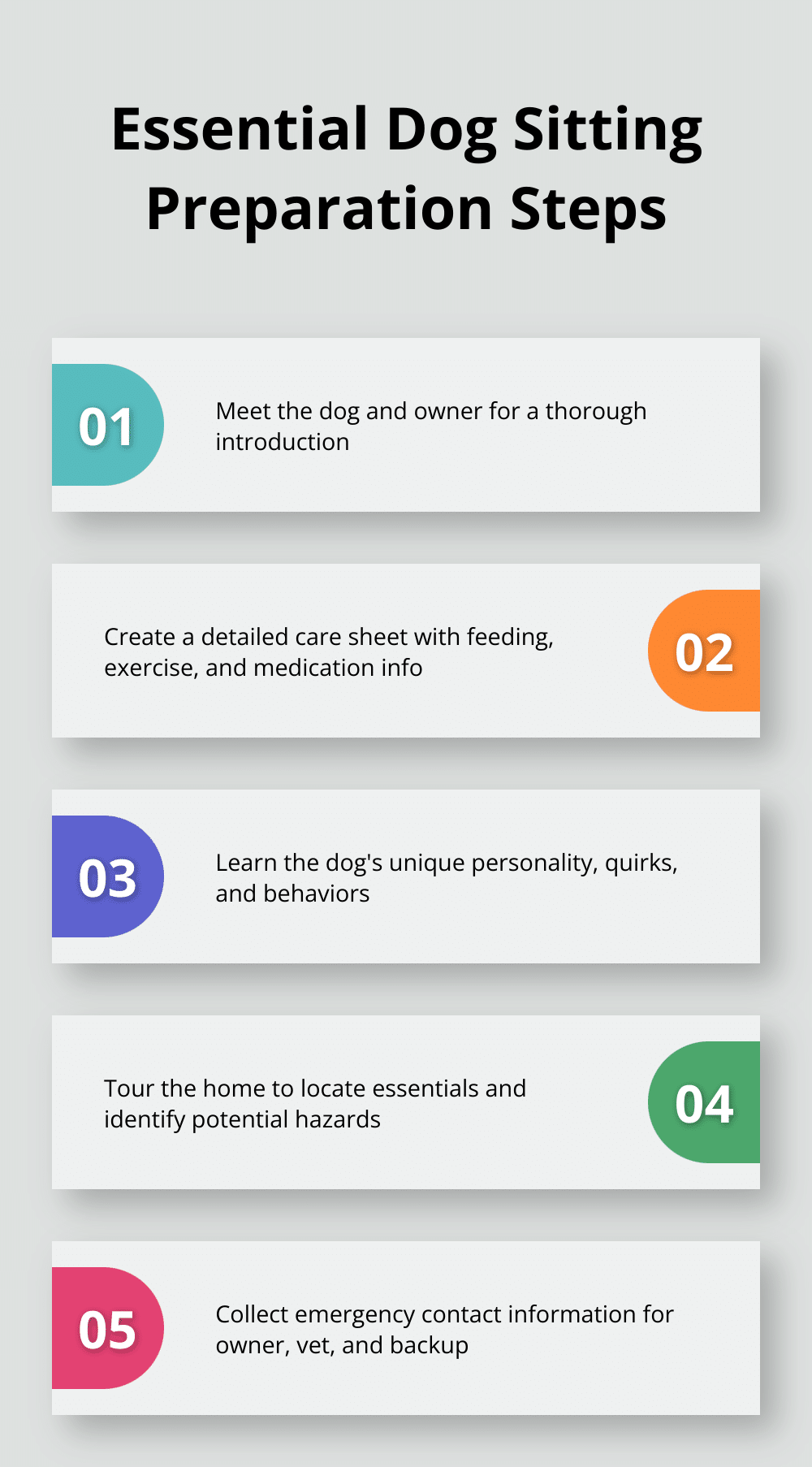
Start your dog sitting journey with a thorough meet-and-greet session. This initial meeting allows you to interact with the dog in their familiar environment and observe their behavior firsthand. It’s also an opportunity to discuss the dog’s routine, preferences, and any special needs with the owner.
Create a Detailed Care Sheet
During your meet-and-greet, compile a comprehensive care sheet. Include the dog’s feeding schedule, portion sizes, and any dietary restrictions. Note their exercise requirements, favorite activities, and any medications they might need. Don’t forget to ask about the dog’s bathroom habits and preferred walking routes. A trained pet care professional ensures that detailed care instructions are provided for a positive pet sitting experience.
Learn the Dog’s Personality
Each dog has a unique personality, so take time to understand their individual quirks and behaviors. Ask the owner about the dog’s energy level, how they interact with strangers, and if they have any fears or triggers. This information will help you tailor your approach and ensure a comfortable experience for the dog.
Tour the Home
Before the sitting begins, explore the home. Locate essential items like leashes, food, treats, and toys. Identify potential hazards or off-limits areas for the dog. Make sure you understand how to operate any necessary household equipment (such as the thermostat or security system).
Collect Emergency Information
Gather emergency contact information, including the owner’s phone number, the veterinarian’s details, and a trusted neighbor or family member. Have this information readily available (preferably in multiple locations) to ensure quick access in case of an unexpected situation.
With these preparations complete, you’ll be well-equipped to provide excellent care and ensure a positive dog sitting experience. The next step is to understand the daily care and responsibilities that come with dog sitting, which we’ll explore in the following chapter.
What Are the Daily Duties of a Dog Sitter?
Feeding and Dietary Care
A dog sitter must adhere to the feeding schedule provided by the owner. Dogs typically eat two to three times a day, but some may require more frequent meals. Accurate portion measurement prevents overfeeding. Extra caution is necessary for dogs with dietary restrictions or allergies. Fresh water should always be available.
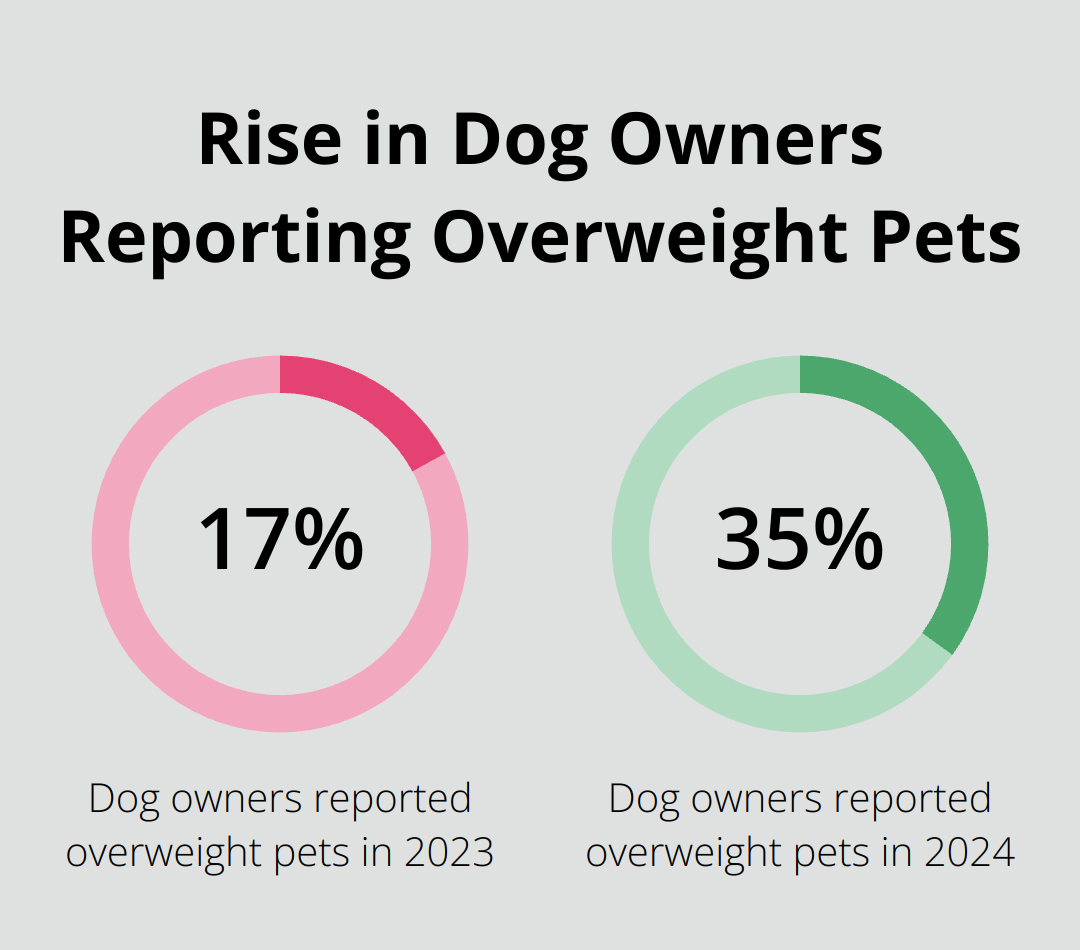
The Association for Pet Obesity Prevention reports that 35% of dog owners categorized their pets as overweight or having obesity in 2024, up from 17% in 2023. As a dog sitter, you contribute significantly to maintaining a healthy weight for the dog in your care.
Exercise and Walking Routines
Most dogs need one to two walks daily, with high-energy breeds often requiring more. The American Kennel Club suggests that the amount of exercise a dog needs varies depending on age, health, and breed. Keep the dog on a leash during walks, except in designated off-leash areas, and stay alert to your surroundings.
Monitor the dog’s behavior during walks. If they show signs of fatigue or discomfort, it’s time to return home. Avoid walking on hot pavement on warm days to protect their paw pads.
Mental Stimulation and Playtime
Dogs require mental stimulation to maintain happiness and prevent destructive behavior. Engage them with puzzle toys, training sessions, or games like hide-and-seek with treats. The ASPCA recommends rotating toys to maintain interest and prevent boredom.
For senior dogs or those with mobility issues, gentle play and mental exercises are important. Consider using snuffle mats or low-impact games that don’t strain their joints.
Each dog has unique preferences. Some may enjoy a game of fetch, while others prefer a quiet cuddle session. Observe the dog’s cues and adjust activities accordingly.
Grooming and Hygiene
Maintaining the dog’s hygiene is an essential part of daily care. This may include brushing their coat, cleaning their ears, or wiping their paws after walks. Regular grooming not only keeps the dog clean but also allows you to check for any unusual lumps, bumps, or skin issues.
Medication Administration
If the dog requires medication, follow the owner’s instructions precisely. Note the dosage, timing, and method of administration (e.g., with food, directly in the mouth). Keep a log of when medications are given to ensure consistency and avoid missed doses.
As we move forward, it’s important to address the challenges that may arise during dog sitting. The next chapter will explore common issues and provide strategies for handling unexpected situations effectively.
How to Handle Dog Sitting Challenges
Dog sitting isn’t always a walk in the park. Even the most well-behaved dogs can present unexpected challenges. This chapter explores common issues you might face and provides practical solutions to ensure a smooth dog sitting experience.
Addressing Separation Anxiety
Separation anxiety is a common issue among dogs left in unfamiliar care. Signs include excessive barking, destructive behavior, or attempts to escape. To mitigate this:
- Maintain the dog’s routine as closely as possible to provide a sense of normalcy.
- Leave an item of clothing with the owner’s scent to comfort the dog.
- Use puzzle toys or long-lasting treats to keep the dog occupied when you need to leave.
- Increase the duration of your absences gradually, starting with just a few minutes.
The most successful treatment for canine separation-related problems may be behavior modification that focuses on systematic desensitization and counterconditioning.
Responding to Medical Emergencies
Quick action in a medical emergency can save a dog’s life. Here’s what to do:
- Keep the emergency vet’s number readily available.
- Learn to recognize signs of common emergencies (like bloat, heatstroke, or poisoning).
- Know basic canine CPR and first aid techniques.
- Prepare a pet first aid kit with essentials (such as gauze, antiseptic wipes, and a pet thermometer).
Vomiting and diarrhea are routinely among the top 10 reasons that pets are brought to the veterinarian for emergency evaluation and treatment.

Managing Unexpected Behavior
Even well-trained dogs can exhibit unexpected behaviors in new situations. Here’s how to handle them:
- For sudden aggression, remove the dog from the triggering situation calmly and safely.
- If the dog refuses to eat, try hand-feeding or warming the food slightly to increase its appeal.
- For excessive barking, identify and remove the cause if possible. Use positive reinforcement to encourage quiet behavior.
- If the dog has an accident indoors, clean it thoroughly with an enzymatic cleaner to prevent repeat incidents.
Consistency is key. Stick to the owner’s established rules and training methods to avoid confusion.
Handling Escape Attempts
Some dogs may try to escape, especially in unfamiliar environments. To prevent this:
- Secure all doors and windows before letting the dog roam freely.
- Use a secure harness and leash during walks.
- Never leave the dog unattended in a yard, even if it’s fenced.
- If the dog does escape, remain calm and use their favorite treats or toys to lure them back.
Dealing with Destructive Behavior
Destructive behavior often stems from boredom or anxiety. To address this:
- Provide plenty of mental stimulation through puzzle toys and games.
- Increase exercise to tire the dog out physically.
- Use deterrent sprays on items the dog tends to chew.
- Redirect the dog’s attention to appropriate toys when they start to chew on forbidden items.
Dog sitting challenges can be daunting, but with the right preparation and approach, you can handle them effectively. Always prioritize the dog’s safety and well-being, and don’t hesitate to contact the owner or a professional if you’re unsure about how to handle a situation.
Final Thoughts
Dog sitting requires dedication, preparation, and a genuine love for canine companions. Successful dog sitters understand each dog’s unique personality, maintain their routine, and prepare for unexpected challenges. Open communication with dog owners ensures the best care for their pets and helps build trust for future opportunities.
New dog sitters should view every experience as a learning opportunity. Patience, observation, and prioritizing the dog’s well-being will lead to success in this role. We at DogingtonPost offer dog sitting tips for beginners to provide a valuable foundation for your dog sitting career.
DogingtonPost supports dog lovers in all aspects of canine care. Our platform offers resources from the latest dog-related news to expert advice on health and nutrition. Each dog you care for is unique, and the bonds you form can be incredibly fulfilling. With the right approach and knowledge, you’ll become a trusted and sought-after dog sitter.